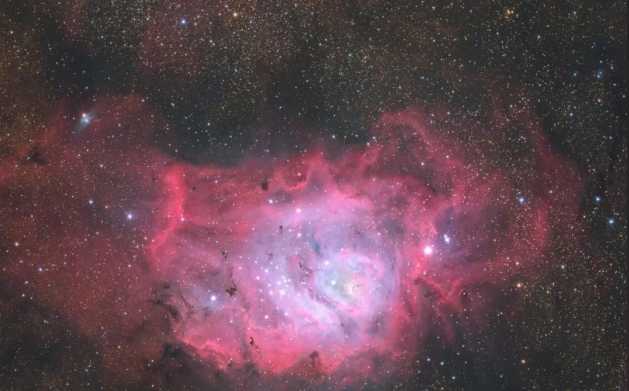
M8, the Lagoon Nebula: A Cosmic Cradle of Star FormationM8, the Lagoon Nebula: A Cosmic Cradle of Star Formation
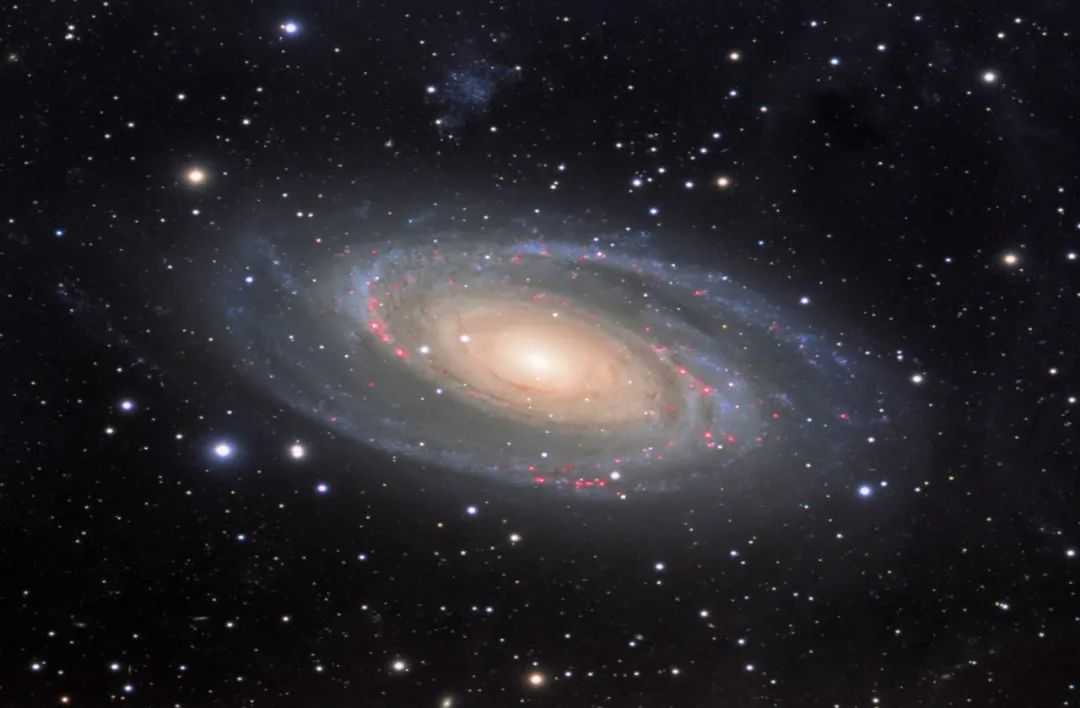
Galaxies Near the Big Dipper: A Cosmic Showcase in Ursa MajorGalaxies Near the Big Dipper: A Cosmic Showcase in Ursa Major
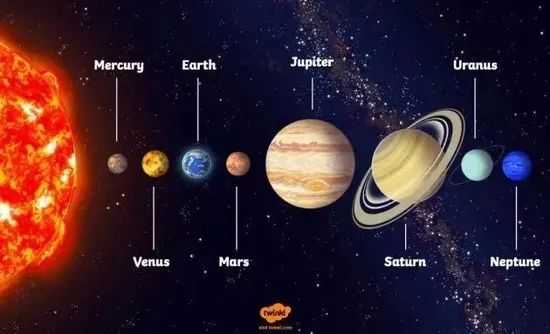
The Solar System's Planetary Trio: Terrestrial, Gas, and Ice GiantsThe Solar System's Planetary Trio: Terrestrial, Gas, and Ice Giants
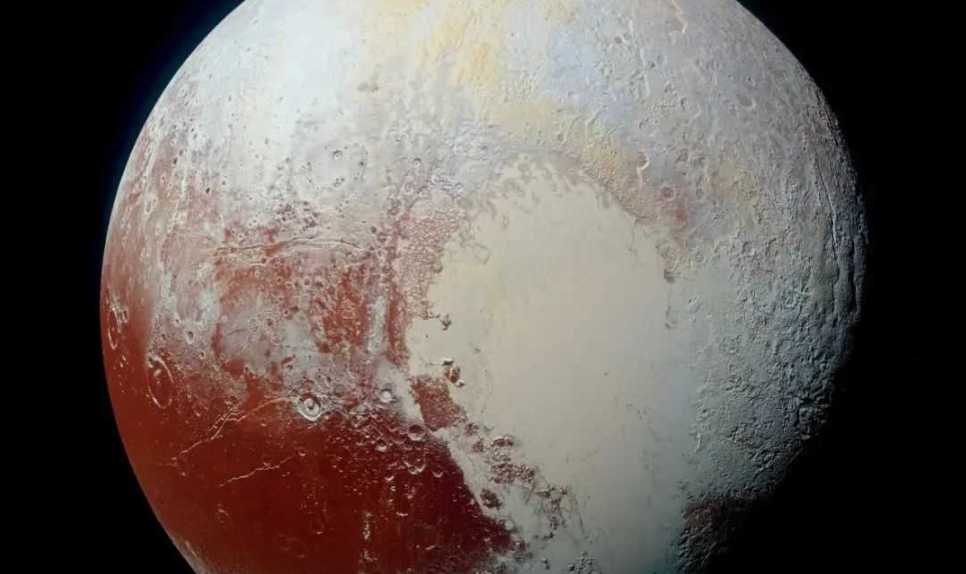
New Horizons' Near-Infrared Image Unveils Pluto's Diverse SurfaceNew Horizons' Near-Infrared Image Unveils Pluto's Diverse Surface
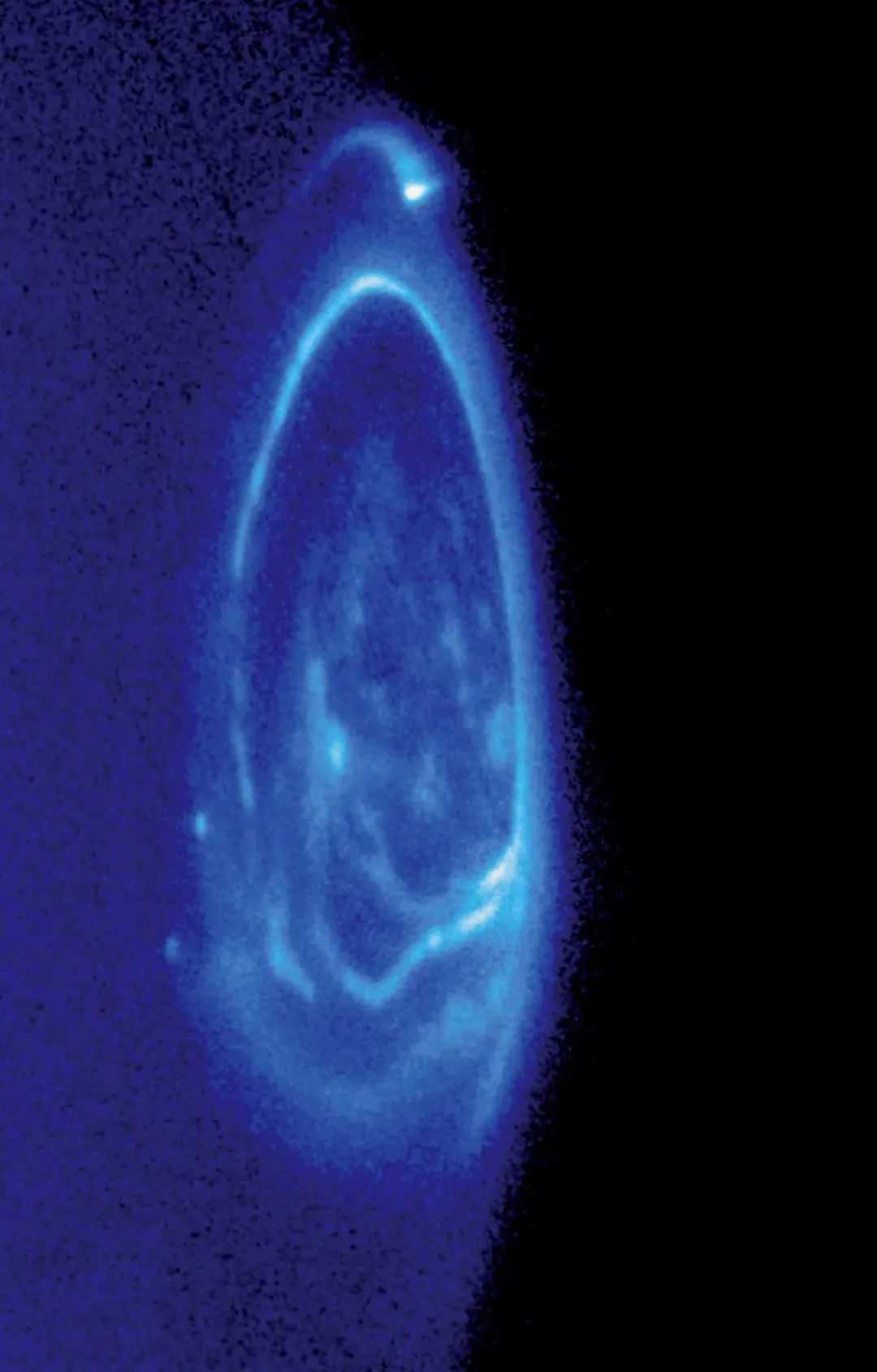
Jupiter's Auroras: Ultraviolet Rings Illuminating the Gas Giant's PolesJupiter's Auroras: Ultraviolet Rings Illuminating the Gas Giant's PolesA stunning image captures Jupiter’s auroras—dazzling ultraviolet (UV) rings encircling the planet’s north pole—revealing the dynamic interplay between its powerful magnetic field and its retinue of moons. These celestial light shows, invisible to the naked eye but vivid in UV wavelengths, offer a window into the extreme physics governing the solar system’s largest planet.
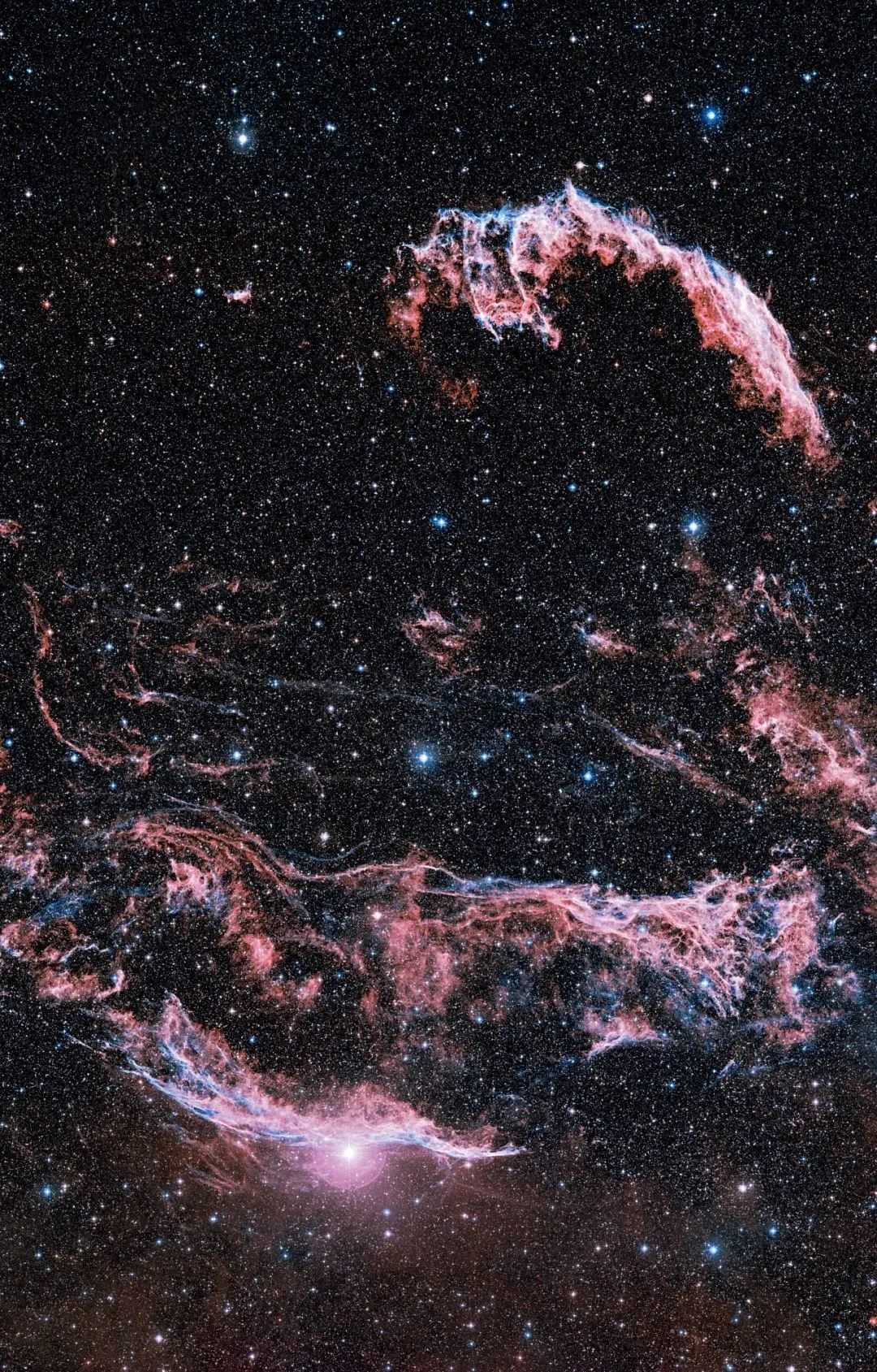
The Veil Nebula in Cygnus: A Stellar Remnant of Cosmic ExplosionsThe Veil Nebula in Cygnus: A Stellar Remnant of Cosmic ExplosionsThe Veil Nebula, a captivating celestial spectacle in the constellation Cygnus, stands as a testament to the violent death of a massive star. This expansive supernova remnant, formed when a star exhausted its nuclear fuel and exploded in a catastrophic event, showcases the raw power of stellar evolution and the beauty of cosmic recycling.
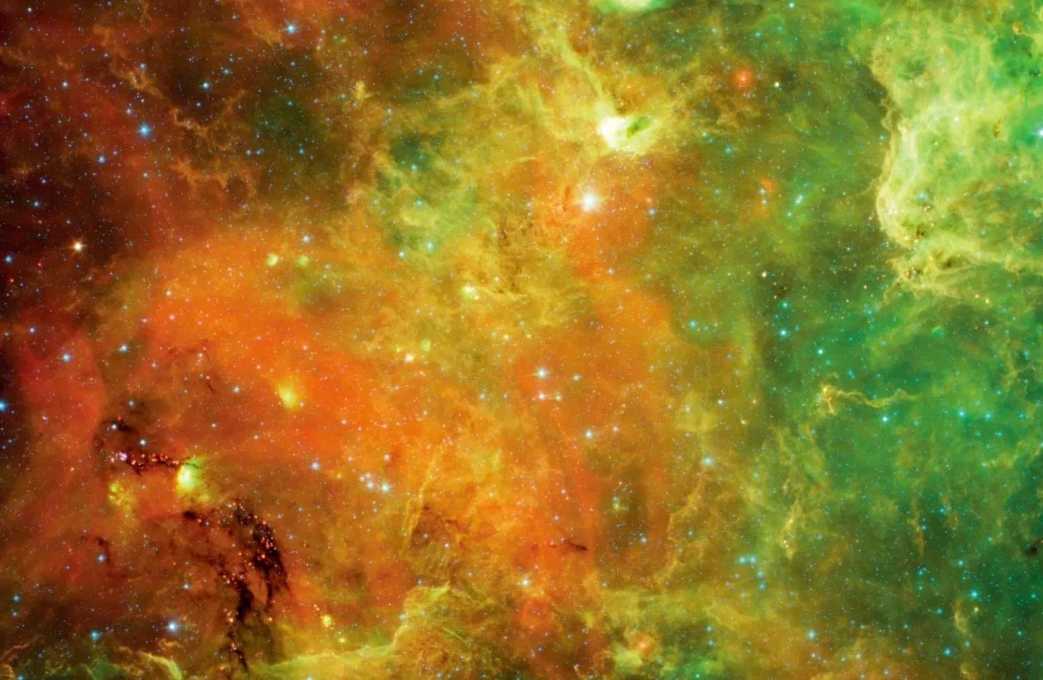
Spitzer’s Infrared View Unveils the Hidden Depths of the North America Nebula (NGC 7000)Spitzer’s Infrared View Unveils the Hidden Depths of the North America Nebula (NGC 7000)A striking image from NASA’s Spitzer Space Telescope captures the North America Nebula (NGC 7000) in infrared light, revealing a cosmic landscape brimming with massive gas clouds and hidden stellar nurseries. Unlike visible-light views, which often show only the nebula’s glowing outer edges, Spitzer’s infrared detectors penetrate the dense dust, exposing the complex interplay of gas, dust, and young stars within this vast stellar nursery.
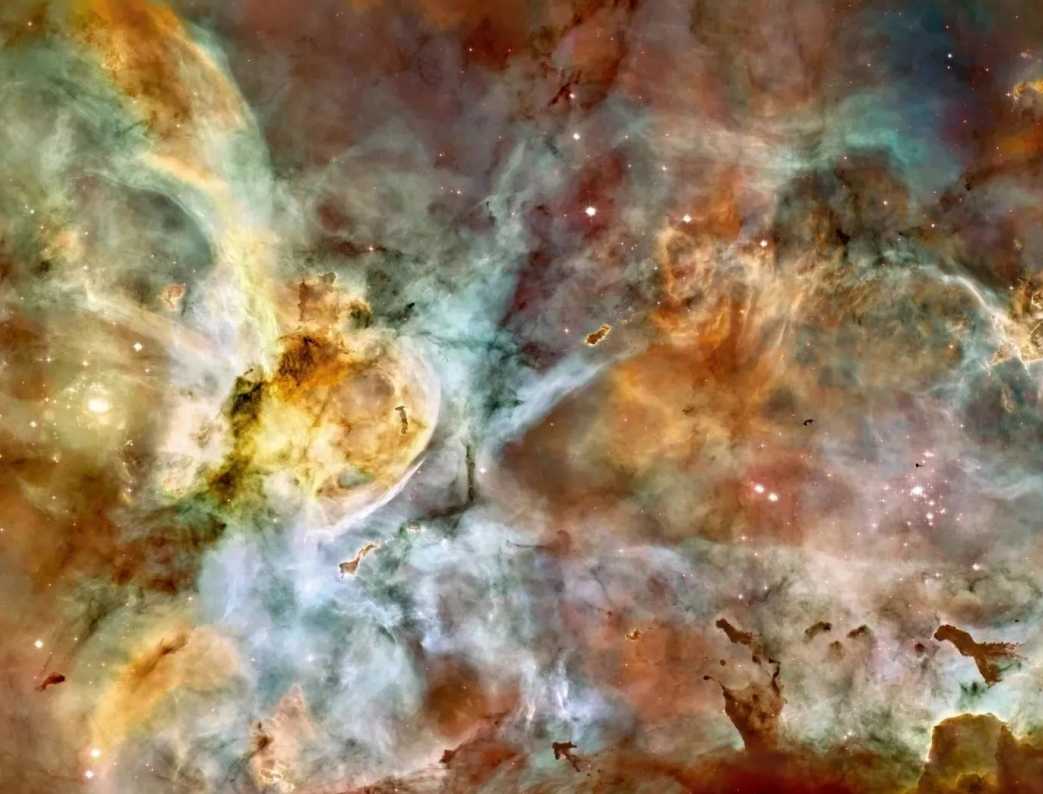
The Carina Nebula: A Massive Stellar Nursery in the Southern SkyThe Carina Nebula: A Massive Stellar Nursery in the Southern SkyLocated between 6,500 and 10,000 light-years from the Solar System, the Carina Nebula is a breathtaking region of cosmic activity visible exclusively from the Southern Hemisphere. Renowned as one of the Milky Way’s most dynamic star-forming regions, it serves as a cradle for some of the galaxy’s most massive and luminous stars, offering the public an opportunity to explore the extreme processes that shape stellar evolution.
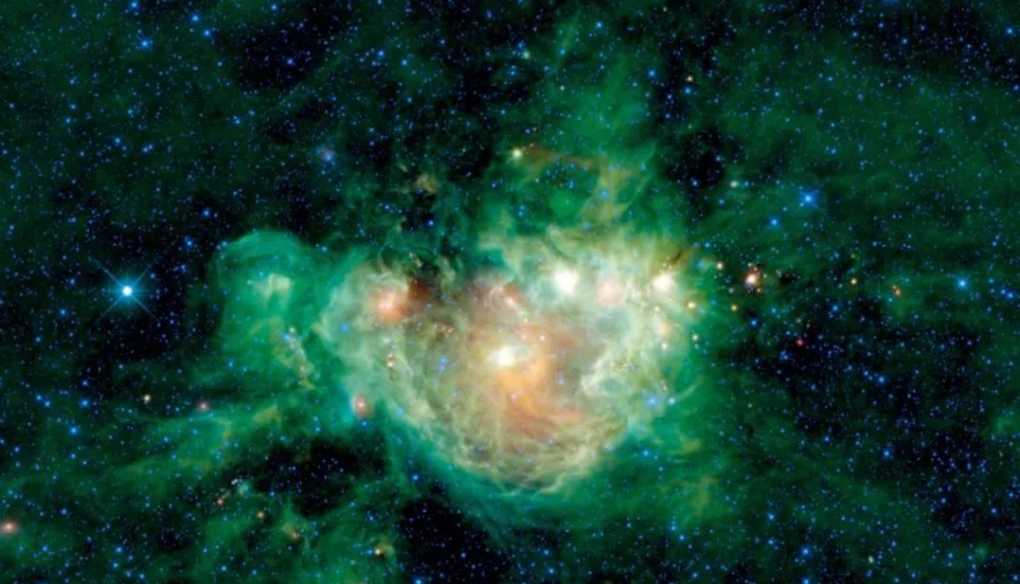
NGC 2174: A Luminous Nursery Where Young Stars Ignite the CosmosNGC 2174: A Luminous Nursery Where Young Stars Ignite the CosmosNGC 2174, a captivating nebula nestled within the constellation Orion, stands as a vibrant testament to the dynamic processes of star birth. In this cosmic cradle, newly formed stars radiate intense energy, heating and ionizing the surrounding gas to create a dazzling display of light and color, offering a unique glimpse into the early stages of stellar evolution.
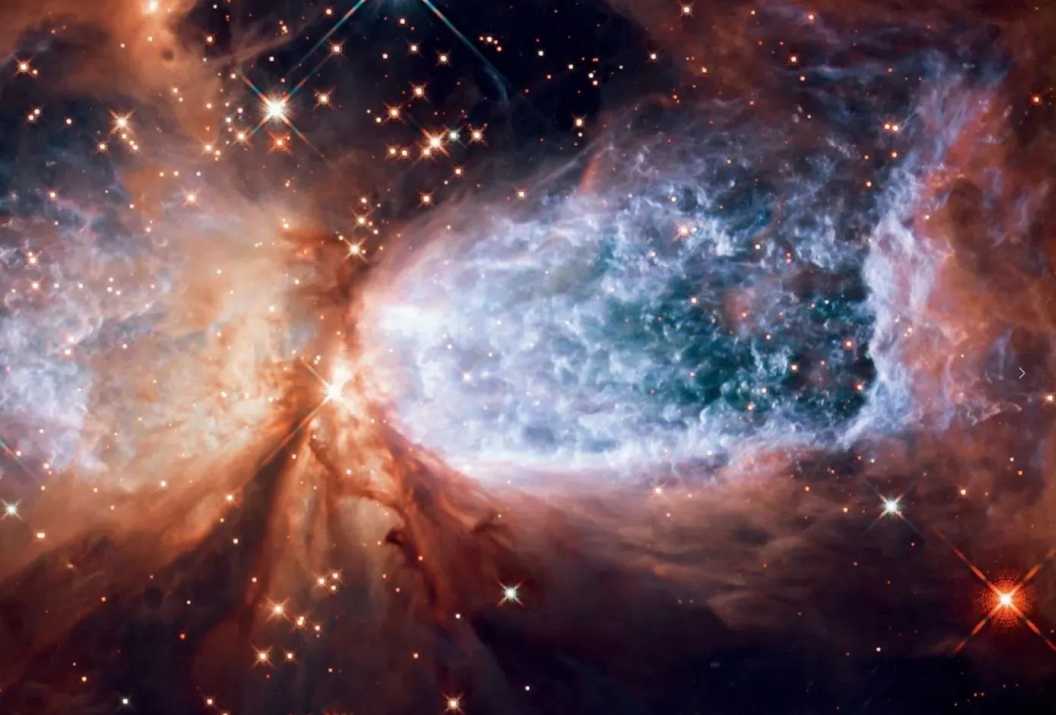
The Cosmic Snow Angel: Hubble Captures S106 IR's Star - Forming RegionThe Cosmic Snow Angel: Hubble Captures S106 IR's Star - Forming RegionIn the vast expanse of the constellation Cygnus, about 2000 light - years from Earth, lies a remarkable star - forming region centered around the young star S106 IR. The powerful radiation emitted by this star has enabled the Hubble Space Telescope to capture an image of the surrounding gas and dust, which strikingly resembles a celestial snow angel, a sight that has captivated astronomers and space enthusiasts alike.
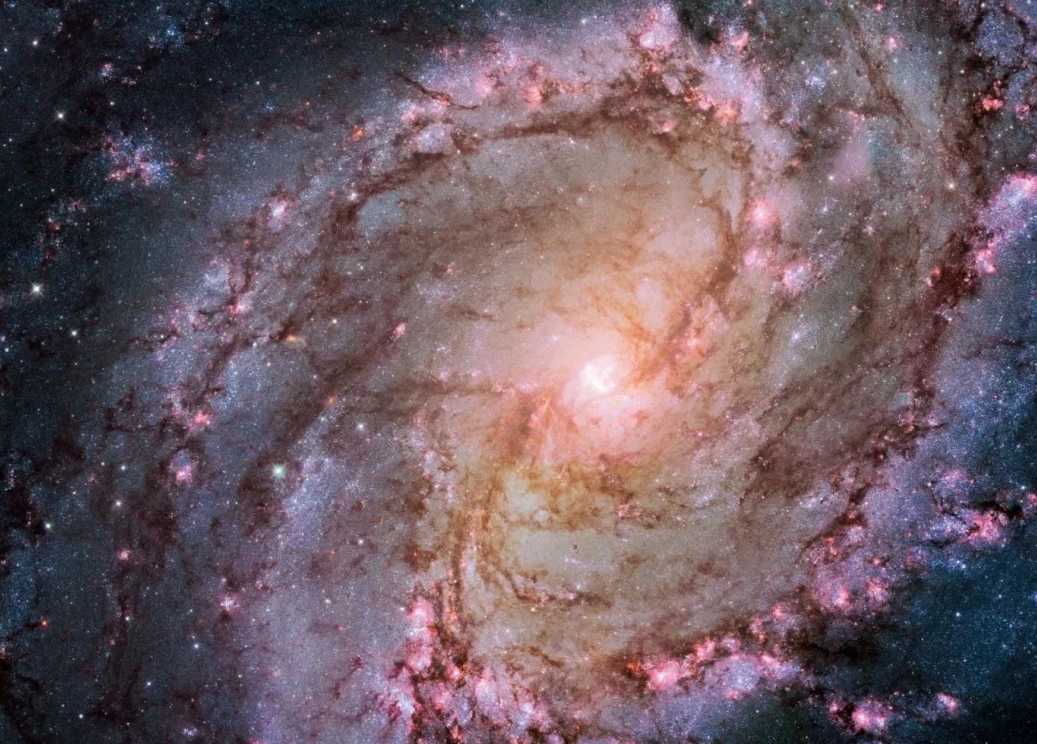
M83, the Southern Pinwheel Galaxy: A Stellar Beauty in Hydra's VicinityM83, the Southern Pinwheel Galaxy: A Stellar Beauty in Hydra's VicinityNestled near the constellation Hydra, the barred spiral galaxy M83 shines as a captivating cosmic spectacle, earning its nickname the "Southern Pinwheel" from its striking spiral arms. Located approximately 15 million light-years from Earth, this galaxy showcases the dynamic interplay of star formation, gravity, and interstellar matter, offering astronomers and stargazers a vivid window into the universe’s grand design.
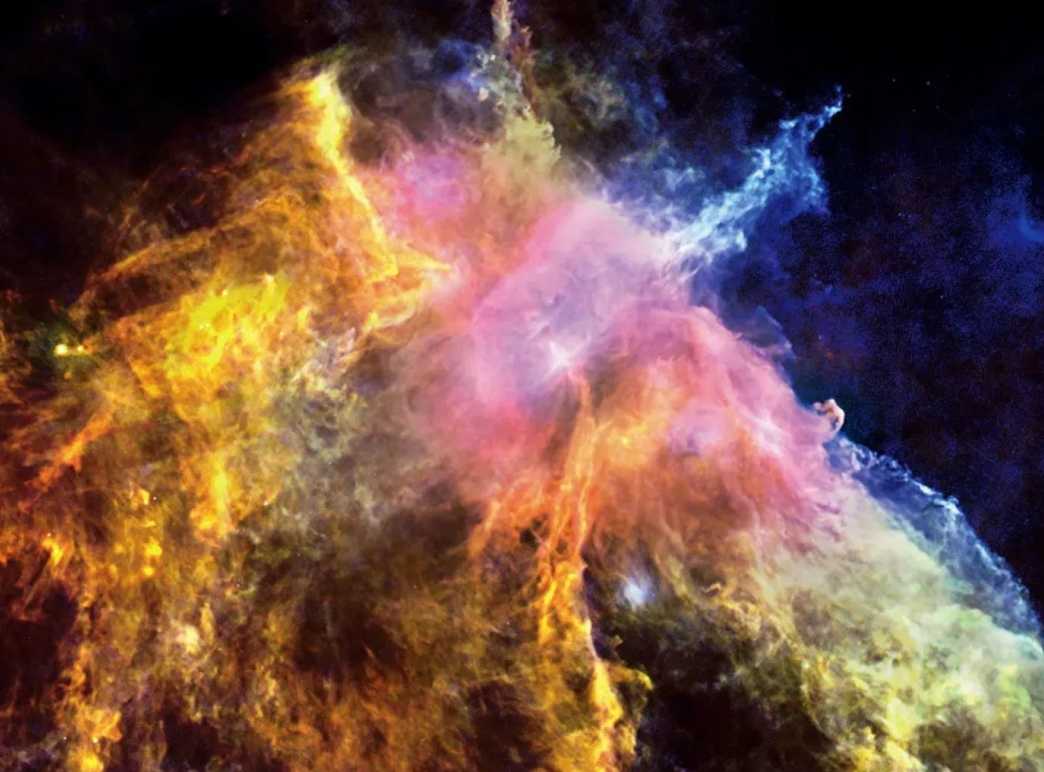
Young Stars in Orion B Molecular Cloud Heat Up the Surrounding DustYoung Stars in Orion B Molecular Cloud Heat Up the Surrounding DustDeep within the vast expanse of our Milky Way galaxy, a cosmic drama unfolds in the Orion B molecular cloud. Located between 1000 and 1400 light - years from our Solar System, this region is a bustling nursery for new stars. Here, young, energetic stars are hard at work, heating the surrounding dust and creating a mesmerizing display of cosmic activity.
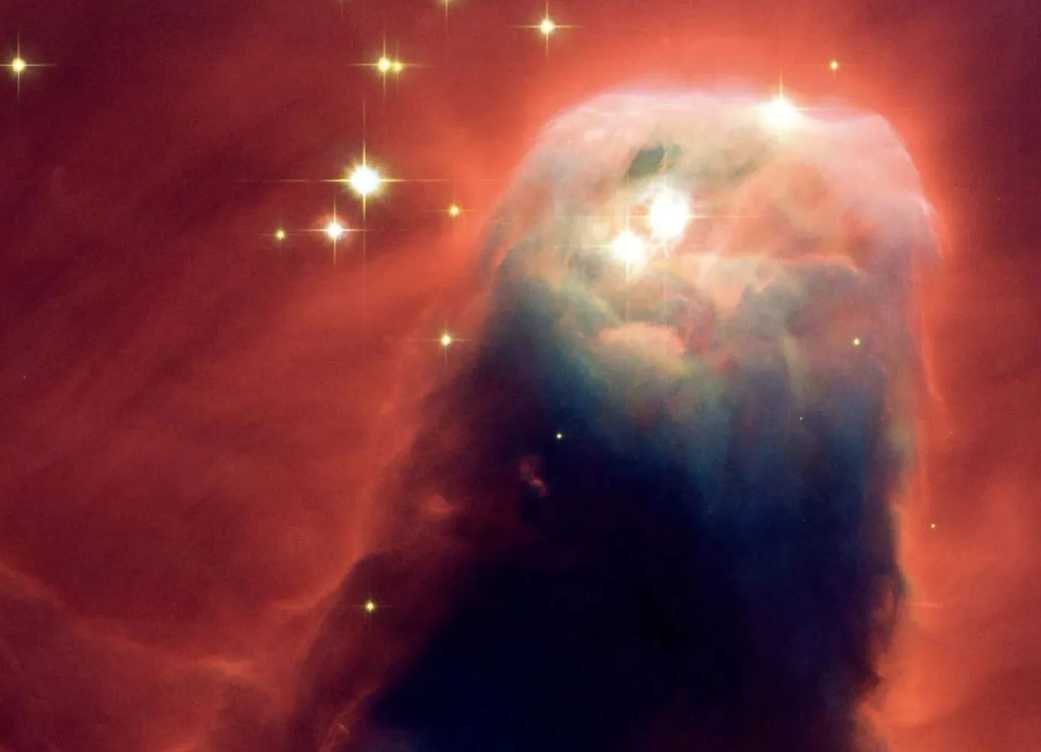
The Cone Nebula within NGC 2264 in Monoceros: A Cosmic SculptureThe Cone Nebula within NGC 2264 in Monoceros: A Cosmic SculptureNestled in the constellation Monoceros, the Cone Nebula, part of the NGC 2264 complex, is a captivating sight. Located around 2,500 light - years from the Solar System, this nebula is a testament to the dynamic processes of star formation, with its unique shape and the energetic interplay between young stars and surrounding matter.
The Sun: The Life - Giving Star at the Heart of Our Solar SystemThe Sun: The Life - Giving Star at the Heart of Our Solar SystemThe Sun, a colossal ball of glowing plasma, reigns supreme at the center of our solar system. This G - type main - sequence star, often informally called a yellow dwarf, is the most dominant object in our cosmic neighborhood. Its influence extends far and wide, making life on Earth possible and governing the motions of planets, asteroids, and comets.
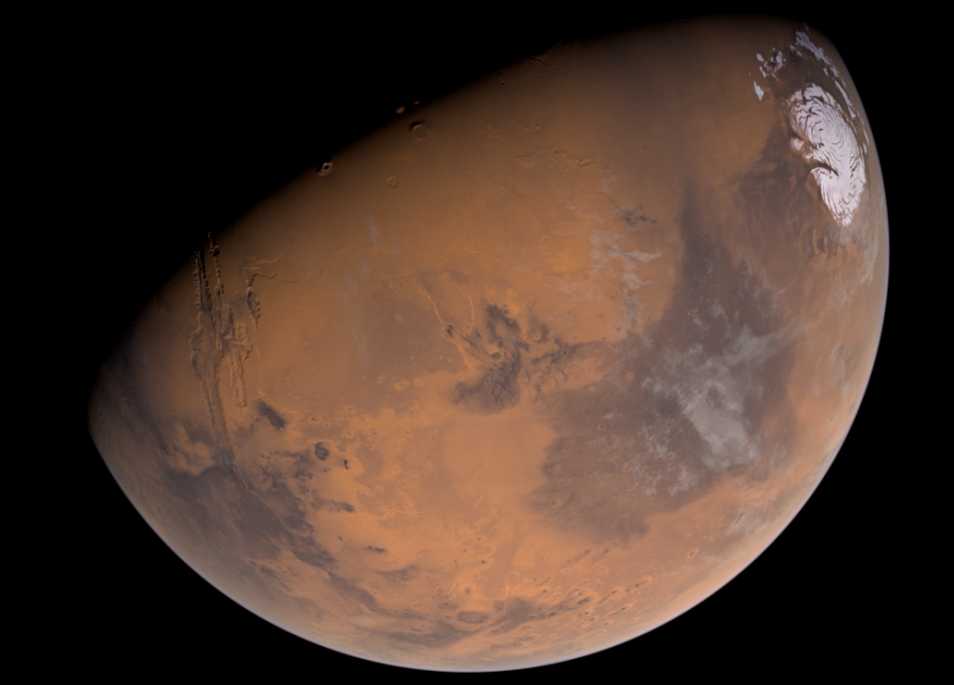
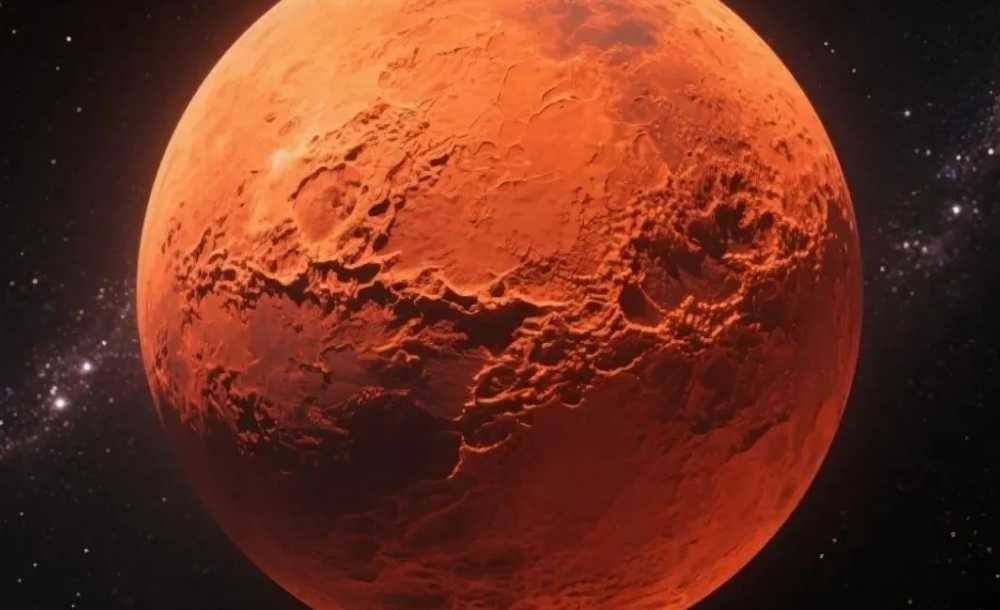
Mars: The Mysterious Red Planet Beckons ExplorationMars: The Mysterious Red Planet Beckons ExplorationMars, the fourth planet from the Sun, has long fascinated humanity with its rust - colored allure. Nicknamed the "Red Planet," it stands out in the night sky as a distinct, reddish - orange dot, sparking curiosity about what lies on its surface and within its atmosphere. This celestial body, smaller than Earth but teeming with secrets, has become a focal point for space exploration.
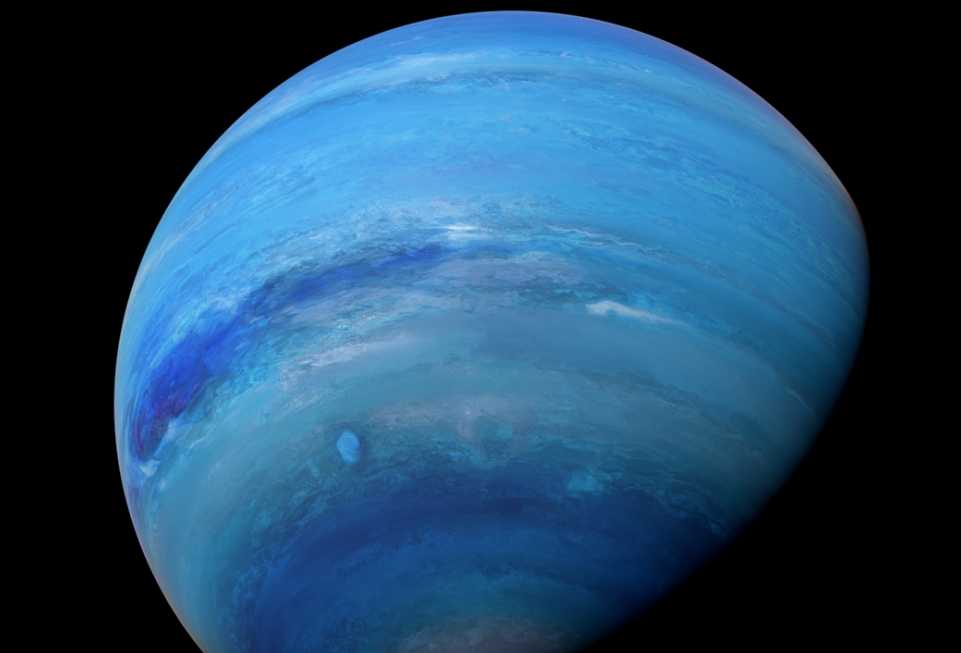
Neptune: The Mysterious Ice Giant on the Solar System's FringeNeptune: The Mysterious Ice Giant on the Solar System's FringeNeptune, the eighth and most distant planet from the Sun in our solar system, remains a captivating enigma. Hidden from the naked eye, this ice giant reveals a world of extremes, with its unique features and dynamic atmosphere offering a glimpse into the far - reaches of our cosmic neighborhood.
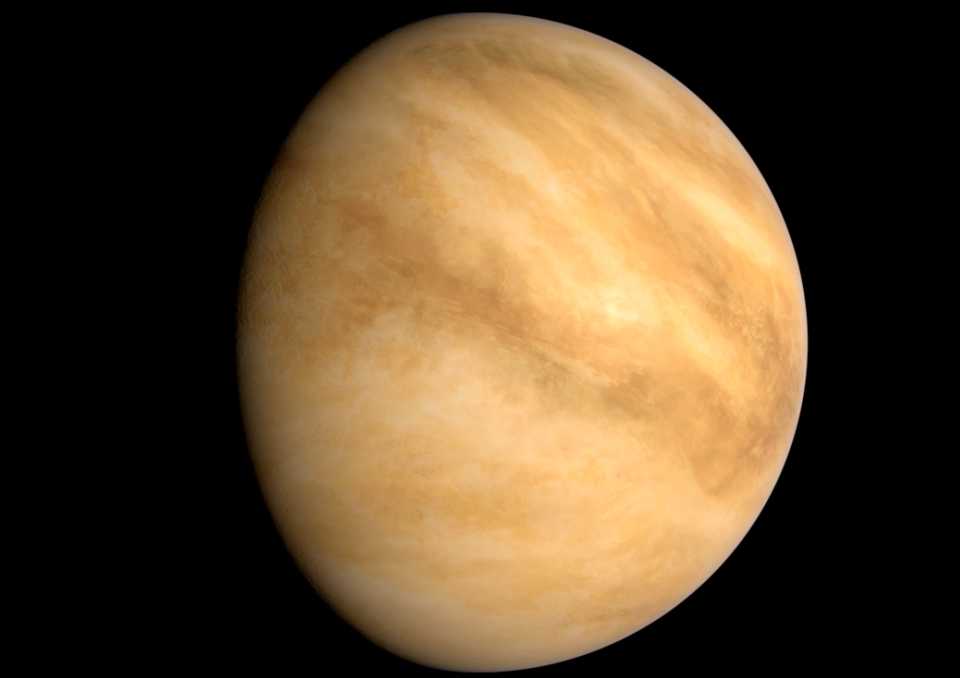
Venus: Earth's Mysterious NeighborVenus: Earth's Mysterious NeighborVenus, often called Earth's "sister planet" due to its similar size and mass, is a world of extremes and mysteries. This second planet from the Sun has intrigued scientists and sky - watchers alike, offering a unique perspective on planetary evolution and the conditions that can shape a world.
Venus: Earth's Alike Yet Temperamental NeighborVenus: Earth's Alike Yet Temperamental NeighborVenus, often dubbed Earth's "sister planet" due to their similar sizes and masses, harbors a strikingly different and rather menacing nature. This second planet from the Sun presents a world of extreme conditions, making it a captivating subject of study for astronomers and a cautionary example of what could happen to a planet's climate.
Earth: The Solar System's Exclusive VIP AbodeEarth: The Solar System's Exclusive VIP AbodeIn the vast expanse of the solar system, Earth stands out as a true VIP, the only known planet to harbor life. This unique celestial body, with its life - sustaining elements, occupies a special place in our cosmic neighborhood, captivating the attention of scientists and dreamers alike.
Mars: The Red Planet’s Mysteries and ExtremesMars: The Red Planet’s Mysteries and ExtremesMars, the fourth planet from the Sun, captivates with its rust-red hue and intriguing past, inviting humanity to unravel its secrets. Known as the "Red Planet," it stands out in the solar system for its dramatic landscapes, massive dust storms, and the tantalizing possibility that it once harbored life.