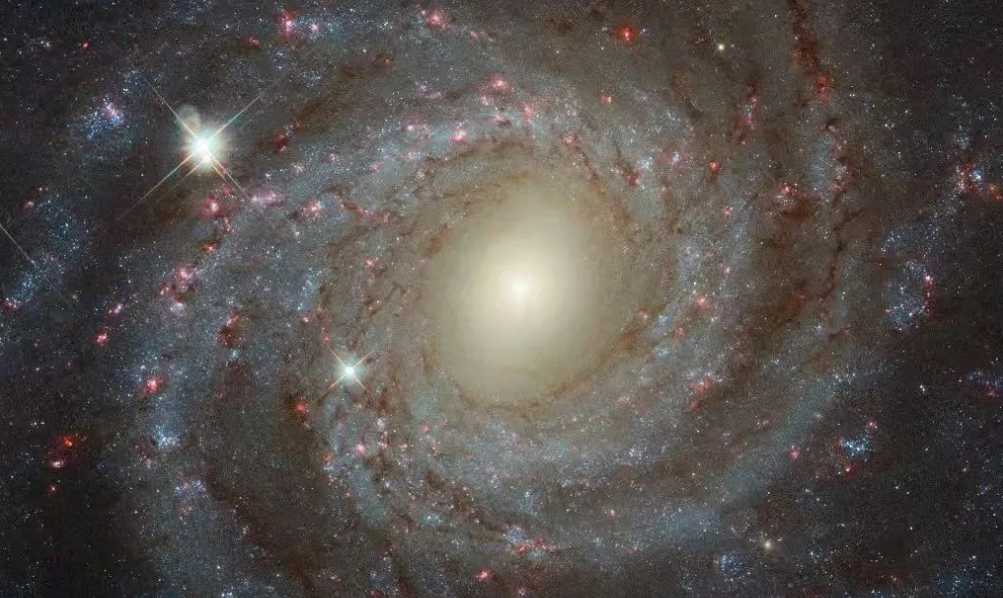
NGC 3344: A Face-On Spiral Galaxy Unveiled in Hubble’s Multispectral GlowNGC 3344: A Face-On Spiral Galaxy Unveiled in Hubble’s Multispectral Glow
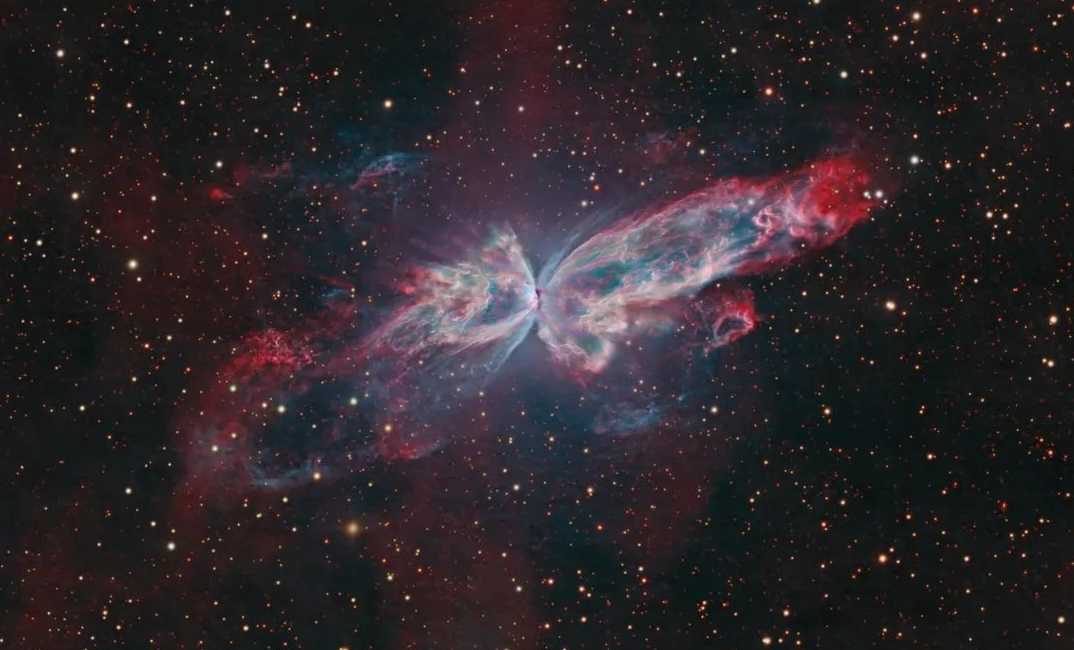
The Butterfly Nebula (NGC 6302): A Fiery Cosmic Chrysalis in ScorpiusThe Butterfly Nebula (NGC 6302): A Fiery Cosmic Chrysalis in Scorpius
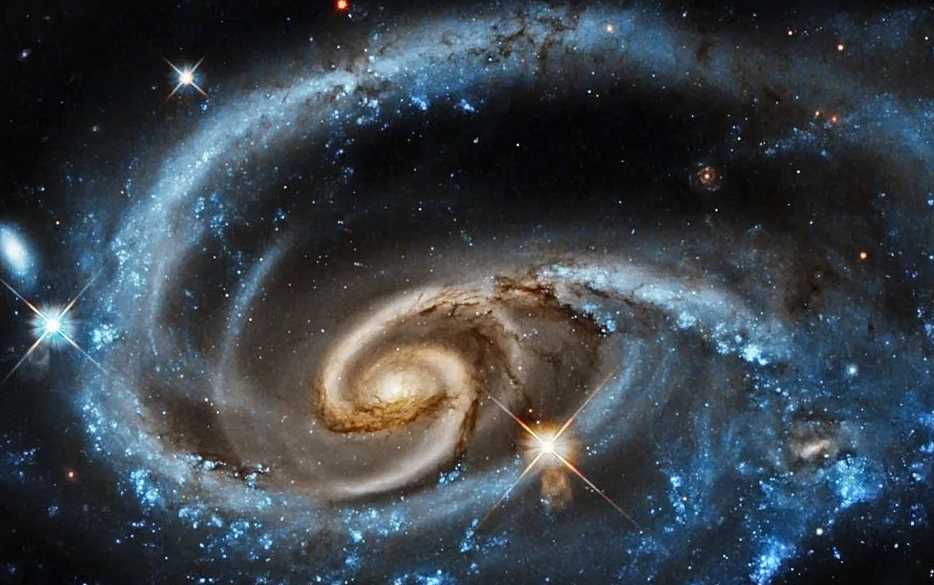
Arp 273: A Cosmic Love Story of Colliding Galaxies in AndromedaArp 273: A Cosmic Love Story of Colliding Galaxies in Andromeda
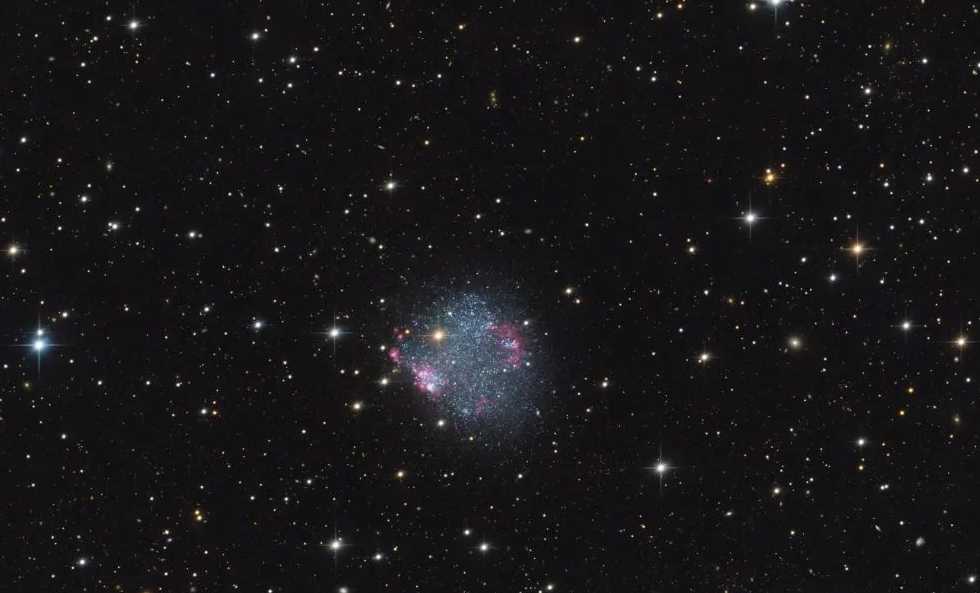
Sextans A: The Cosmic Underdog Where Stars Bloom in Ambery ClustersSextans A: The Cosmic Underdog Where Stars Bloom in Ambery Clusters
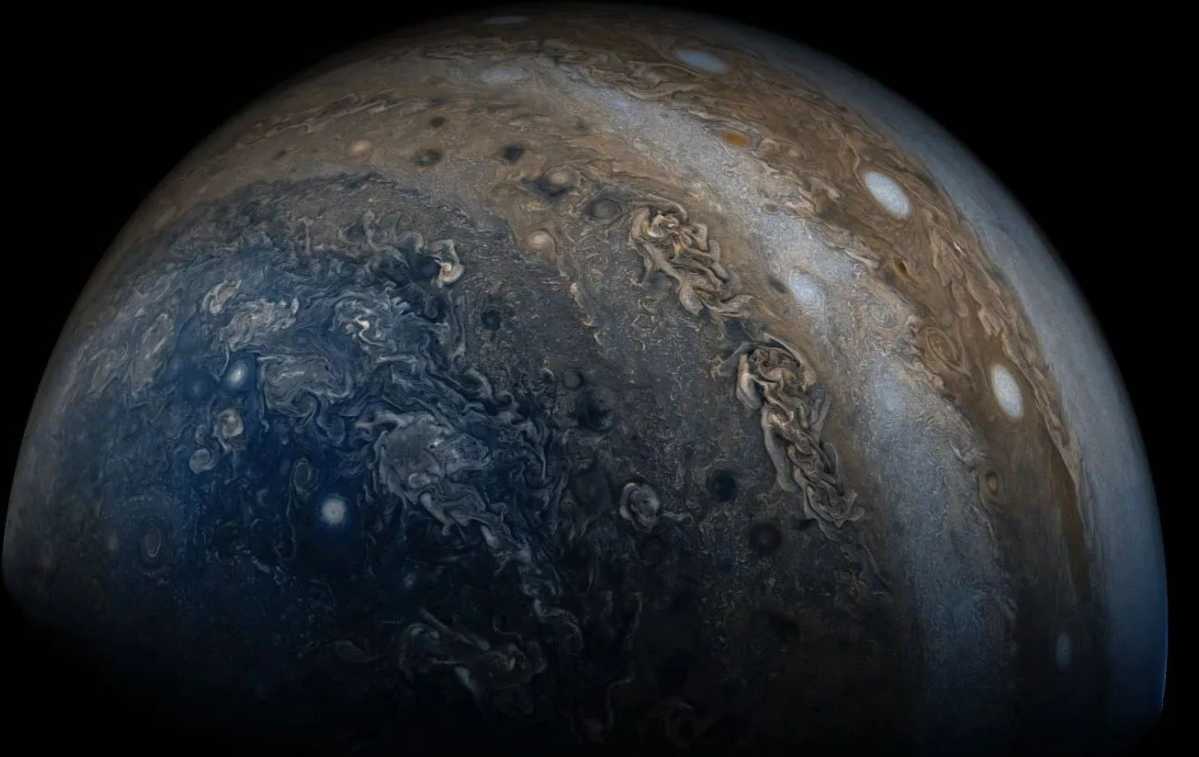
Jupiter’s Cosmic Wonders Unveiled by Juno: From Swirling Clouds to a Mysterious CoreJupiter’s Cosmic Wonders Unveiled by Juno: From Swirling Clouds to a Mysterious CoreNASA’s Juno spacecraft, on its highly elliptical orbit around Jupiter, has completed over 70 close flybys, revealing the gas giant’s secrets. A 2017 image captured from below Jupiter’s equator shows horizontal cloud bands transforming into spectacular swirling vortices and intricate patterns, with a "string of pearls" array of white oval cloud formations near the equator. These views challenge all prior conceptions of Jupiter’s atmospheric dynamics.
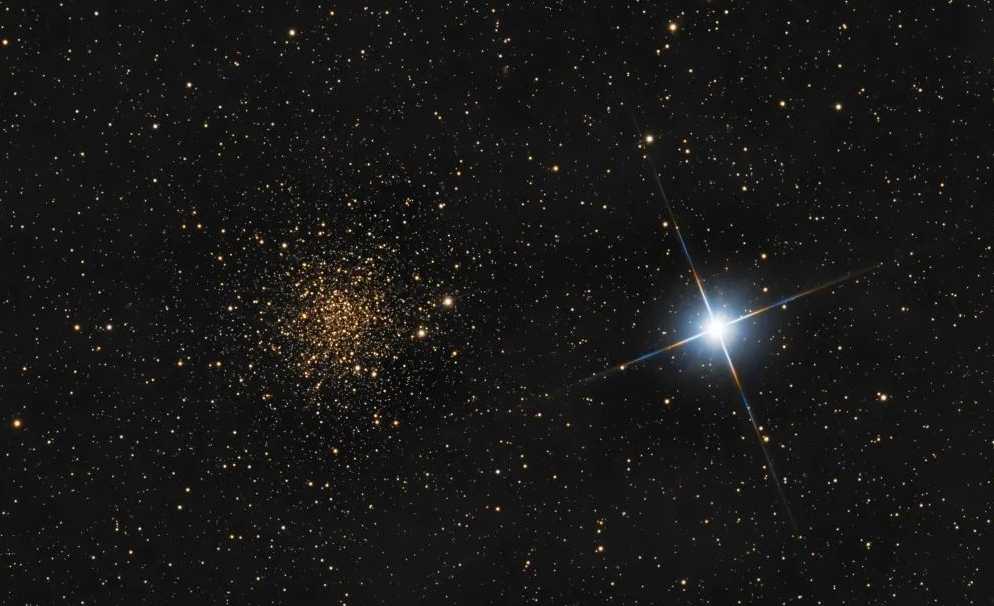
NGC 6366: A Rare Globular Cluster Defying Galactic Norms Near the Milky Way’s PlaneNGC 6366: A Rare Globular Cluster Defying Galactic Norms Near the Milky Way’s PlaneWhile most globular clusters orbit in the Milky Way’s outer halo, NGC 6366 stands out by lingering close to the galactic plane. Located ~12,000 light-years from Earth in Ophiuchus, the cluster’s starlight dims and reddens as it passes through interstellar dust—a phenomenon known as interstellar reddening. In this telescope image, NGC 6366’s golden stellar swarm contrasts sharply with the blue-white star 47 Ophiuchi, just 100 light-years away and visible as a bright point near the cluster’s edge.
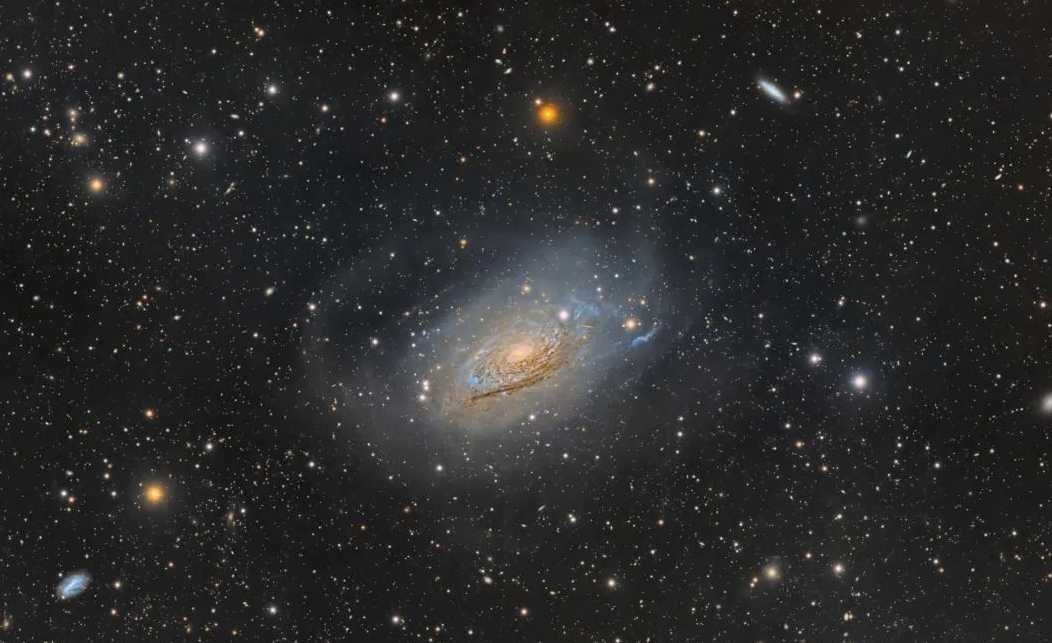
M63 (The Sunflower Galaxy): A Cosmic Sunburst in Canes VenaticiM63 (The Sunflower Galaxy): A Cosmic Sunburst in Canes VenaticiThe bright spiral galaxy M63 (NGC 5055) shines in the northern sky, a mere 30 million light-years from Earth in the constellation Canes Venatici ("the Hunting Dogs"). Spanning ~100,000 light-years—comparable to the Milky Way—its luminous core and grand spiral arms earned it the nickname "Sunflower Galaxy," a nod to its petal-like structure in deep exposures.
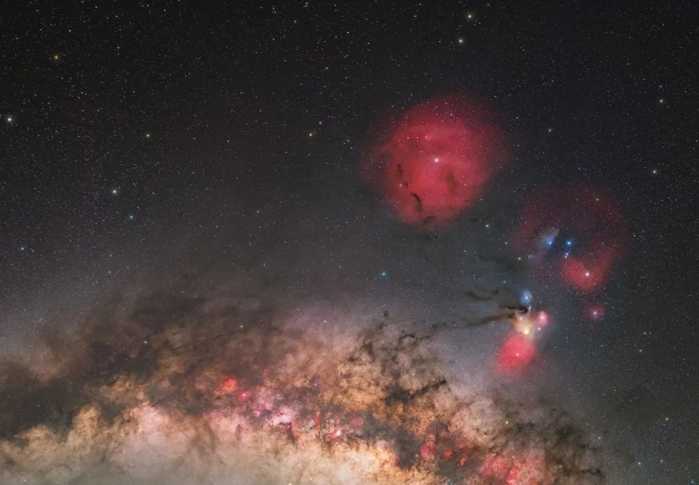
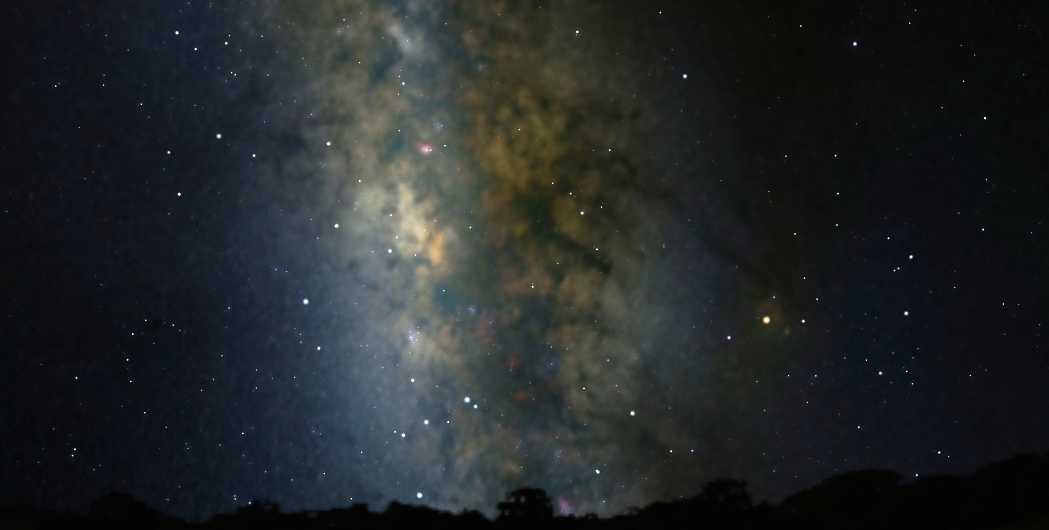
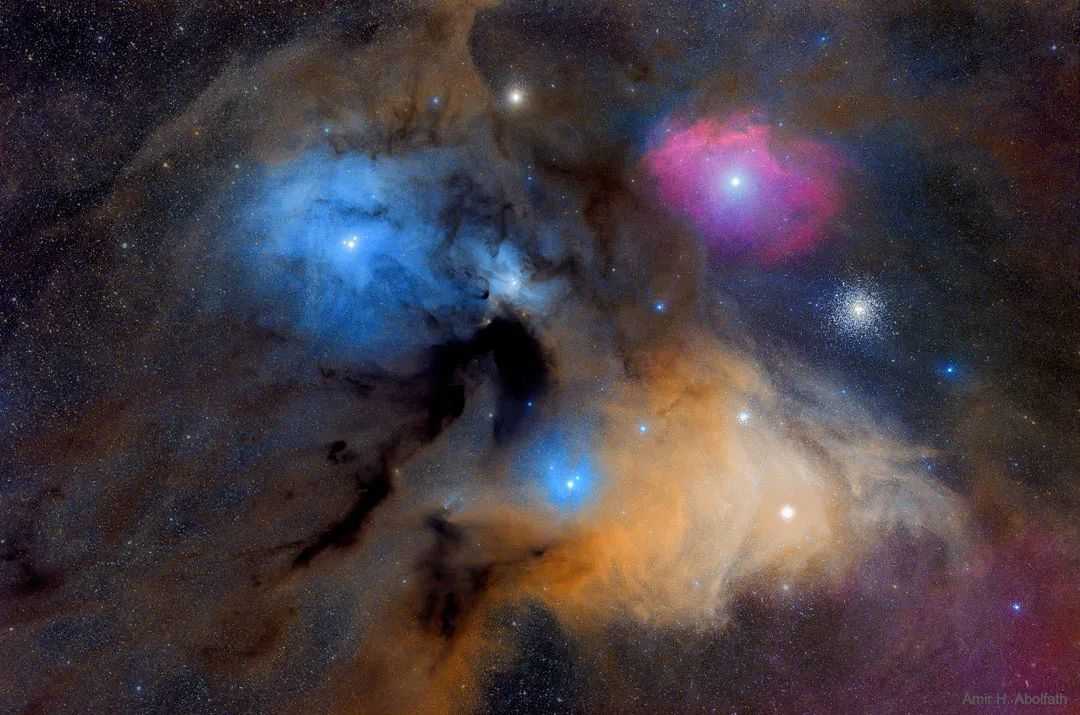
The Milky Way: A Celestial Canvas Over Mauna KeaThe Milky Way: A Celestial Canvas Over Mauna KeaOn a clear, moonless night, a faint band stretches across the sky, gradually resolving into a luminous ribbon as eyes adjust to the dark. This is no ordinary sight: it’s the Milky Way, a grand projection of our galaxy’s 千亿 stars. The galactic plane arcs elegantly across the frame, flanked by the colorful Rho Ophiuchi Nebula on the right and the red-ringed Zeta Ophiuchi Nebula at the top center. Taken in late February from Mauna Kea, Hawaii, the image features the University of Hawaii’s 2.2-meter telescope in the foreground—though you don’t need a volcanic summit to witness this cosmic wonder.
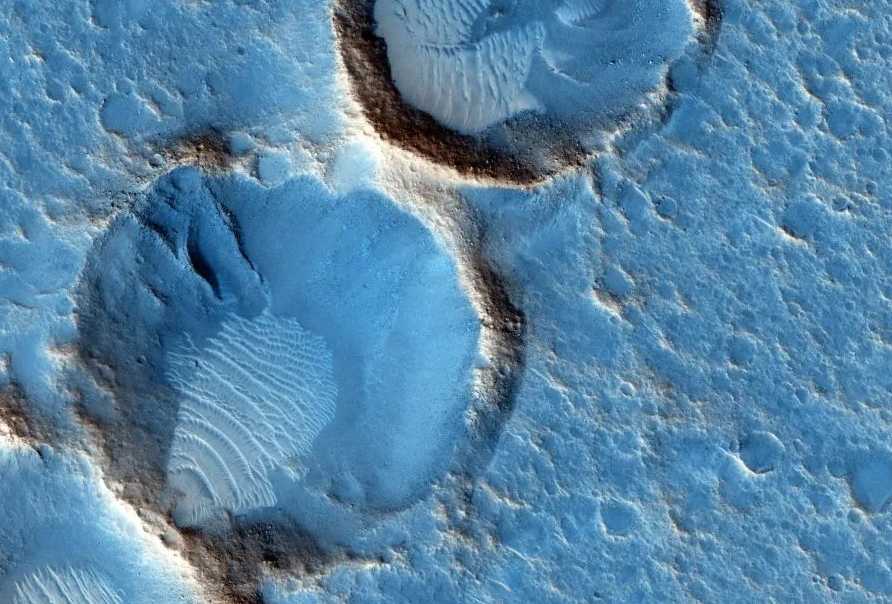
HiRISE Reveals Mars' Acidalia Planitia: Where Sci-Fi Meets Scientific RealityHiRISE Reveals Mars' Acidalia Planitia: Where Sci-Fi Meets Scientific RealityA close-up from NASA’s Mars Reconnaissance Orbiter (MRO) HiRISE camera unveils the weathered craters and aeolian features of southern Acidalia Planitia. While standard HiRISE imagery often appears in striking blue tones—a result of multispectral processing to enhance geological details—the region would likely appear gray or pale red to human eyes. Of course, no human has yet witnessed this Martian landscape firsthand—unless we count Andy Weir’s fictional NASA astronaut in The Martian.
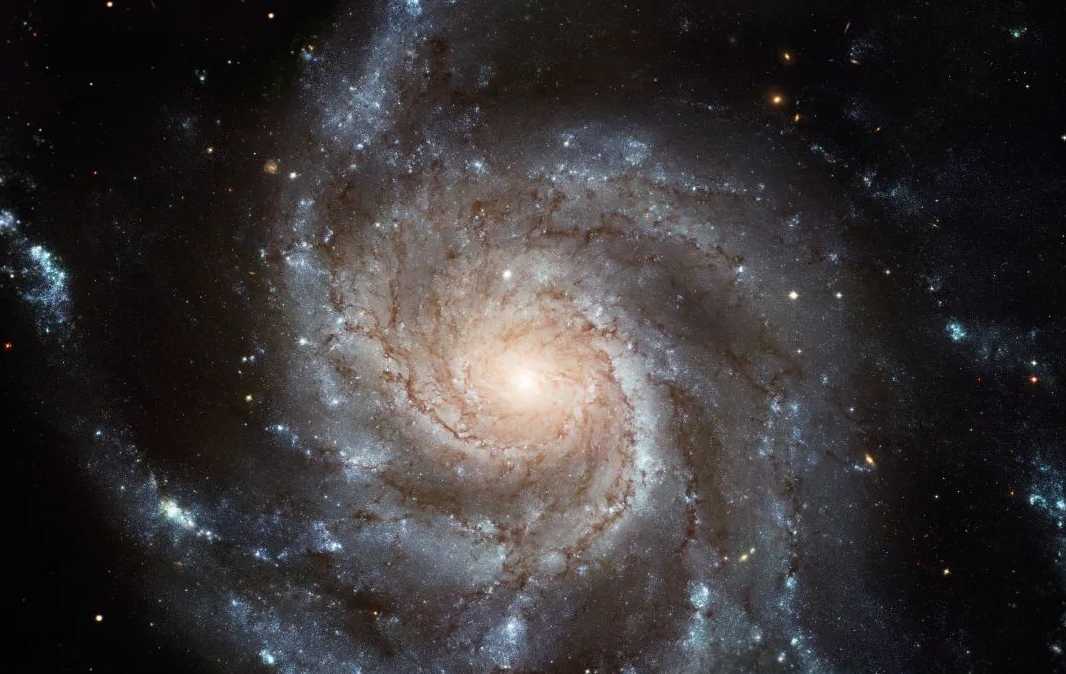
The Pinwheel Galaxy M101: A Cosmic Masterpiece Across Two CenturiesThe Pinwheel Galaxy M101: A Cosmic Masterpiece Across Two CenturiesOne of the last entries in Charles Messier’s catalog, the Pinwheel Galaxy (M101) stands as its most dazzling wonder. Spanning 170,000 light-years—nearly twice the Milky Way’s size—it first revealed its spiral secrets to 19th-century astronomer Lord Rosse through the Parsonstown Leviathan, the era’s largest telescope.
Earth: The Blue Planet's Complexity and FragilityEarth: The Blue Planet's Complexity and FragilityEarth, the third planet from the Sun, is a dynamic celestial body uniquely adapted to sustain life, with its intricate ecosystems, diverse geography, and breathable atmosphere. Spanning approximately 12,742 kilometers in diameter, this "blue planet" is characterized by vast oceans that cover 71% of its surface, interspersed with continents, islands, and dynamic geological features that shape its ever-changing landscape.
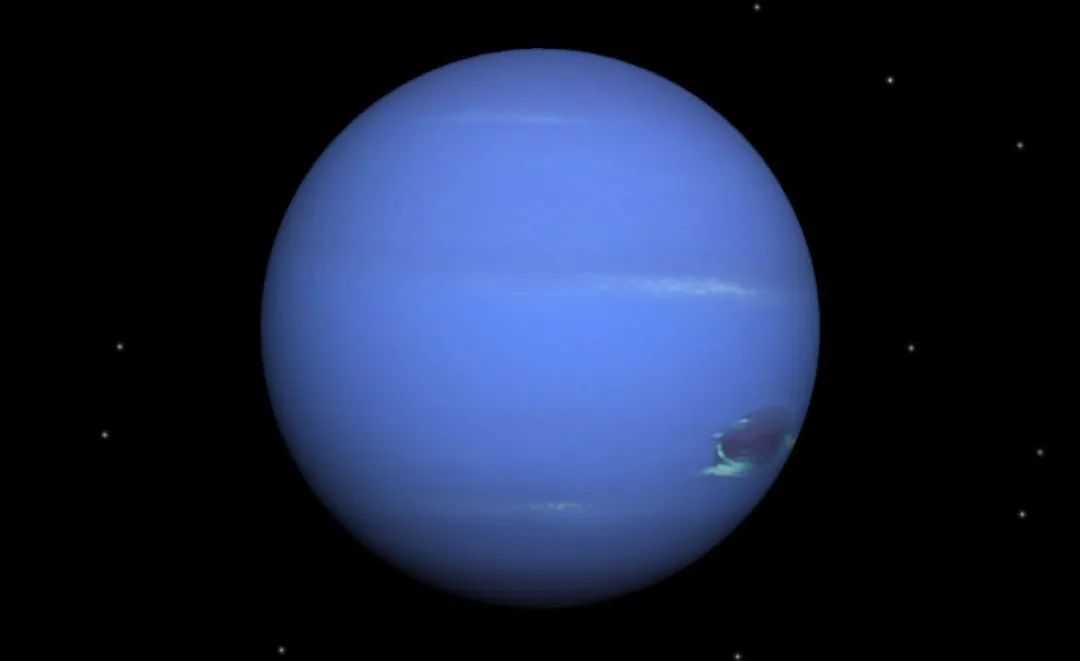
Neptune: The Mysterious Blue Giant Named After the Roman God of the SeaNeptune: The Mysterious Blue Giant Named After the Roman God of the SeaNeptune, named after the Roman god of the sea, "Neptunus," stands as the eighth and farthest major planet from the Sun. This celestial body, discovered in 1846, captivates astronomers and enthusiasts alike with its intense blue hue and powerful atmospheric dynamics, earning its reputation as a distant, majestic sentinel of the solar system.
The Starry Night Sky: A Glimpse into the Vast Diversity of StarsThe Starry Night Sky: A Glimpse into the Vast Diversity of StarsOn clear nights, the sky is adorned with countless stars, most of which are celestial bodies that, like the Sun, generate their own light through nuclear fusion. Our Milky Way galaxy alone harbors hundreds of billions of stars, each varying dramatically in size, luminosity, mass, and density. These distant suns paint the cosmos with a spectrum of brightness and color, offering a window into the universe’s astonishing diversity.
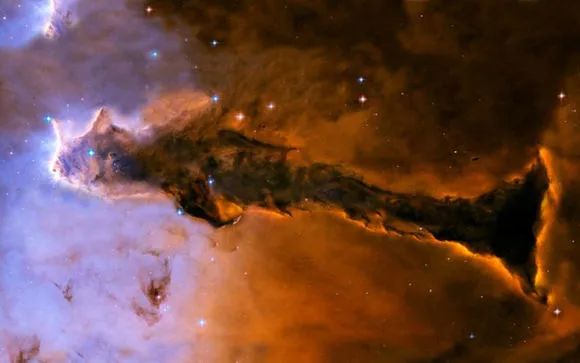
Nebulae: The Glowing Clouds of Star Formation and Stellar RemnantsNebulae: The Glowing Clouds of Star Formation and Stellar RemnantsThrough telescopes or astrophotography, celestial observers often encounter luminous, cloud-like structures known as nebulae. These cosmic formations, composed of gas and dust, have fascinated scientists for centuries. Initially classified into two broad categories—galactic nebulae (within the Milky Way) and extragalactic nebulae (beyond our galaxy)—they serve as crucial sites of stellar birth, evolution, and death.
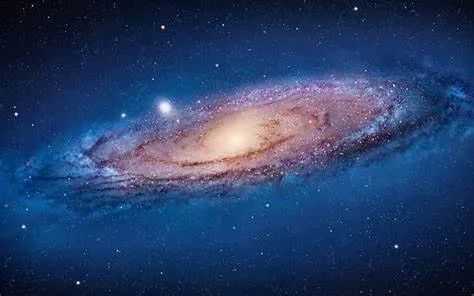
Andromeda Galaxy: The Cosmic Neighbor Illuminating the Night SkyAndromeda Galaxy: The Cosmic Neighbor Illuminating the Night SkyThe Andromeda Galaxy, also known as Messier 31 (M31), stands as the closest major spiral galaxy to our Milky Way, captivating astronomers and stargazers alike with its grandeur and cosmic significance. Visible to the naked eye on clear nights as a faint, fuzzy patch, it offers a glimpse into the vastness of the universe and the complex dynamics of galactic evolution.
Interstellar Medium: The Invisible Fog Shaping Astronomical ObservationsInterstellar Medium: The Invisible Fog Shaping Astronomical ObservationsThe dimming of starlight as it traverses interstellar space reveals a key cosmic truth: the universe’s vast empty spaces are not truly vacuums but filled with sparse, yet significant, matter. This phenomenon, observed through centuries of astronomical study, highlights the presence of the interstellar medium (ISM)—a diffuse mixture of gas, dust, and cosmic rays that permeates the space between stars.
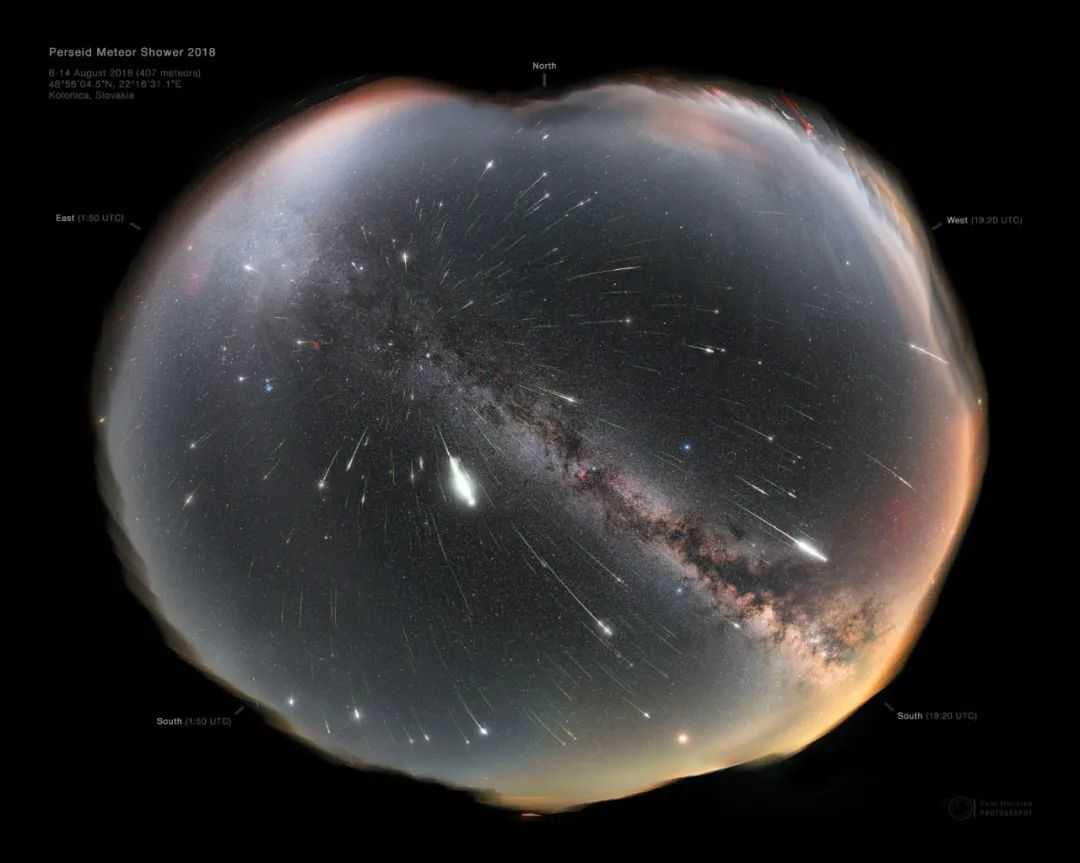
Perseid Meteor Shower: The Spectacular Summer Celestial DisplayPerseid Meteor Shower: The Spectacular Summer Celestial DisplayOne of the most anticipated astronomical events of summer, the Perseid meteor shower ranks among the three major meteor showers in the Northern Hemisphere. Renowned for its reliability and dazzling display, it captivates skywatchers worldwide, offering a breathtaking showcase of streaking lights across the night sky.
The Milky Way: A Celestial Tapestry Spanning the Night SkyThe Milky Way: A Celestial Tapestry Spanning the Night SkyThe Milky Way, a luminous band of stars stretching across the celestial sphere, has captivated human imagination for millennia. Known as the "Road of Milk" in ancient Greek mythology and by names like "Heavenly River" or "Silver Stream" in ancient Chinese astronomy, this iconic feature is more than a mere spectacle—it is the vast stellar system that contains our Solar System.
Globular Cluster M4: A Stellar Jewel Beside Antares in ScorpiusGlobular Cluster M4: A Stellar Jewel Beside Antares in ScorpiusGlobular cluster M4 (Messier 4) may not dazzle with extreme brightness, but its accessibility and striking proximity to one of the sky’s most iconic stars make it a favorite target for astronomers and astrophotographers alike. Nestled in the constellation Scorpius, this ancient stellar grouping offers a window into the galaxy’s past and a stunning visual companion to its fiery neighbor.
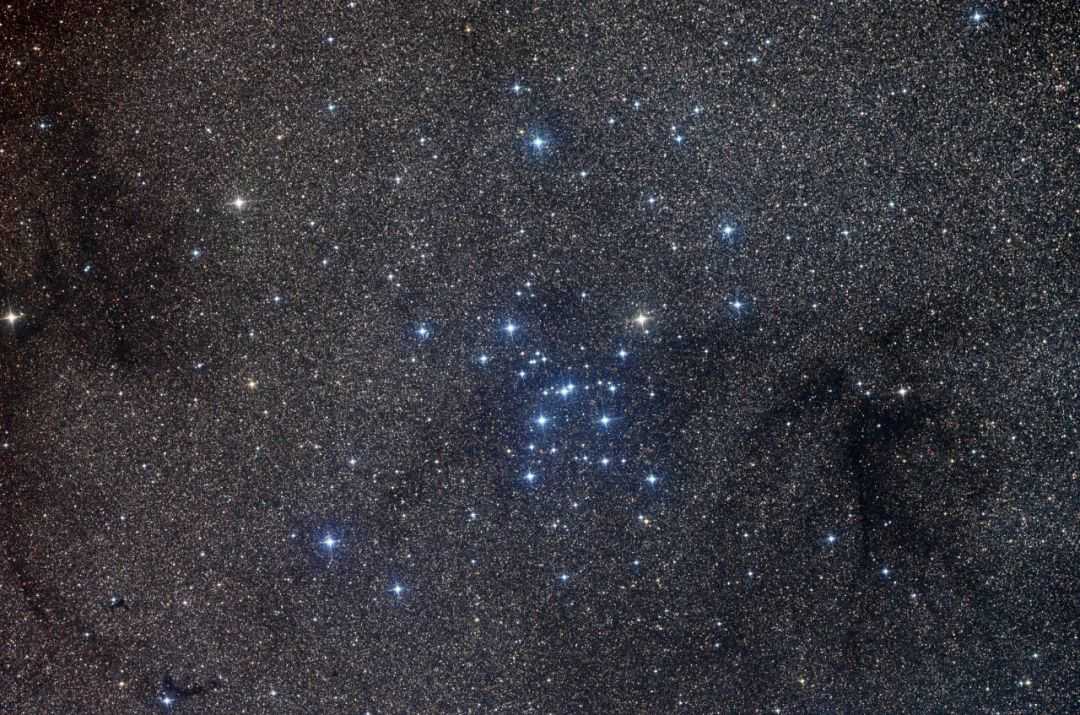
M7: Ptolemy's Cluster—A Brilliant Open Cluster in ScorpiusM7: Ptolemy's Cluster—A Brilliant Open Cluster in ScorpiusKnown as Ptolemy's Cluster, M7 is a striking open cluster that graces the tail of the constellation Scorpius. With an apparent magnitude of 3.3—comparable to the Andromeda Galaxy’s brightness—it stands out as one of the most luminous and easily observable open clusters in the night sky, captivating both amateur stargazers and astronomers with its celestial beauty.