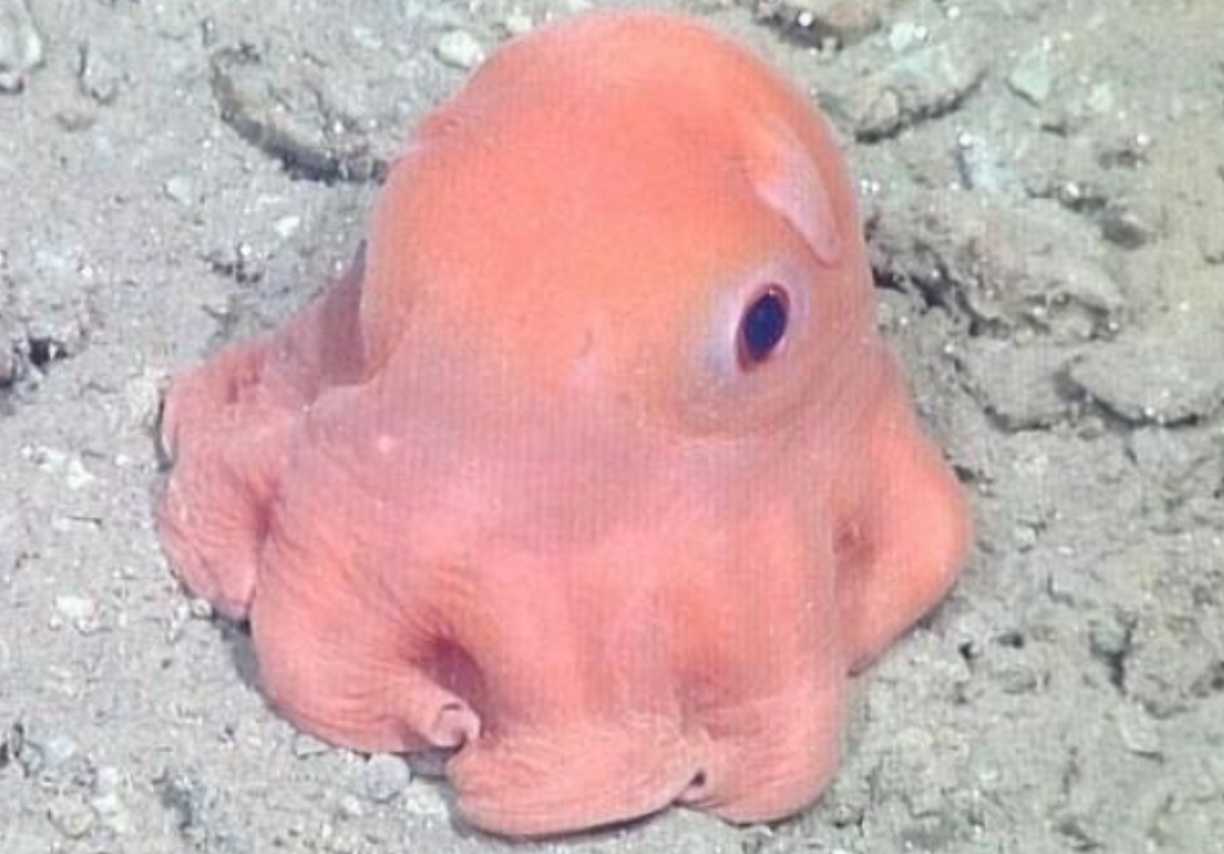
A Delightful Discovery: Unveiling the "Adorable" OctopusA Delightful Discovery: Unveiling the "Adorable" Octopus
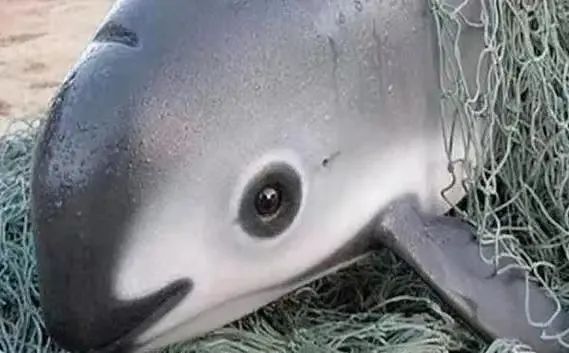
The Vaquita: Mexico’s Critically Endangered "Sea Panda"The Vaquita: Mexico’s Critically Endangered "Sea Panda"
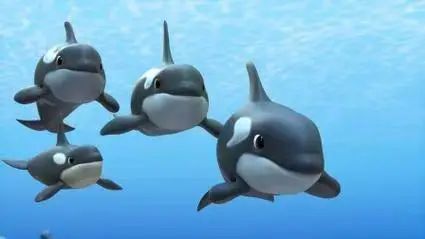
Orcas: The Majestic Apex Predators with a Playful DemeanorOrcas: The Majestic Apex Predators with a Playful Demeanor
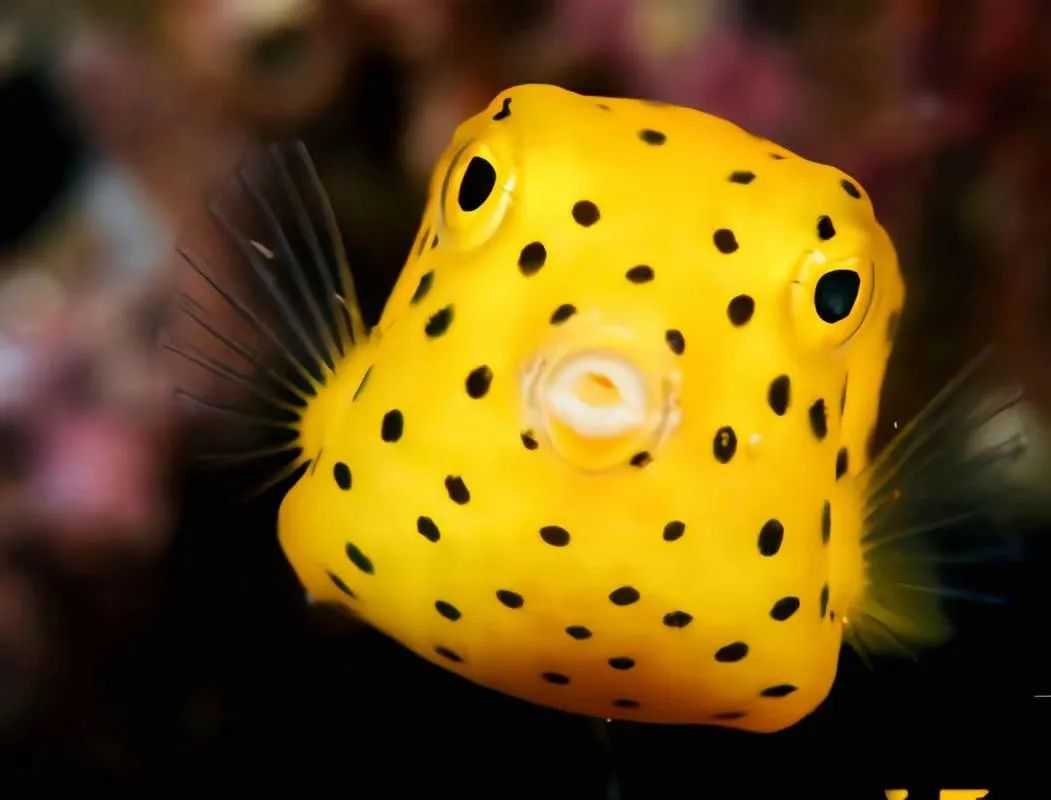
The Quirky Boxfish: A Living Underwater Cartoon in Tropical ReefsThe Quirky Boxfish: A Living Underwater Cartoon in Tropical Reefs
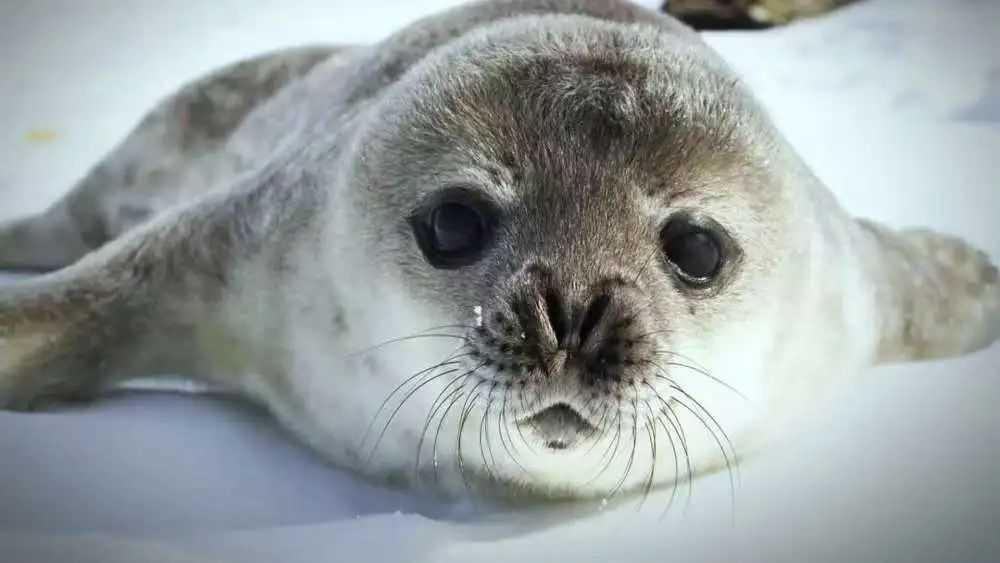
The Enchanting Spotted Seal: A Guardian of Northern WatersThe Enchanting Spotted Seal: A Guardian of Northern WatersIn the temperate seas of the Northern Hemisphere, the spotted seal (Phoca largha) thrives as a charismatic marine mammal. Growing 1.5 to 2 meters in length, this species relies on a diet of fish and shellfish to sustain its life in the ocean’s dynamic ecosystems. As a first-class protected animal in China, it holds a critical place in conservation efforts aimed at preserving marine biodiversity.
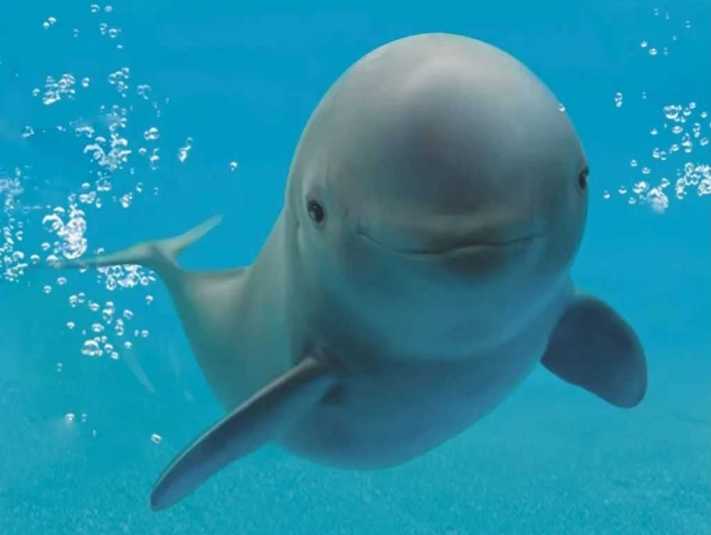
The "Giant Panda of the Water": Yangtze Finless PorpoisesThe "Giant Panda of the Water": Yangtze Finless PorpoisesIn the waters of the Yangtze River and its coastal regions dwells a diminutive cetacean known as the Yangtze finless porpoise, revered as the "giant panda of the water." Measuring about 1.5 meters in length, this critically endangered species is a national first-class protected animal, with its population teetering on the edge of survival. Its unique appearance and ecological significance make it a symbol of urgency for freshwater conservation.
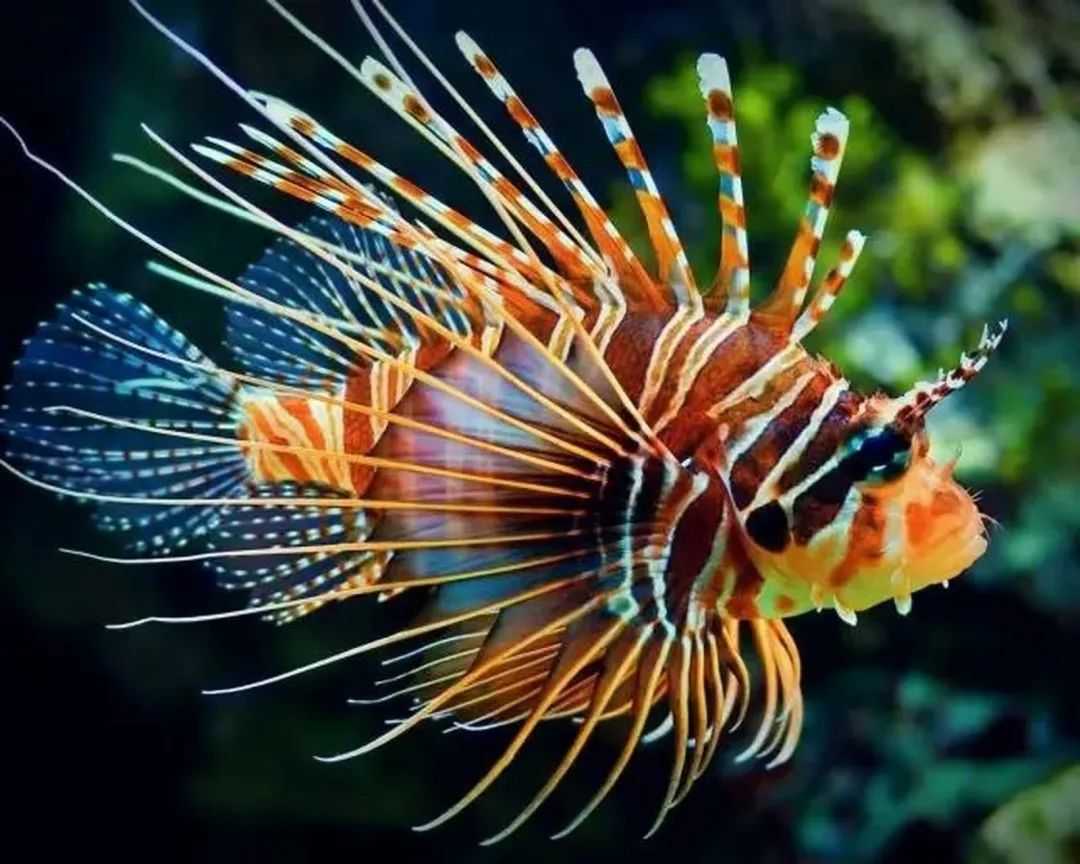
The Poisonous Beauty of the Reefs: LionfishThe Poisonous Beauty of the Reefs: LionfishIn the warm waters of tropical and temperate regions, the lionfish, or Pterois, is a striking inhabitant of coral reefs. Growing to around 30 centimeters in length, this carnivorous fish commands attention not only for its predatory nature but also for its flamboyant appearance. As it glides among the coral, it stands out as both a marvel and a cautionary presence in the marine ecosystem.
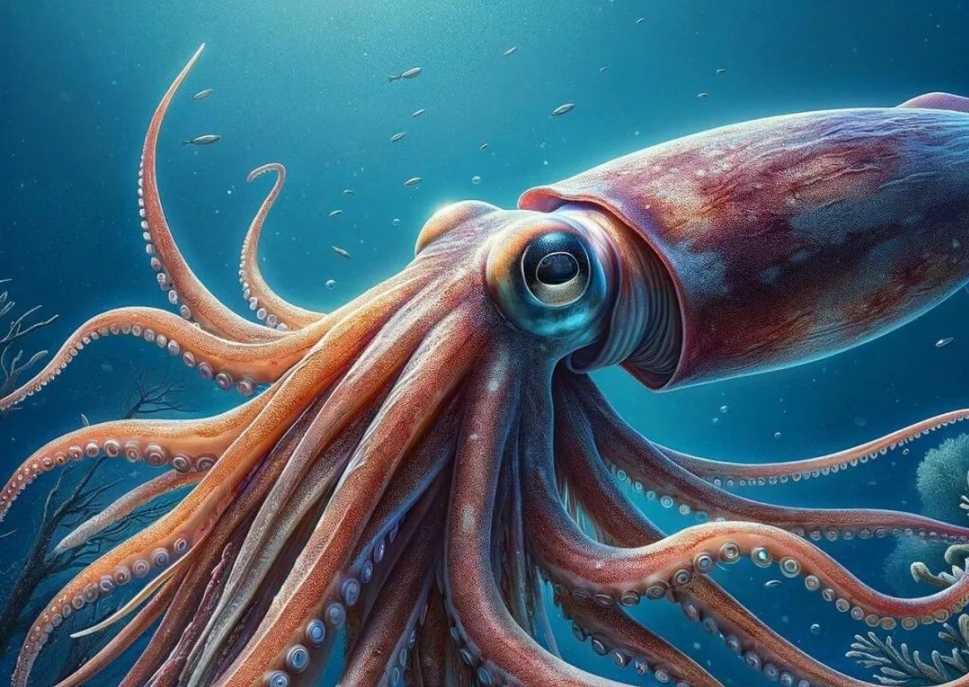
The Mythical Kraken Reimagined: The Giant SquidThe Mythical Kraken Reimagined: The Giant SquidDeep within the world’s darkest ocean trenches lurks the giant squid (Architeuthis dux), a creature that has long inspired both fear and fascination. Stretching over 12 meters in length, this deep-sea behemoth boasts the largest eyes in the animal kingdom—each the size of a dinner plate—allowing it to detect faint movements in the pitch-black abyssal zone. Its legendary status as a "sea monster" is rooted in centuries of maritime folklore, with many believing it to be the inspiration behind the Nordic myth of the Kraken.
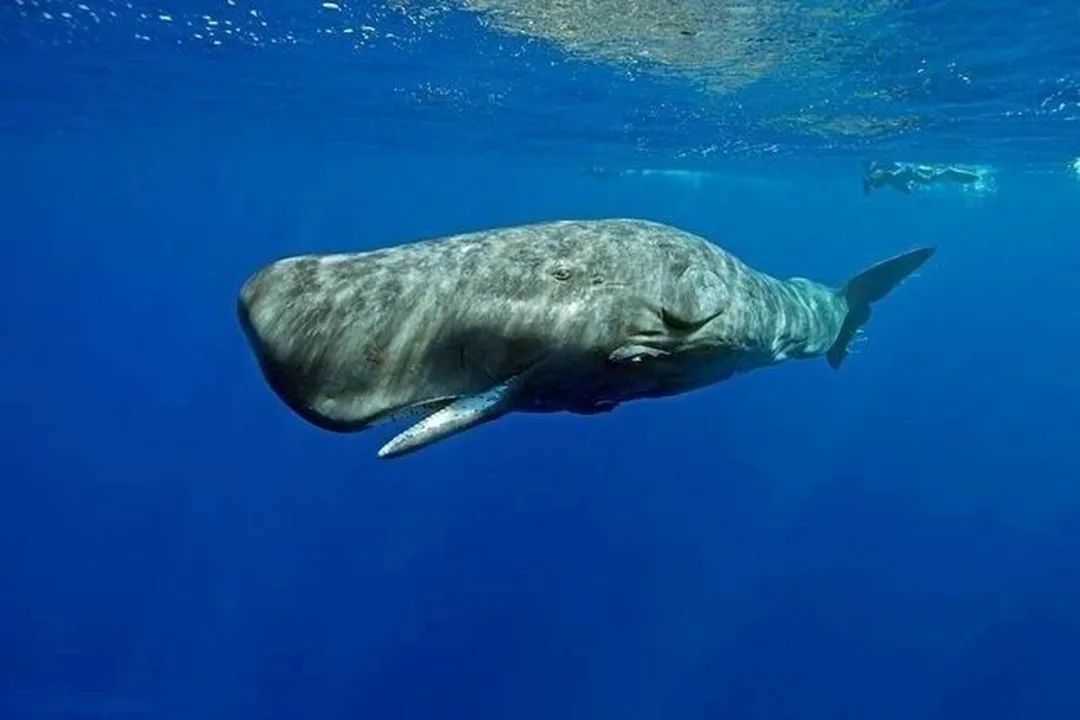
Sperm Whales: Titans of the Deep with Complex LivesSperm Whales: Titans of the Deep with Complex LivesGrowing up to 16 meters in length, sperm whales (Physeter macrocephalus) are defined by their enormous heads, which make up nearly one-third of their body size. These marine giants dominate the deep ocean, blending imposing physiology with a sophisticated social structure that has fascinated scientists for decades. From their coordinated hunting strategies to their mysterious resting behaviors, they embody the ocean’s enigmatic power.
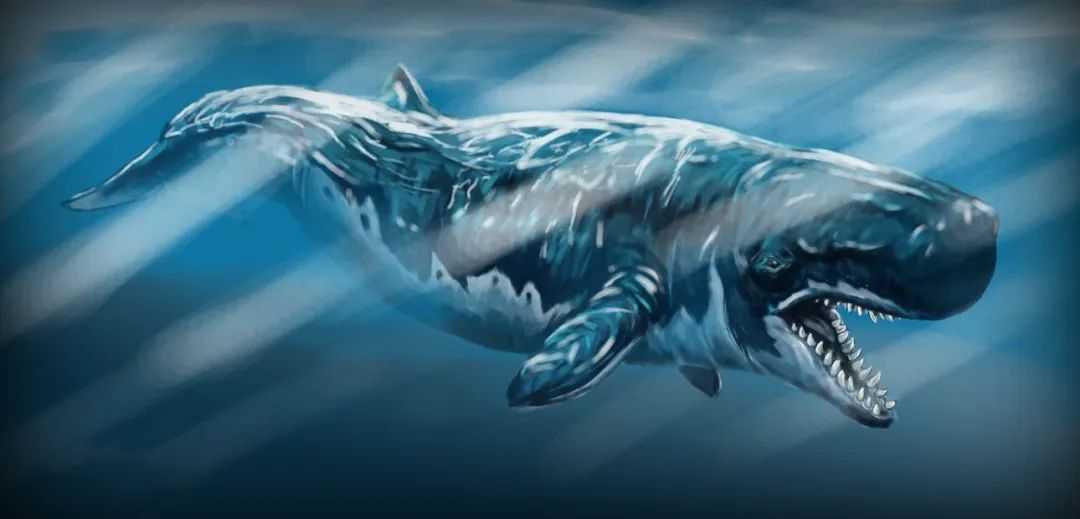
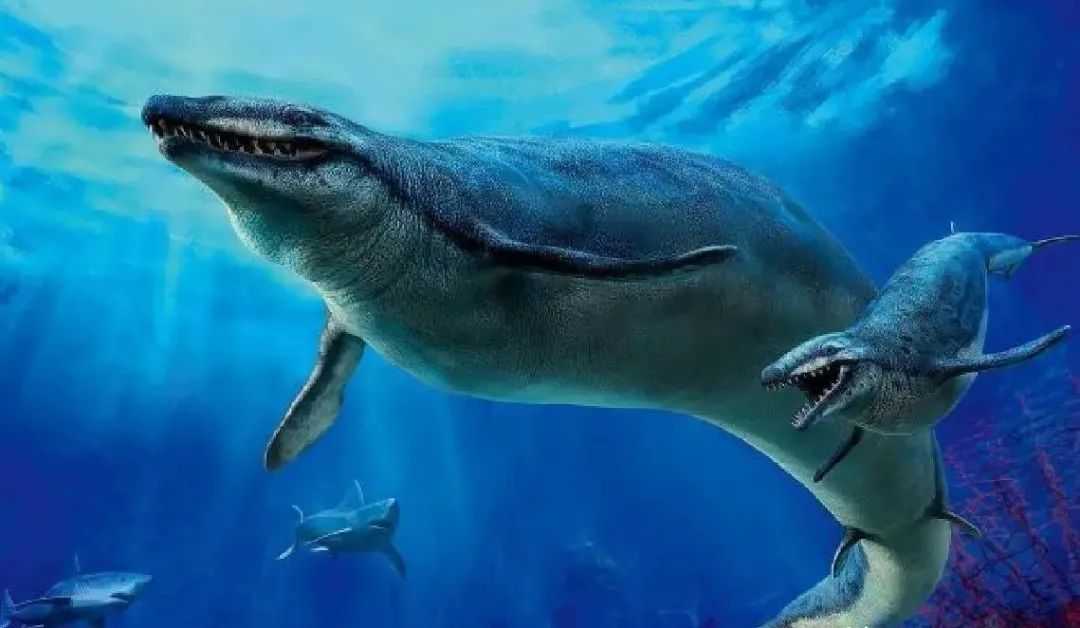
Livyatan melvillei: The Prehistoric Sea Predator That Ruled the OceansLivyatan melvillei: The Prehistoric Sea Predator That Ruled the OceansMeasuring up to 17 meters in length, Livyatan melvillei, a close relative of modern sperm whales, roamed the oceans around 13 million years ago. With a body shape reminiscent of its contemporary kin, this ancient marine mammal may have looked somewhat familiar, but its predatory habits set it apart as a fearsome force in the prehistoric seas.
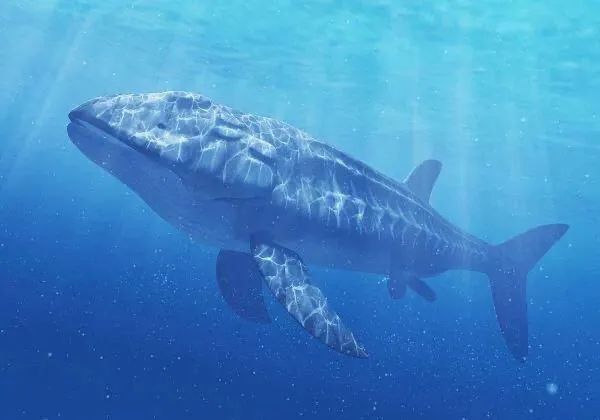
Leedsichthys: The Gentle Giant of the Prehistoric SeasLeedsichthys: The Gentle Giant of the Prehistoric SeasSwimming through the oceans over 160 million years ago during the Jurassic period, Leedsichthys was a colossal bony fish that dominated its aquatic realm. Stretching over 17 meters in length, this prehistoric behemoth dwarfed most marine creatures of its time, yet its survival relied not on aggression but on unique adaptations that made it a passive giant of the deep.
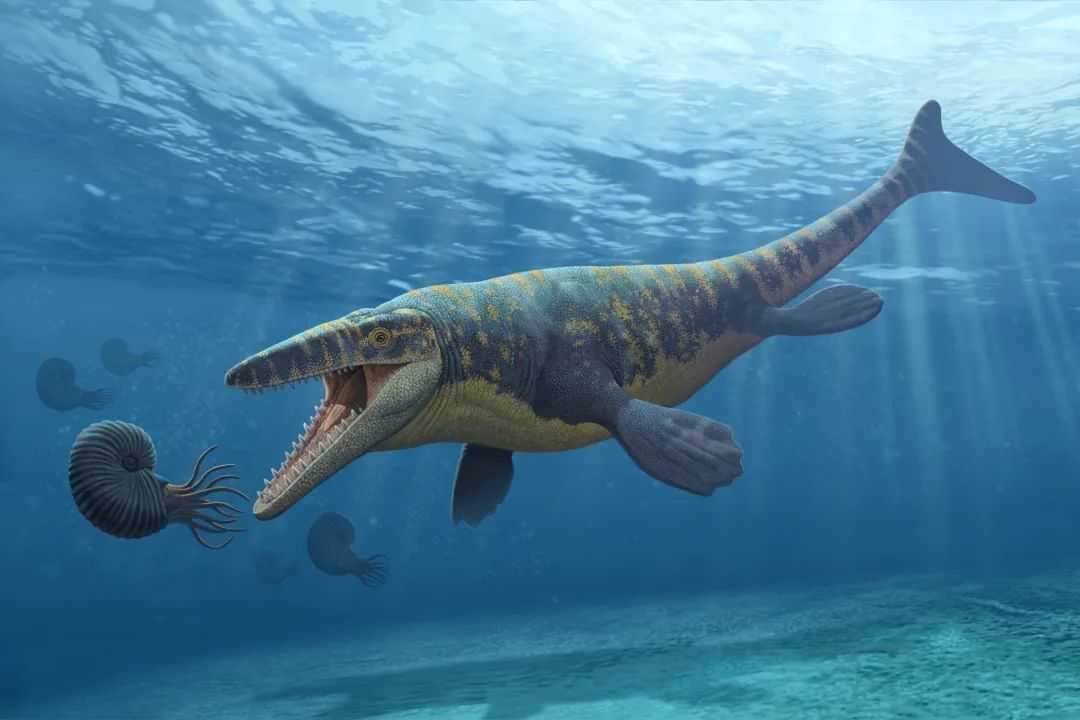
Mosasaurus: The Reptilian Tyrant That Conquered Cretaceous SeasMosasaurus: The Reptilian Tyrant That Conquered Cretaceous SeasDominating the oceans during the late Cretaceous period, Mosasaurus stood as a fearsome marine reptile, measuring over 17 meters in length and reigning as the undisputed apex predator of its time. Unlike modern marine creatures, this colossal beast traced its evolutionary roots to small, land-dwelling lizards, a transformation that culminated in one of the most successful oceanic conquests in prehistory.
Basilosaurus: The Prehistoric Whale That Dominated Ancient SeasBasilosaurus: The Prehistoric Whale That Dominated Ancient SeasStretching over 20 meters in length, Basilosaurus stands as a legendary ancestor of modern whales and the undisputed ruler of oceans 30 million years ago during the Eocene epoch. Often referred to as the "king of whales," this colossal marine reptile-turned-mammal combined an imposing physique with unique hunting strategies, making it a formidable force in its prehistoric ecosystem.
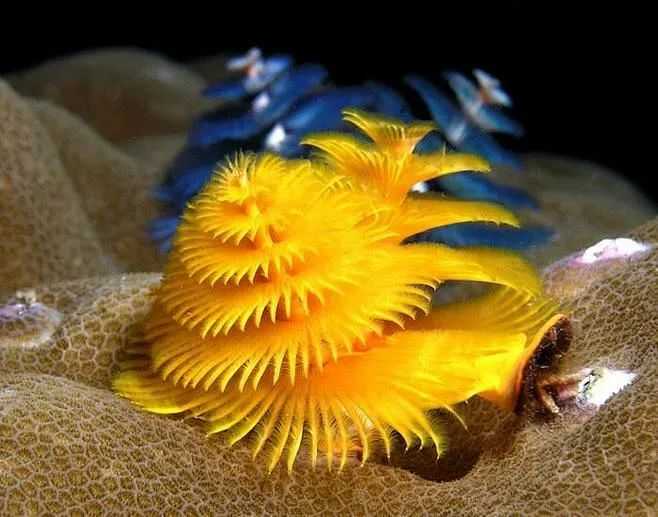
The Festive Wonders of the Reef: Christmas Tree WormsThe Festive Wonders of the Reef: Christmas Tree WormsContrary to their name, Christmas tree worms (Spirobranchus) are not corals but fascinating marine annelids that form symbiotic relationships with hard corals. These tube-dwelling polychaete worms, belonging to the phylum Annelida, are widely distributed in tropical oceans, where their vibrant, spiral-shaped structures add a touch of whimsy to coral reefs. Their common name stems from their striking resemblance to miniature, underwater Christmas trees.
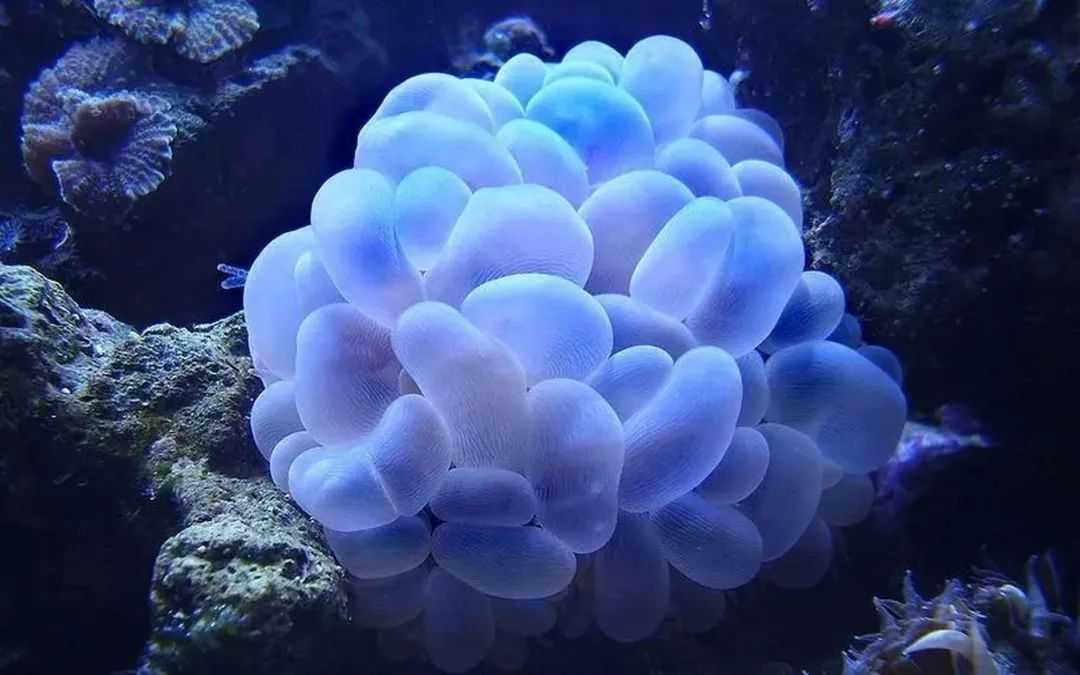
Bubble Coral: The Mesmerizing Marine Marvel with a Dual IdentityBubble Coral: The Mesmerizing Marine Marvel with a Dual IdentityPlerogyra sinuosa, commonly known as bubble coral, is a captivating soft coral species belonging to the order Scleractinia. Found primarily in the shallow waters—within 30 meters—along the coasts of the Pacific and Atlantic Oceans, as well as the Caribbean Sea, this coral species has earned its name from its unique appearance that transforms dramatically between day and night.
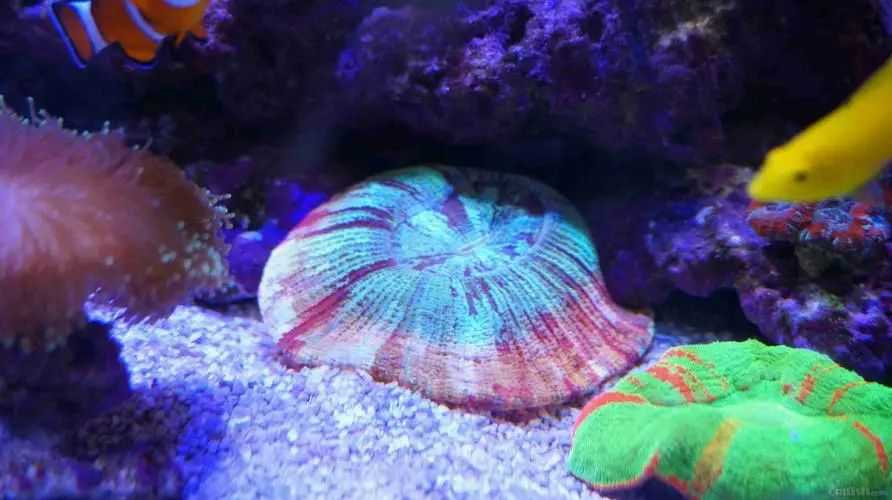
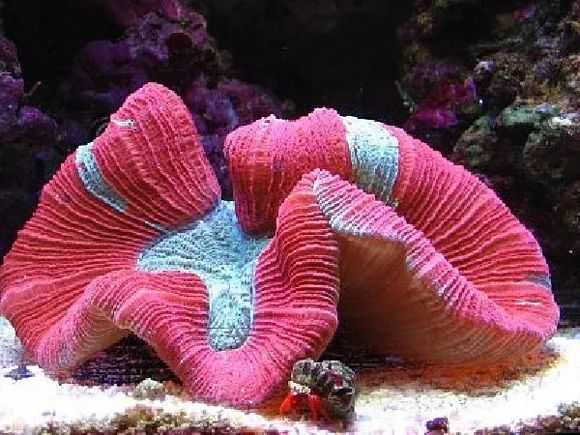
The Alluring Trachyphyllia Geoffroyi: Nature's Underwater ArtworkThe Alluring Trachyphyllia Geoffroyi: Nature's Underwater ArtworkTrachyphyllia geoffroyi, commonly known as the open brain coral or more distinctively, the eight - shaped brain coral, is a captivating species within the Merulinidae family of the class Anthozoa. Predominantly found in the shallow tropical seas of regions like Indonesia, in sandy areas or near reefs, this coral has earned its unique name due to the striking resemblance of its skeleton to the number "8".
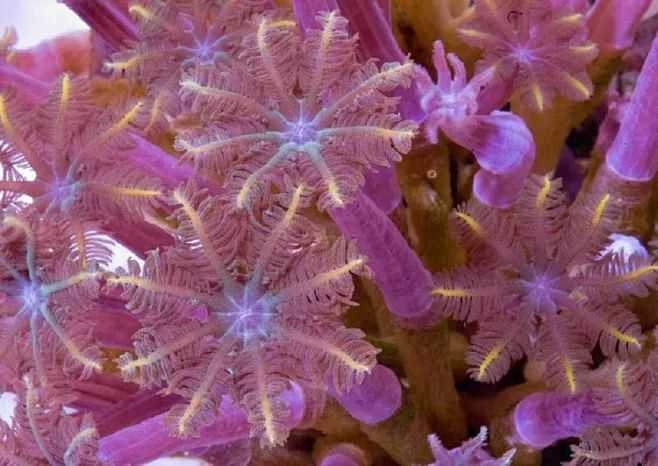
Clavularia spp.: The Alluring Gloves of the Ocean FloorClavularia spp.: The Alluring Gloves of the Ocean FloorClavularia spp., commonly known as glove polyps or gloved hydroids, are enchanting marine invertebrates belonging to the subclass Octocorallia. Revered in the aquarium trade for their stunning appearance and ease of care, these creatures add a touch of underwater elegance to both natural reefs and home aquariums. Their name stems from the unique shape of their extended tentacles, which resemble delicate gloves or blooming petals.
Trachyphyllia geoffroyi: The Living Underwater Masterpiece of the Indian-PacificTrachyphyllia geoffroyi: The Living Underwater Masterpiece of the Indian-PacificTrachyphyllia geoffroyi, a marine marvel within the order Scleractinia of the phylum Cnidaria, thrives in the reefs and sandy substrates of the Indian-Pacific Ocean. Capable of growing up to an astonishing 1.8 meters, this coral species captivates with its distinct appearance, earning its name from a striking resemblance to the intricate folds of the human brain. Its unique structure and vibrant hues make it a standout inhabitant of the ocean’s depths.
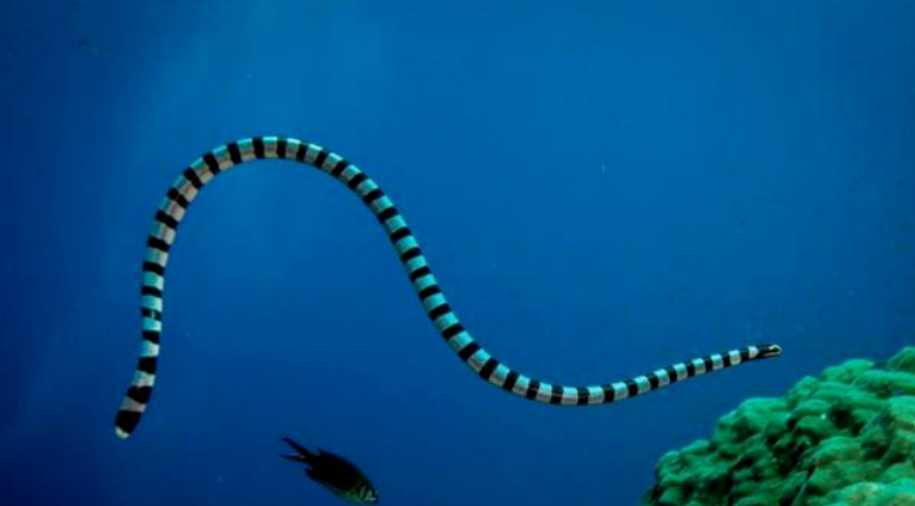
Sea Snakes: Elusive and Venomous Reptiles of the Ocean DepthsSea Snakes: Elusive and Venomous Reptiles of the Ocean DepthsSea snakes, aquatic reptiles adapted to life in marine environments, are among the most fascinating yet misunderstood creatures of the sea. These serpents, closely related to terrestrial cobras, possess a unique set of adaptations that allow them to thrive in saltwater, from paddle-like tails for swimming to specialized glands that excrete excess salt. However, their most renowned feature is their potent venom, a survival tool that has both intrigued and terrified humans for centuries.
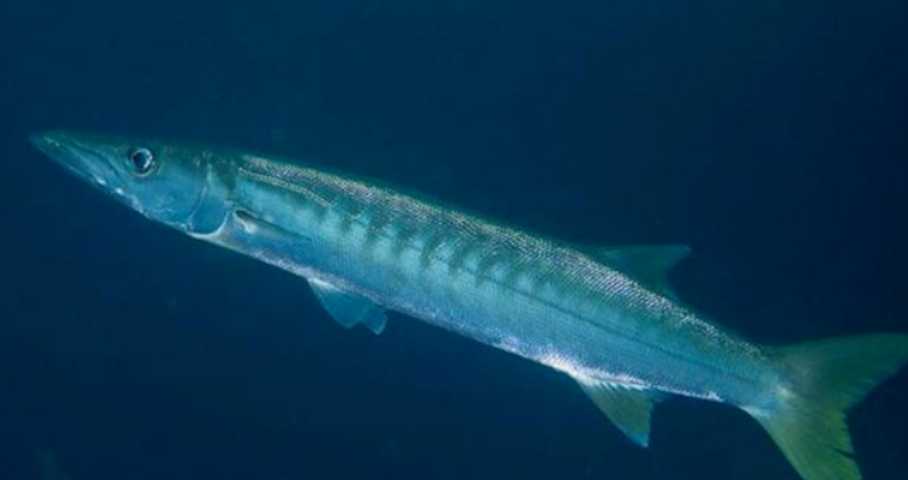
Barracudas: Swift and Formidable Predators of the Open SeasBarracudas: Swift and Formidable Predators of the Open SeasBarracudas are renowned for their lightning-fast swimming speed and sleek, serpentine bodies, making them one of the ocean’s most efficient hunters. With elongated forms resembling aquatic snakes and rows of razor-sharp teeth that rival those of piranhas, these fish cut an intimidating figure in tropical and subtropical waters worldwide. Their streamlined physique and powerful tails allow them to accelerate rapidly, often reaching speeds of up to 40 kilometers per hour, enabling sudden, devastating strikes on unsuspecting prey.