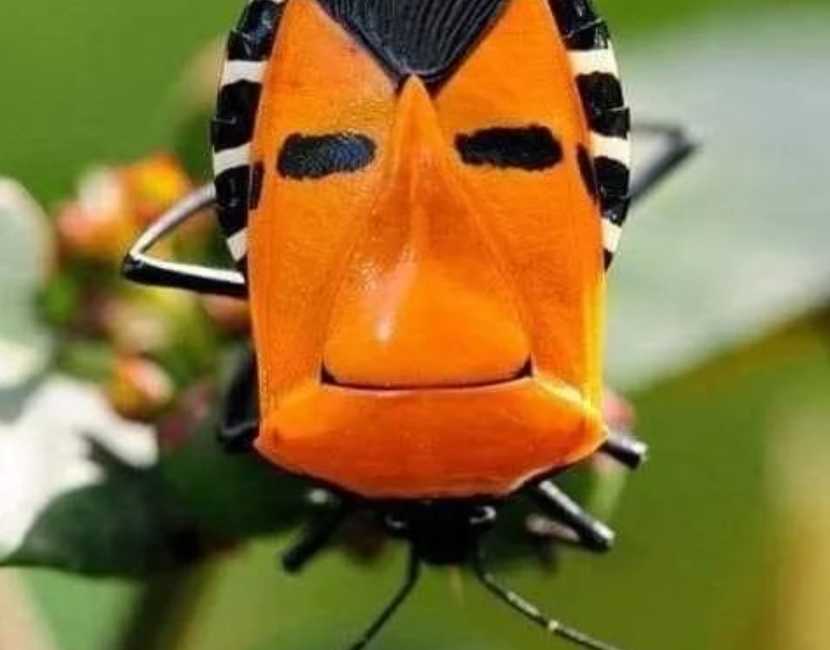
The Face Bug (Auchenorrhyncha: Proconiini): Nature's Cryptic Portraitists of Southeast AsiaThe Face Bug (Auchenorrhyncha: Proconiini): Nature's Cryptic Portraitists of Southeast Asia
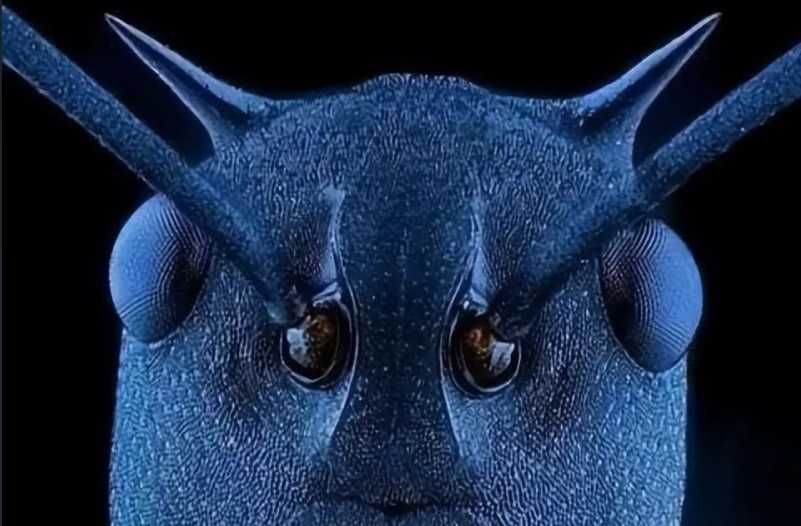
Ants' Facial Close - ups: Uncovering the Expressive Faces of Tiny InsectsAnts' Facial Close - ups: Uncovering the Expressive Faces of Tiny Insects
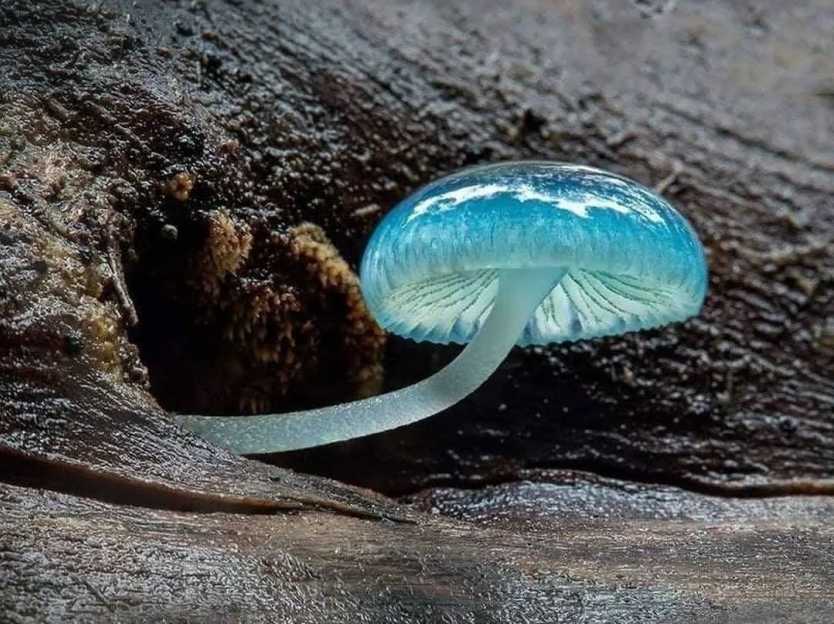
Crystal - clear Blue Mushrooms: A Captivating Natural WonderCrystal - clear Blue Mushrooms: A Captivating Natural Wonder
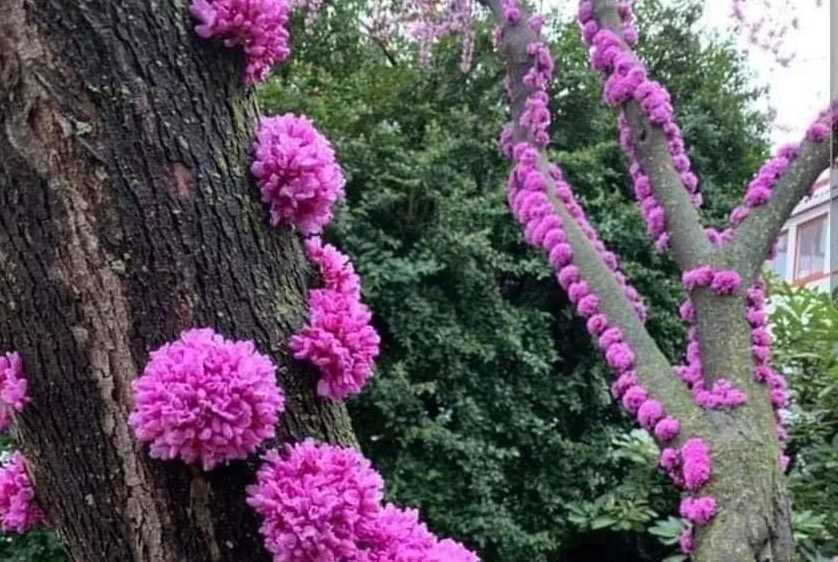
The Unusual Tree: Trees That Bloom Directly on the TrunkThe Unusual Tree: Trees That Bloom Directly on the Trunk
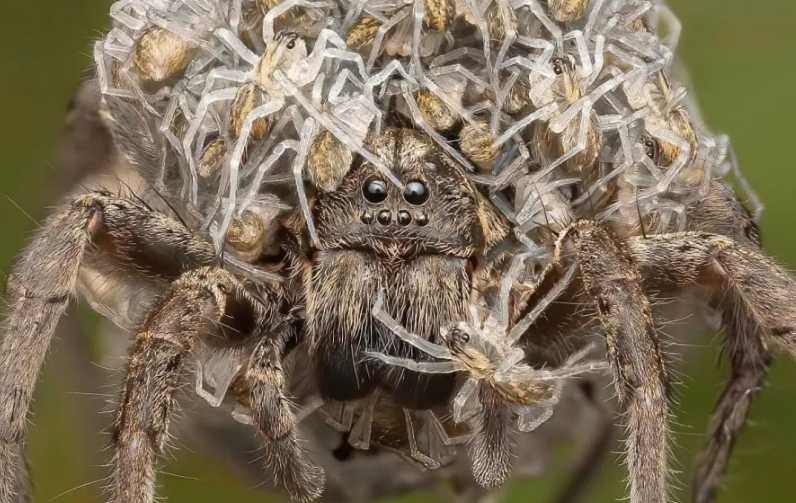
Wolf Spiders and Their Young: Nature’s Dedicated MothersWolf Spiders and Their Young: Nature’s Dedicated MothersWolf spiders (Lycosidae) embody maternal dedication in the arachnid world, carrying their offspring with them in a manner that underscores the sacrifices of parenthood in the wild. Females of these ground-dwelling spiders spin silk egg sacs containing hundreds of eggs, which they attach to their spinnerets, literally towing the sac behind them as they hunt and move. This behavior ensures the eggs remain protected and oxygenated, a critical investment in their survival.
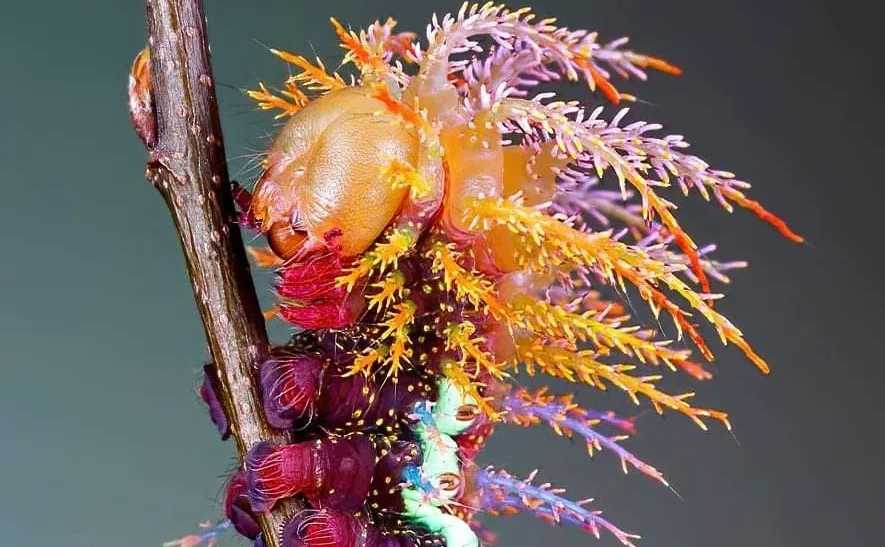
Vibrant Purple Caterpillar Sparks Wonder: What Will Its Butterfly Form Look Like?Vibrant Purple Caterpillar Sparks Wonder: What Will Its Butterfly Form Look Like?A striking purple caterpillar recently spotted in a Costa Rican rainforest has captivated entomologists and nature enthusiasts alike. The creature, with its vivid hue and unique texture, has sparked curiosity about the transformation it will undergo into an adult butterfly.
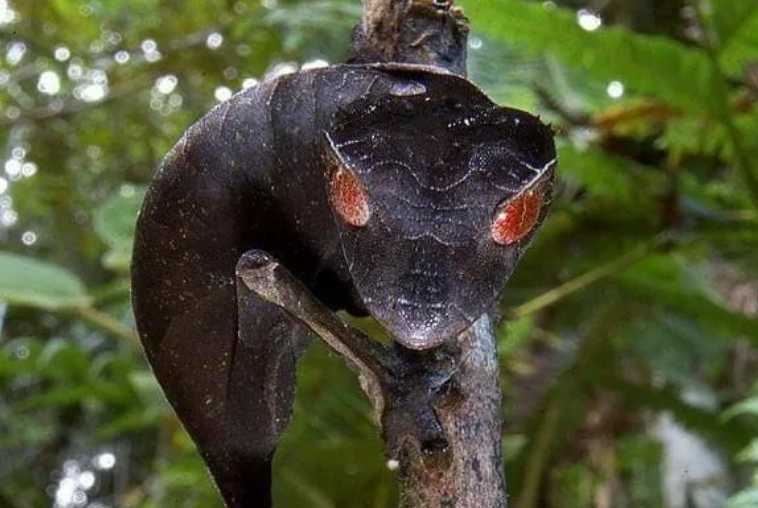
Satanic Leaf-Tailed Gecko: Nature's Master of Dead Leaf MimicrySatanic Leaf-Tailed Gecko: Nature's Master of Dead Leaf MimicryIn the dense rainforests of Madagascar, a remarkable reptile demonstrates nature’s most astonishing camouflage: the Satanic leaf-tailed gecko (Uroplatus phantasticus). Renowned for its uncanny resemblance to a dried, withered leaf, this gecko has evolved the perfect disguise to vanish into its forest habitat.
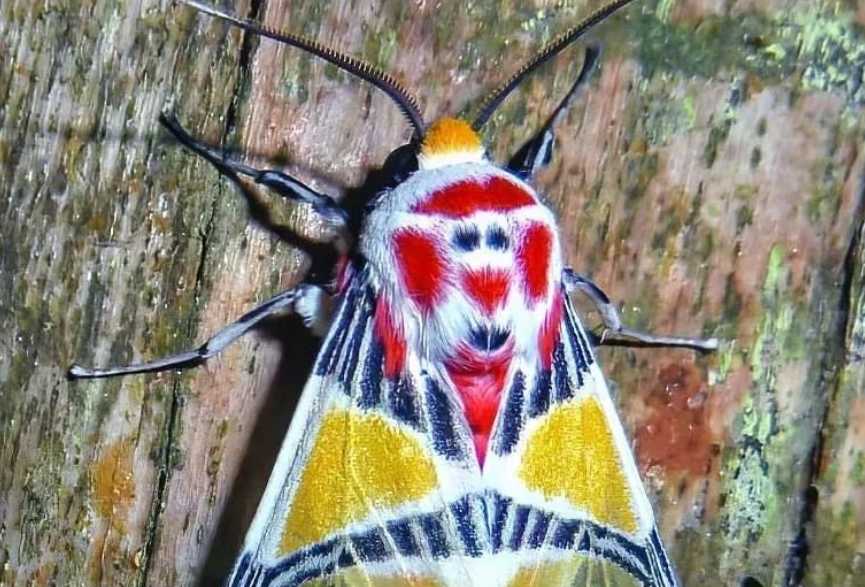
The "Human-Faced" Tiger Moth: A Mysterious Lepidopteran of Tropical RegionsThe "Human-Faced" Tiger Moth: A Mysterious Lepidopteran of Tropical RegionsIn the lush ecosystems of tropical and subtropical zones, a fascinating moth has evolved a 诡异 (bizarre) trait: distinct markings on its hindwings that resemble a human face. This tiger moth (subfamily Arctiinae) has captivated entomologists and nature enthusiasts alike for its uncanny mimicry, blending survival strategy with eerie aesthetic.
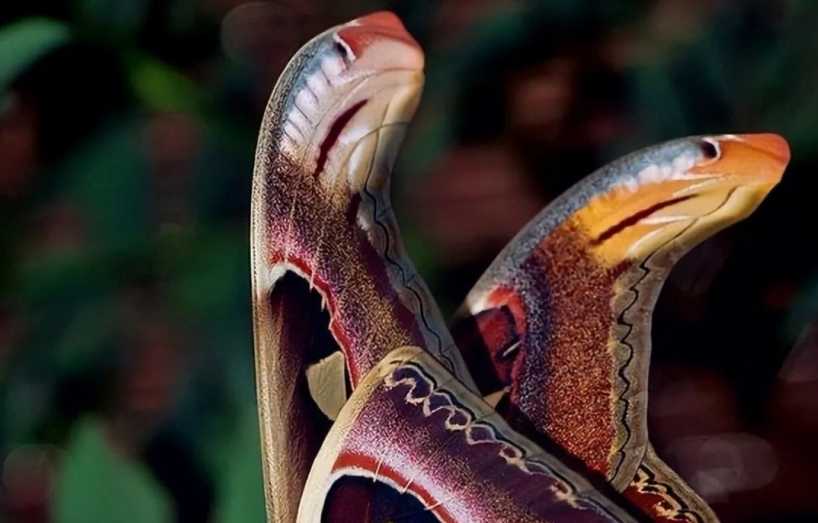
The Atlas Moth: Wings That Mimic Two Snake HeadsThe Atlas Moth: Wings That Mimic Two Snake HeadsIn the tropical forests of Asia, the Atlas moth (Attacus atlas) astounds with its massive wingspan—reaching up to 25 centimeters, roughly the size of an adult human palm. Yet its most remarkable trait lies in the dramatic patterns on its hindwings: two eye-like spots and serpentine shapes that uncannily resemble a pair of snake heads, a masterful evolutionary trick to deter predators.
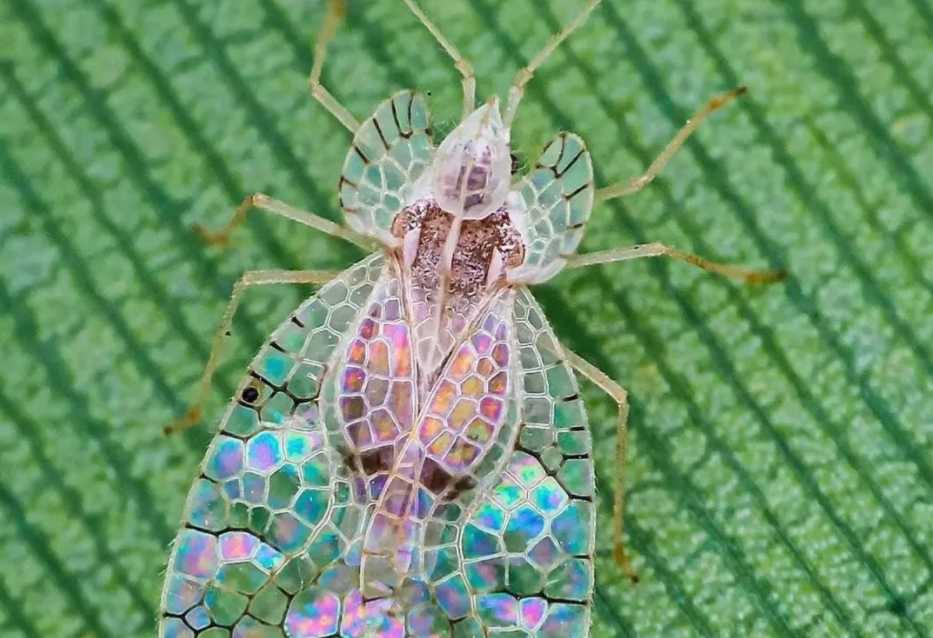
The Lace Bug: Nature's Living Stained Glass MasterpieceThe Lace Bug: Nature's Living Stained Glass MasterpieceIn the realm of tiny arthropods, lace bugs (family Tingidae) stand out as living works of art, their bodies resembling intricate stained glass windows crafted from iridescent, lace-like exoskeletons. These minuscule insects, typically measuring 2–7 mm, adorn leaves in tropical and temperate regions, their translucent wings and thoraces patterned with geometric grids, spikes, and ornate reticulations that shimmer in the light.
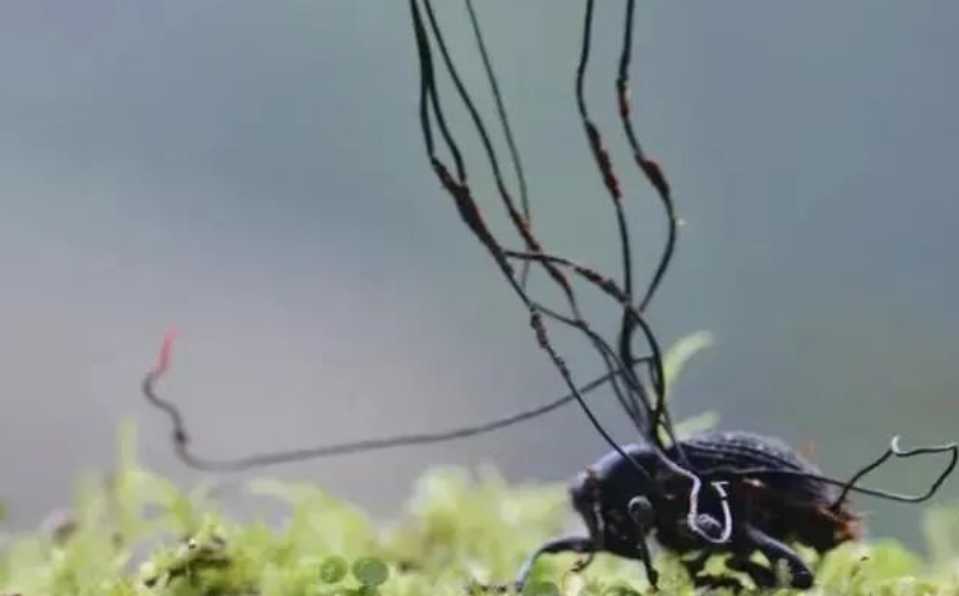
When a beetle is infected by the cordyceps fungus, the following process occurs:When a beetle is infected by the cordyceps fungus, the following process occurs:Spore attachment and invasion: The spores of the cordyceps fungus adhere to the beetle's body and germinate. The fungal filaments then penetrate the beetle's exoskeleton and enter its body.
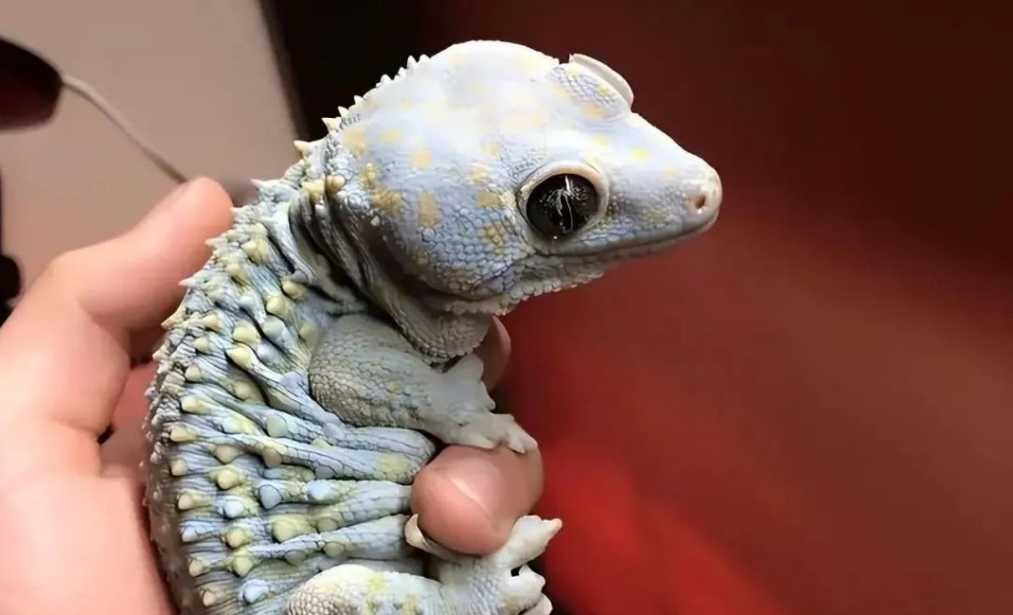
Aggressive Tokay Geckos: A Closer Look at Their Biting AbilitiesAggressive Tokay Geckos: A Closer Look at Their Biting AbilitiesTokay geckos are known for their aggressive nature and powerful bites. These reptiles, native to Southeast Asia, have sharp teeth that are large enough to pierce human skin. Their bites can cause significant pain and discomfort, and may even lead to infection if not treated properly.
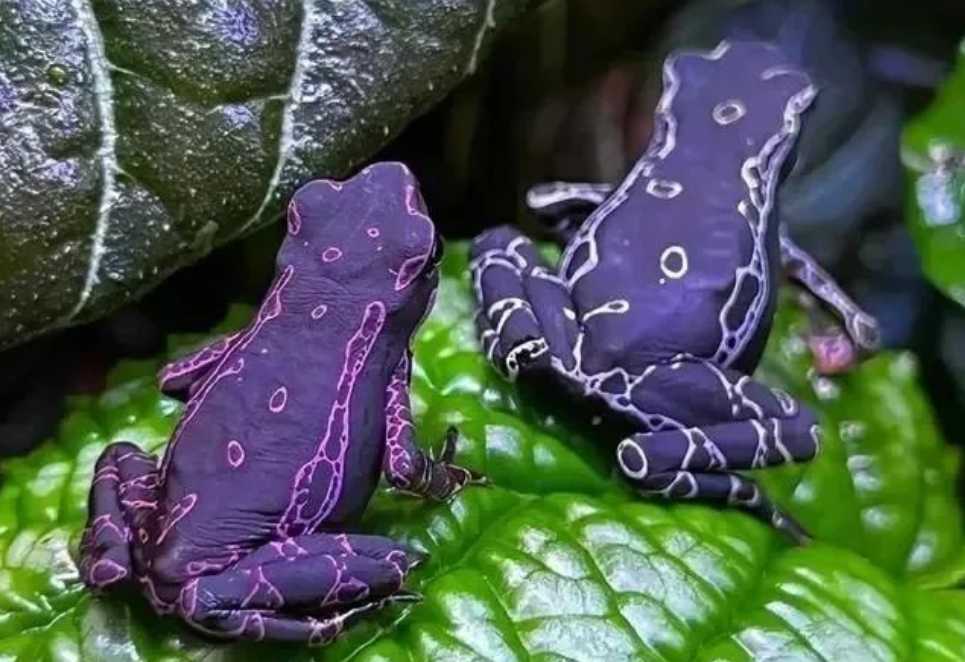
The Enigmatic Purple Harlequin Frog: A Rare Gem of the Amphibian WorldThe Enigmatic Purple Harlequin Frog: A Rare Gem of the Amphibian WorldDeep within the cloud forests of Central and South America lurks a creature that defies expectations with its vibrant hue and peculiar appearance: the purple harlequin frog. This critically endangered amphibian, characterized by its rich violet coloration interspersed with black and yellow patterns, stands out as both a biological wonder and a symbol of the urgent need for conservation.
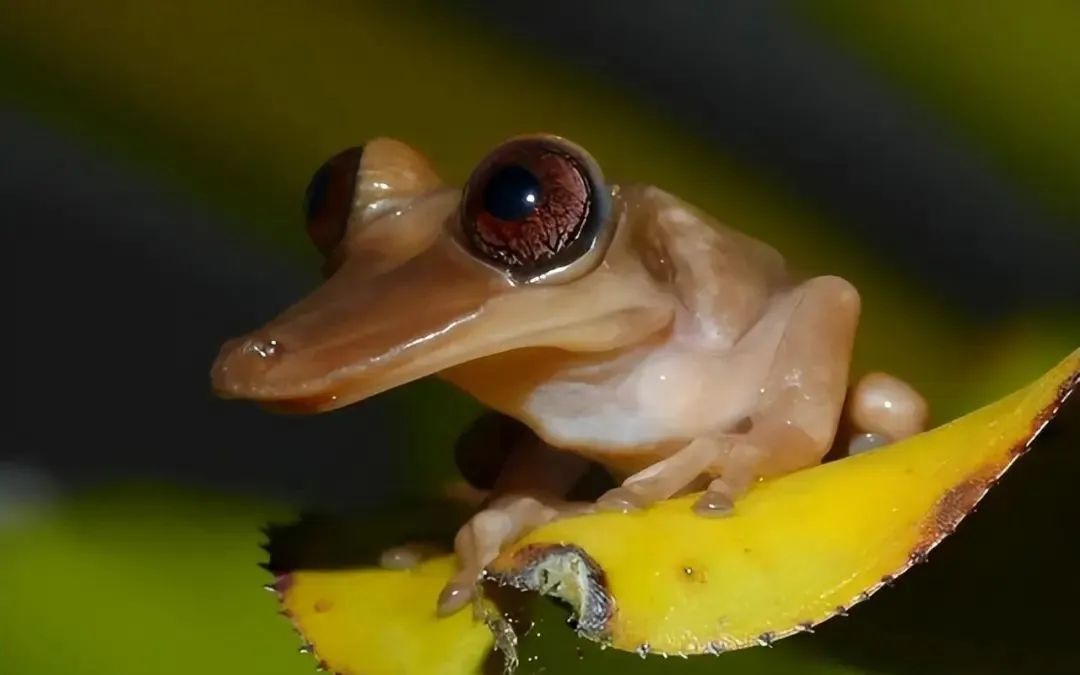
The Duck-Billed Tree Frog: Nature's Quirky Amphibian MarvelThe Duck-Billed Tree Frog: Nature's Quirky Amphibian MarvelDeep in the rainforests of Central and South America, a peculiar amphibian with a bill-like snout has captivated herpetologists: the duck-billed tree frog (Hyla labialis). This arboreal species, named for its flattened, downward-curving snout that resembles a duck’s bill, showcases nature’s whimsical approach to adaptation, blending functionality with an unforgettable appearance.
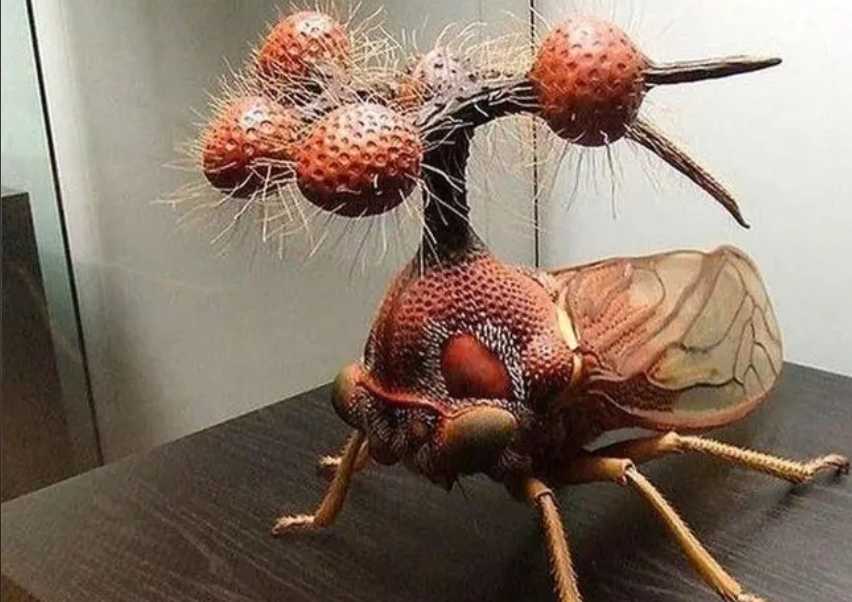
The Brazilian Four-Tubercled Treehopper: Nature's Bizarre 'Helicopter' InsectThe Brazilian Four-Tubercled Treehopper: Nature's Bizarre 'Helicopter' InsectDeep in Brazil’s rainforests, a tiny insect has evolved an otherworldly appearance: the four-tubercled treehopper (Bocydium globulare), whose head is crowned with bulbous, hairy projections resembling a miniature helicopter. This remarkable bug, part of the family Membracidae, showcases nature’s most whimsical adaptation, blending survival strategy with an almost sci-fi aesthetic.
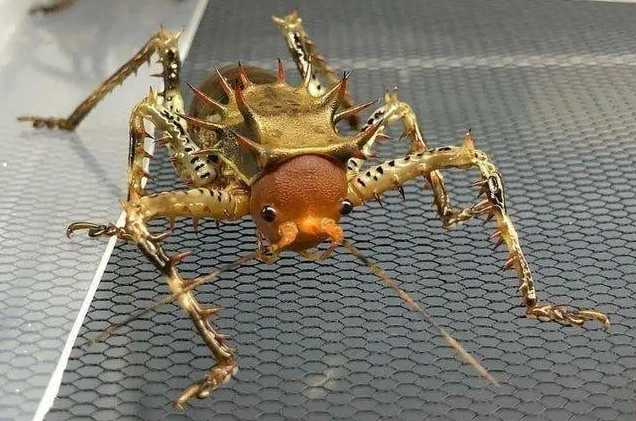
The Cameroon Armored Tree Cricket: Nature’s Golden Warrior InsectThe Cameroon Armored Tree Cricket: Nature’s Golden Warrior InsectIn the dense forests of Cameroon, an insect emerges that resembles a tiny ant clad in golden armor: the Cameroon armored tree cricket (Acanthoplus discoidalis). This remarkable orthopteran, part of the family Tettigoniidae, showcases a striking exoskeleton of iridescent gold and bronze, combined with spiky projections that give it the appearance of a miniature warrior ready for battle.
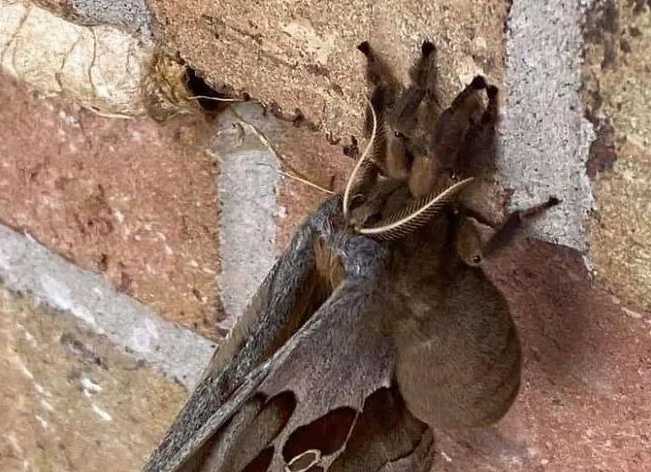
The Polyphemus Moth: A Winged 'Wolf Spider' That Strikes FearThe Polyphemus Moth: A Winged 'Wolf Spider' That Strikes FearThe Polyphemus moth (Antheraea polyphemus), one of North America’s largest silk moths, has earned an eerie reputation for its appearance—some say it resembles a wolf spider with wings, a comparison that sends shivers down the spines of those unaccustomed to its imposing size and fuzzy texture. With a wingspan of up to 15 cm, this lepidopteran blends delicate wing patterns with a robust, hairy body, creating an uncanny hybrid of beauty and intimidation.
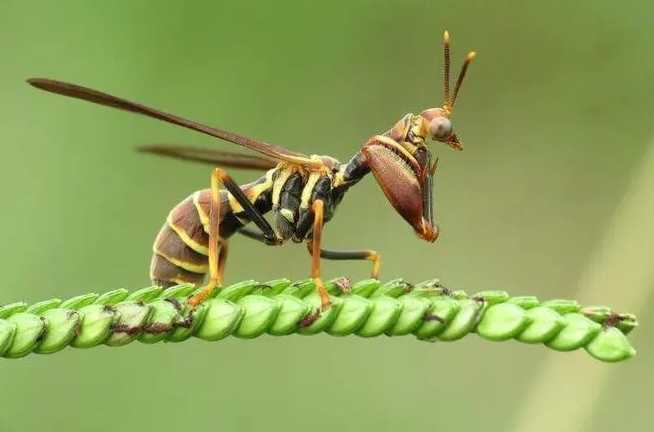
The Wasp Mantisfly: A Hybrid Predator That's Neither Mantis Nor WaspThe Wasp Mantisfly: A Hybrid Predator That's Neither Mantis Nor WaspIn the tropical and subtropical regions of the world, the wasp mantisfly (Climaciella brunnea) perplexes observers with its split identity: the front half resembles a praying mantis, while the rear mimics a wasp. This insect, part of the family Mantispidae, is a master of evolutionary mimicry, blending features of two fearsome species to create a creature that defies easy classification.
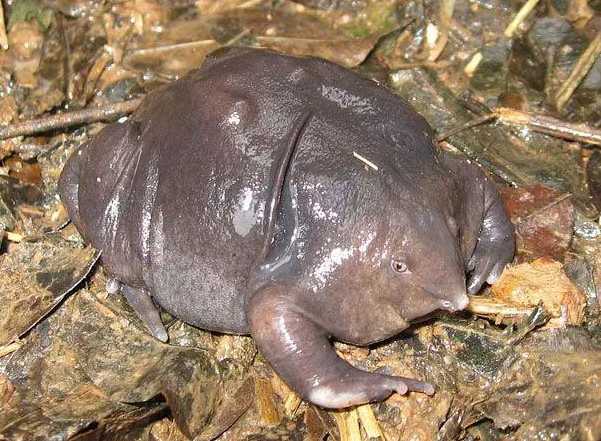
Strange - looking Indian Purple Frog with a 'Cherry - like Mouth'Strange - looking Indian Purple Frog with a 'Cherry - like Mouth'The Indian purple frog, a unique amphibian, has recently attracted attention. With its distinctive appearance, it stands out among other frog species. It has a plump, purple - colored body and a small, pointed mouth that resembles a cherry, which gives it a rather endearing look.
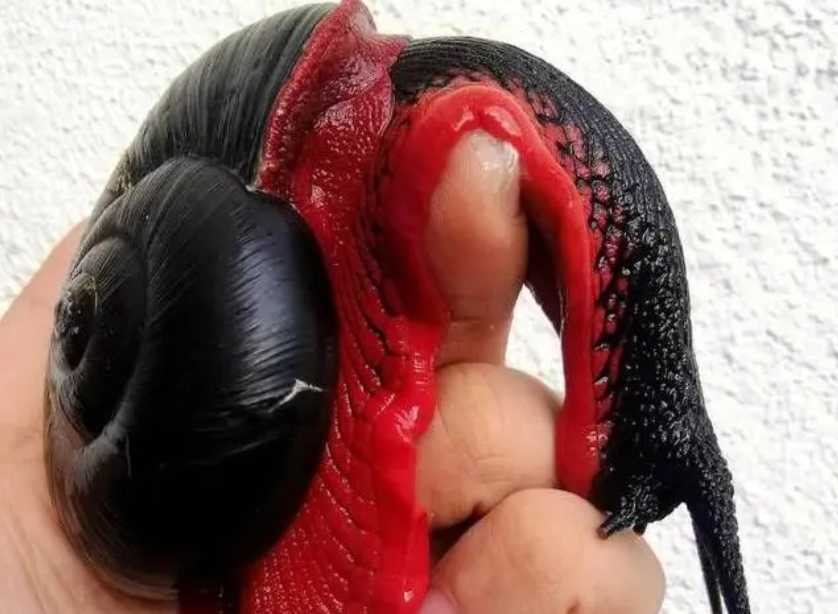
The Fire Snail: A Vividly Colored Giant Endemic to the Malay PeninsulaThe Fire Snail: A Vividly Colored Giant Endemic to the Malay PeninsulaNative to the rainforests of the Malay Peninsula, the fire snail (Scalyfoot snail, Chrysomallon squamiferum) astonishes with its striking hue and imposing size, standing out as one of nature’s most vibrant gastropods. Unlike ordinary snails, this endemic species boasts a shell dyed in intense shades of scarlet, orange, and deep burgundy, resembling a smoldering ember—a coloration that has captivated biologists and nature enthusiasts alike.