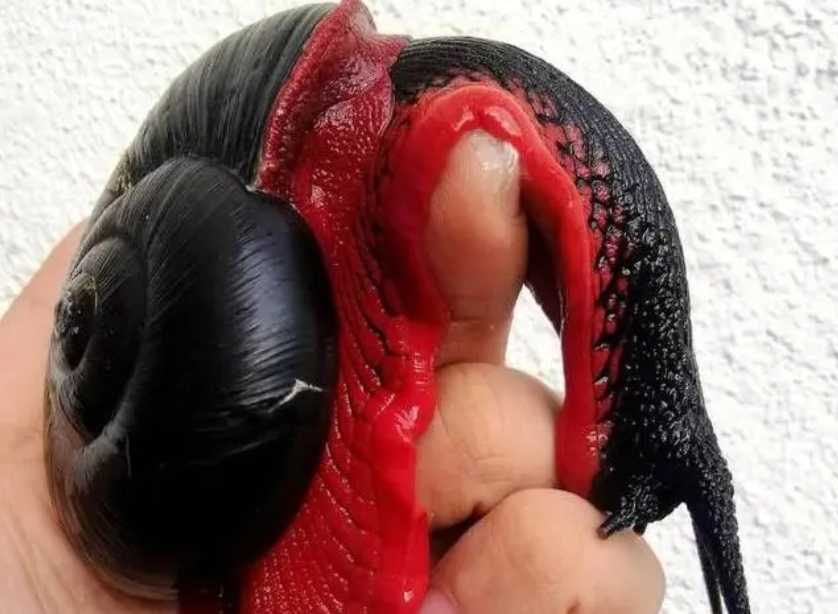
The Fire Snail: A Vividly Colored Giant Endemic to the Malay PeninsulaThe Fire Snail: A Vividly Colored Giant Endemic to the Malay Peninsula
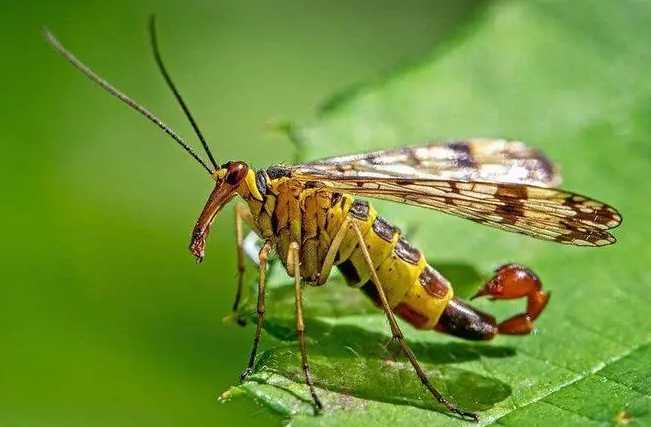
Scorpionflies: The Insects with a Deceptive 'Scorpion Tail'Scorpionflies: The Insects with a Deceptive 'Scorpion Tail'
The Bizarre Hallucigenia: Once Earth’s Most Abundant AnimalThe Bizarre Hallucigenia: Once Earth’s Most Abundant Animal
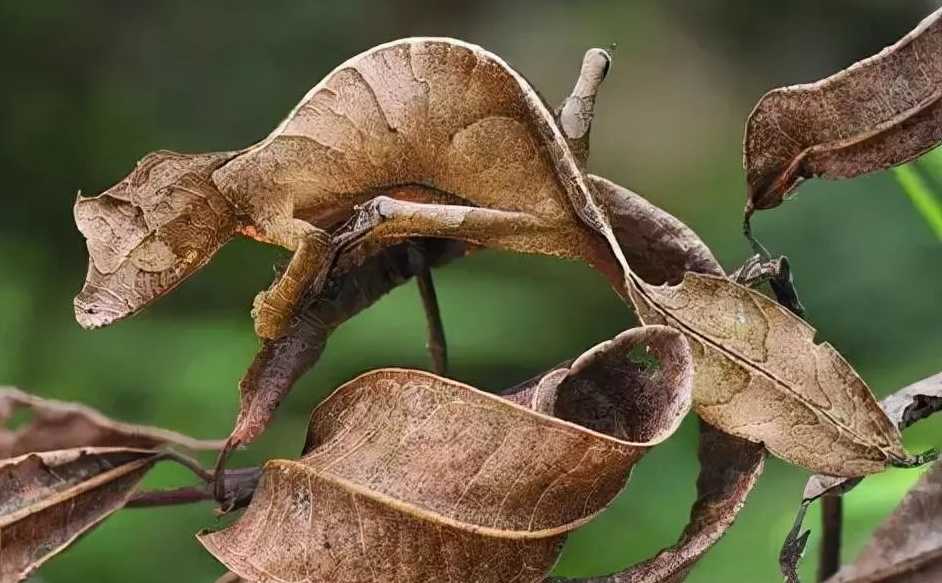
The Satanic Leaf-Tailed Gecko: A Master of Camouflage Named for Its Dead-Leaf TailThe Satanic Leaf-Tailed Gecko: A Master of Camouflage Named for Its Dead-Leaf Tail
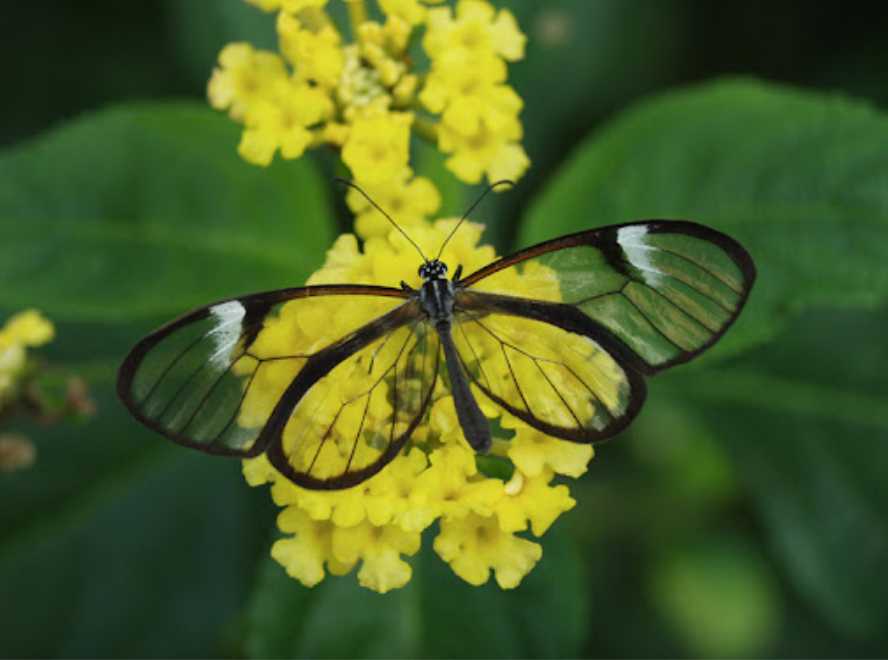
The Glasswing Butterfly: Nature’s Transparent Wonder Hunted for Its Elusive BeautyThe Glasswing Butterfly: Nature’s Transparent Wonder Hunted for Its Elusive BeautyScientifically named Greta oto, the glasswing butterfly belongs to the family Nymphalidae, subfamily Danainae, tribe Ithomiini, and subtribe Gretae. Renowned for its ethereal, translucent wings, this Central and South American species has evolved a survival strategy that paradoxically draws human attention—turning its natural defense against predators into a curse.
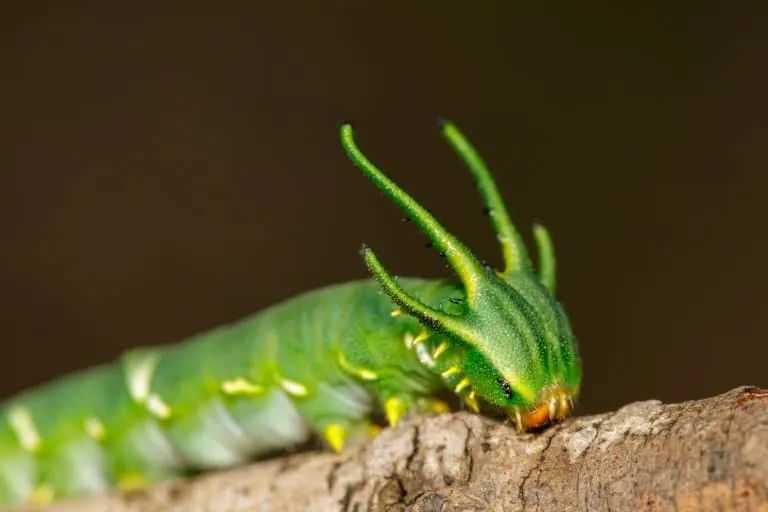
The Dragon Head Caterpillar: Nature’s Dramatic Mimic with a Widespread SurpriseThe Dragon Head Caterpillar: Nature’s Dramatic Mimic with a Widespread SurpriseRenowned for its horned "head capsule"—a specialized thoracic segment that resembles a dragon’s face—the dragon head caterpillar may look otherworldly, but it thrives across North America and Eurasia. Belonging to the sphinx moth family (Sphingidae), this larva uses its striking appearance as a masterclass in predator deterrence, proving that dramatic adaptations often evolve in common species.
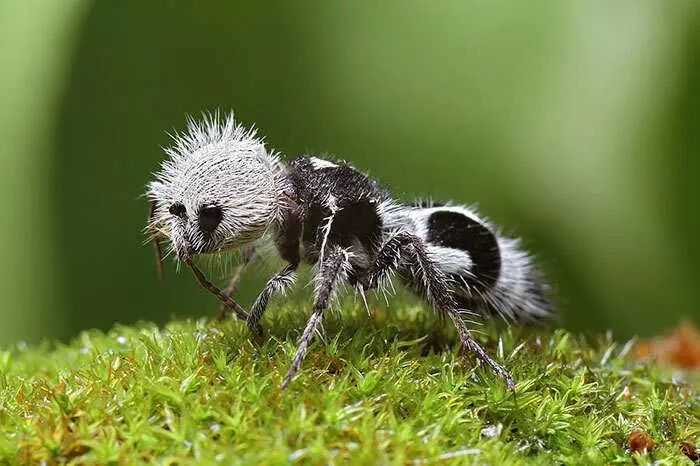
The Panda Ant: Deceptive Black-and-White 'Ant' That's Actually a Wingless WaspThe Panda Ant: Deceptive Black-and-White 'Ant' That's Actually a Wingless WaspDespite its name and ant-like appearance, the panda ant (Myrmecopsis sp.) is a wingless wasp belonging to the family Mutillidae. Found in arid regions of Chile and parts of Argentina, this striking insect has captivated entomologists with its black-and-white coloration—a pattern that belies its true identity and hides a painful secret.
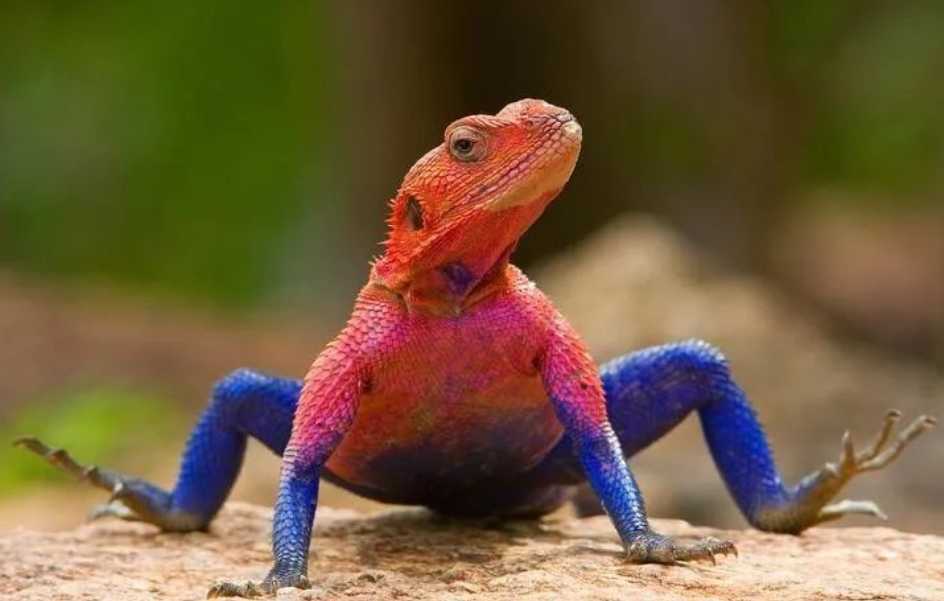
The Mwanza Flat-headed Iguana: Nature’s Real-Life 'Spiderman' with Iconic Red-Blue ColorationThe Mwanza Flat-headed Iguana: Nature’s Real-Life 'Spiderman' with Iconic Red-Blue ColorationResembling a creature straight from a comic book, the Mwanza flat-headed iguana (Agama mwanzae) has earned global attention for its striking red and blue coloration—an uncanny resemblance to Spider-Man. Native to eastern Africa (not South America, despite common misconceptions), this lizard thrives in rocky habitats from Tanzania to Kenya, using its vibrant hues for both survival and social signaling.
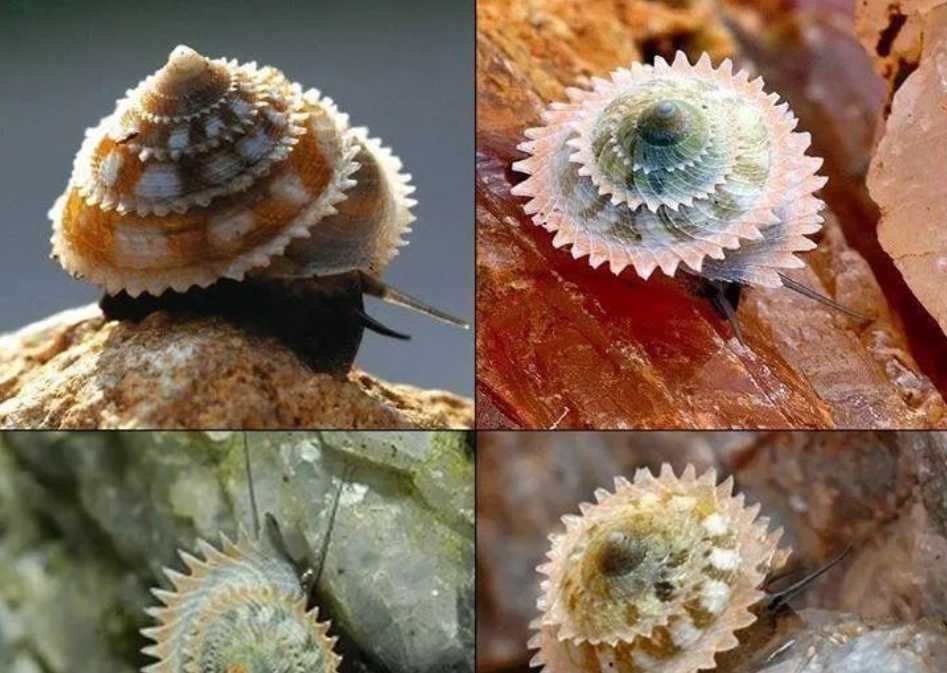
Cuba’s Iconic Star-Wheeled Saw Snail: A Serrated Marvel Unique to Earth’s EcosystemsCuba’s Iconic Star-Wheeled Saw Snail: A Serrated Marvel Unique to Earth’s EcosystemsNative to Cuba’s limestone-rich regions, the star-wheeled saw snail (Priotrochatella stellata) stands as a testament to nature’s evolutionary artistry. This critically endangered gastropod, endemic to the Caribbean island, is instantly recognizable by its geometrically serrated shell—unmatched by any other snail species. Discovered in the mid-19th century, this 12–15 mm mollusk thrives in humid forests despite mounting threats.
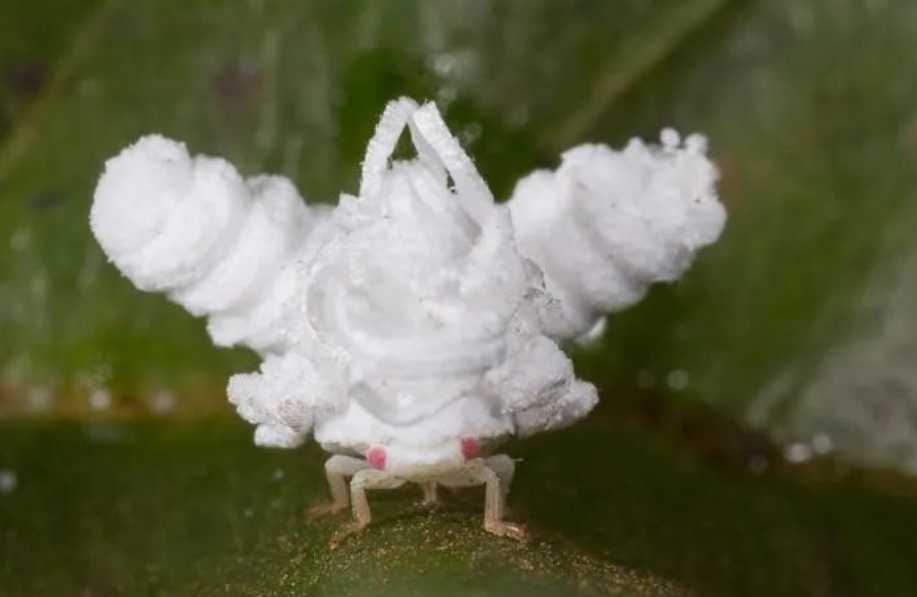
Ecuador’s 'Popcorn Bug': Flying Planthopper Nymphs Defy Predators with Waxy CamouflageEcuador’s 'Popcorn Bug': Flying Planthopper Nymphs Defy Predators with Waxy CamouflageDeep in Ecuador’s cloud forests, a tiny insect nicknamed the "popcorn bug" has captivated scientists with its uncanny resemblance to a flying kernel of popcorn. The nymph stage of a Fulgoridae planthopper, it secretes a fluffy waxy coating that transforms it into a living mimic of bird droppings or spider cocoons—while flitting through the air like a speck of popped corn. Discovered in the Andean foothills, this insect’s survival strategy showcases nature’s most whimsical defenses.
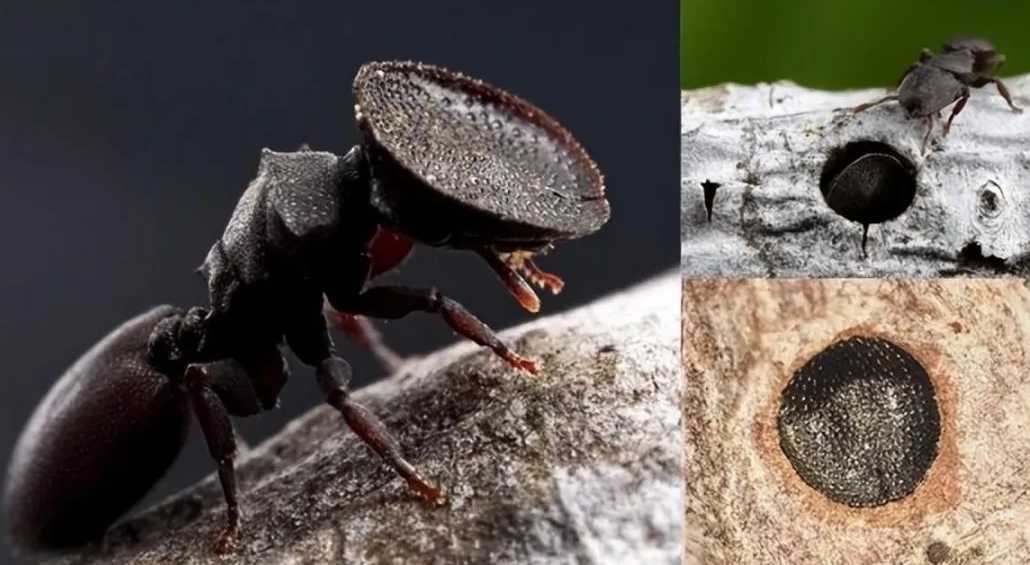
The Helmeted Turtle Ant: America’s Living Shield with a Disc - Shaped HeadThe Helmeted Turtle Ant: America’s Living Shield with a Disc - Shaped HeadNative to the tropical forests of the Americas, the helmeted turtle ant (Cephalotes varians) is renowned for its flattened, disc - like head that resembles a natural shield. A member of the turtle ant genus, this species has evolved an extraordinary defense mechanism: when threatened, worker ants plug their nest entrances with their armored heads, acting as living barricades to fend off intruders.