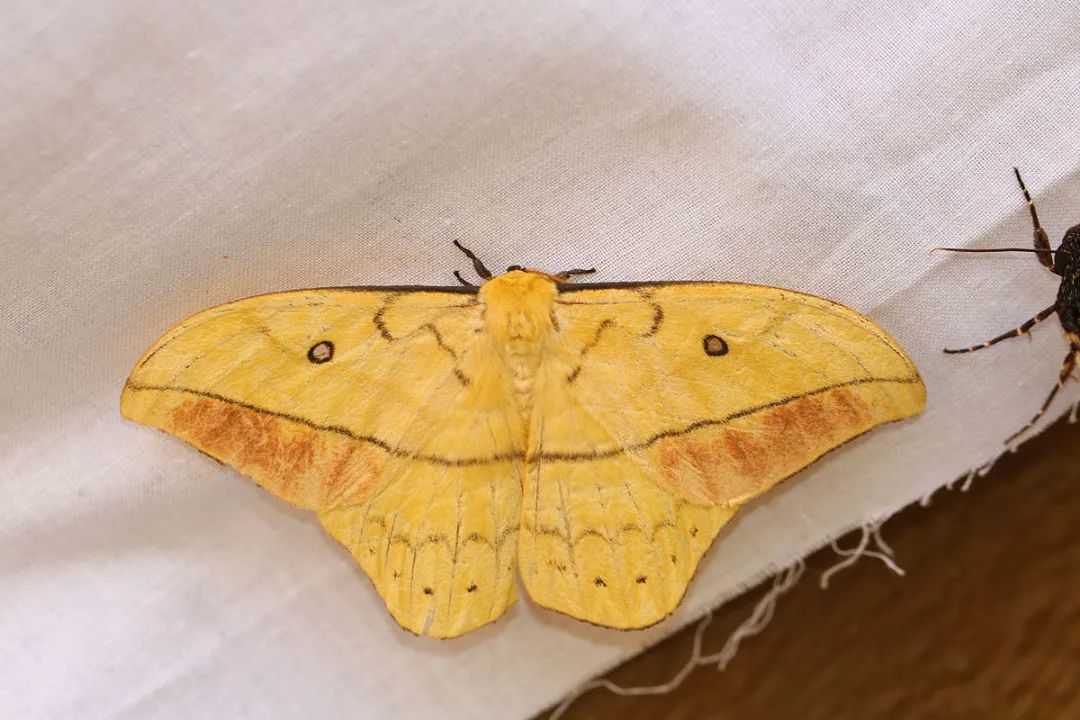
Lepidoptera: The Winged Wonders Shaping Ecosystems and Cultural ImaginationLepidoptera: The Winged Wonders Shaping Ecosystems and Cultural Imagination
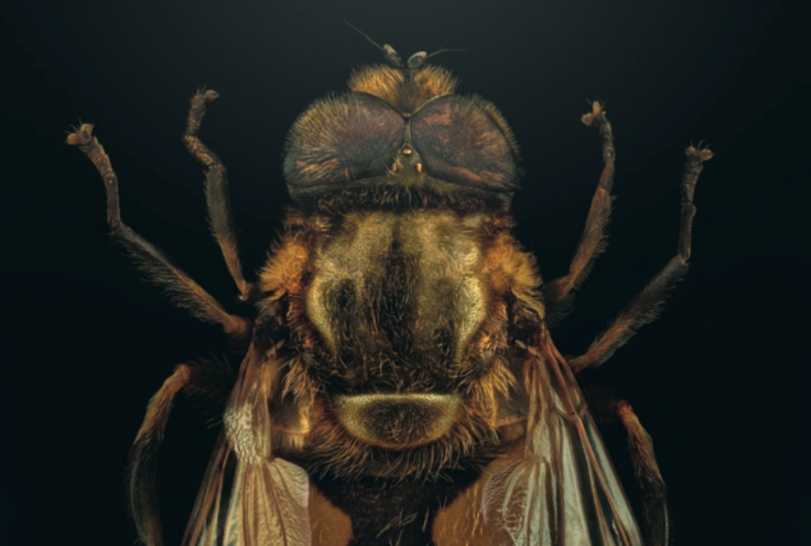
The Mysterious Decline of Blera fallax in North AmericaThe Mysterious Decline of Blera fallax in North America
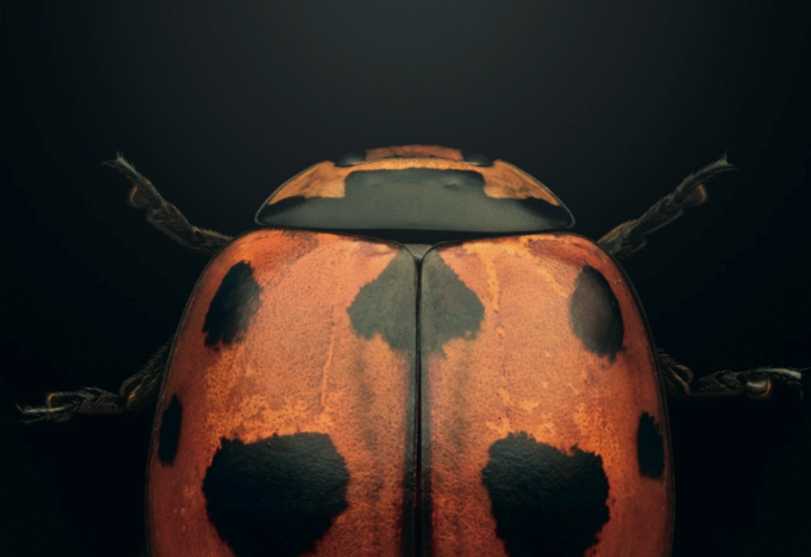
The Mysterious Disappearance of the Nine-Spotted LadybugThe Mysterious Disappearance of the Nine-Spotted Ladybug
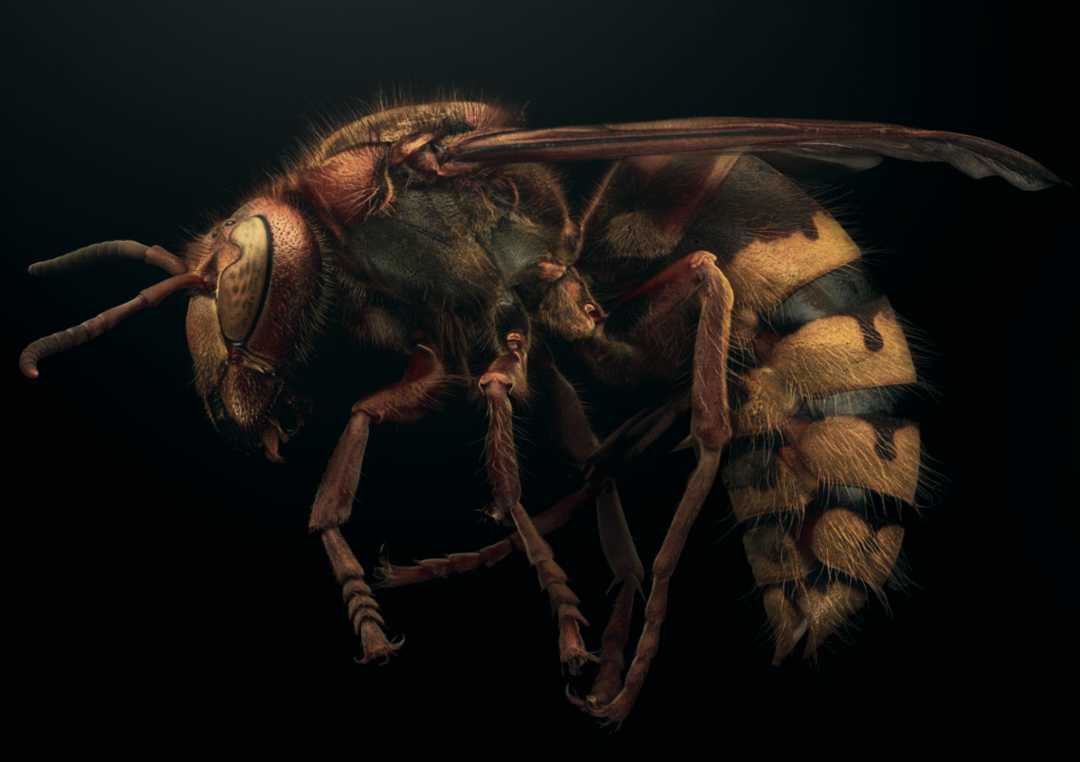
The Yellow - Bordered Hornet: A Wasp of Contrasting FortunesThe Yellow - Bordered Hornet: A Wasp of Contrasting Fortunes
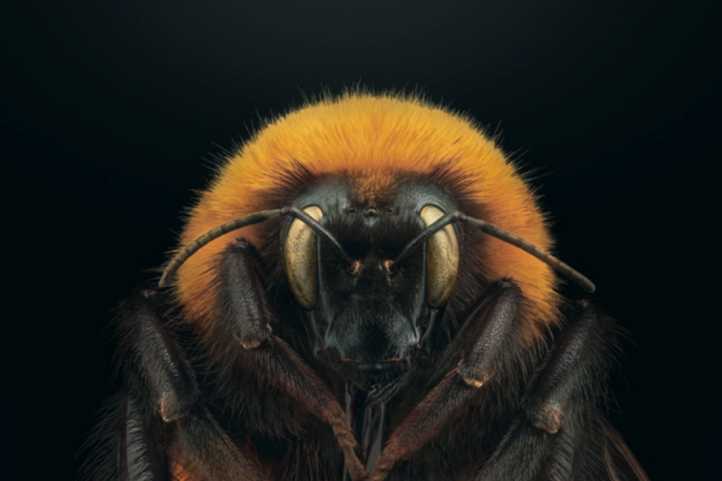
The Giant Bumblebee: Bombus dahlbomiiThe Giant Bumblebee: Bombus dahlbomiiBombus dahlbomii, often referred to as the "flying mouse", is one of the largest bumblebees in the world. It is the only native bumblebee species in southern South America, occupying a unique ecological niche.
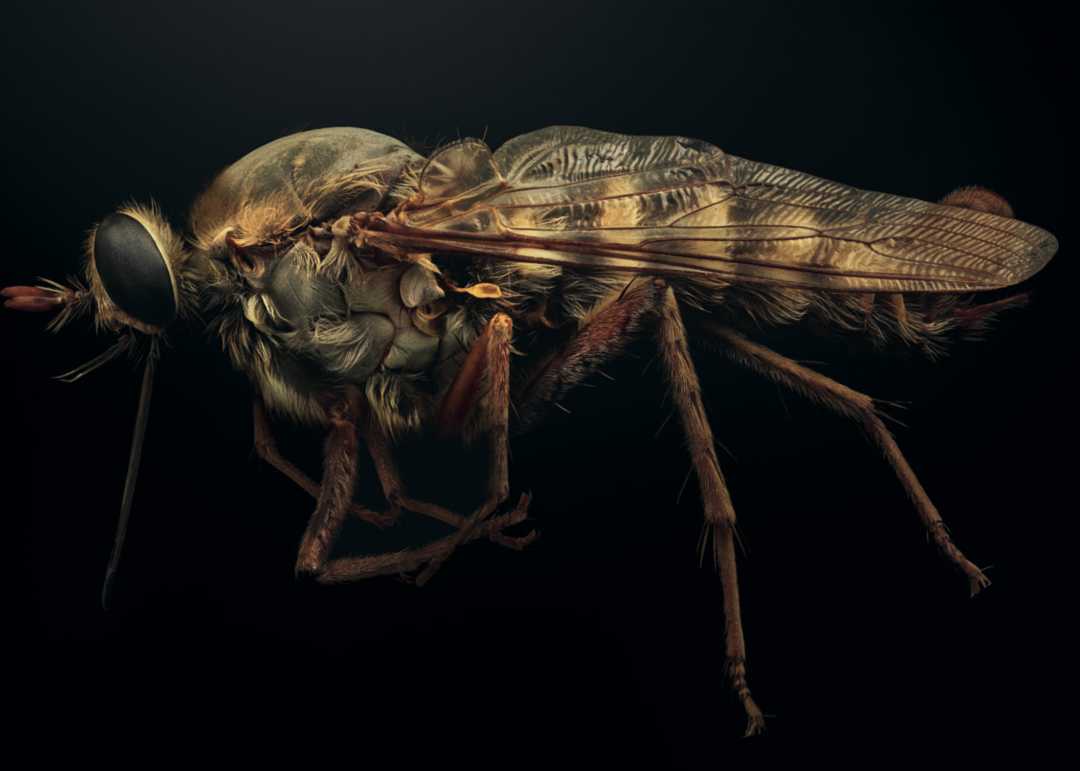
The Banded Dark Fishfly: Nigronia fasciataThe Banded Dark Fishfly: Nigronia fasciataThe banded dark fishfly, scientifically known as Nigronia fasciata, is a member of the family Corydalidae within the order Megaloptera. Here is a detailed account:
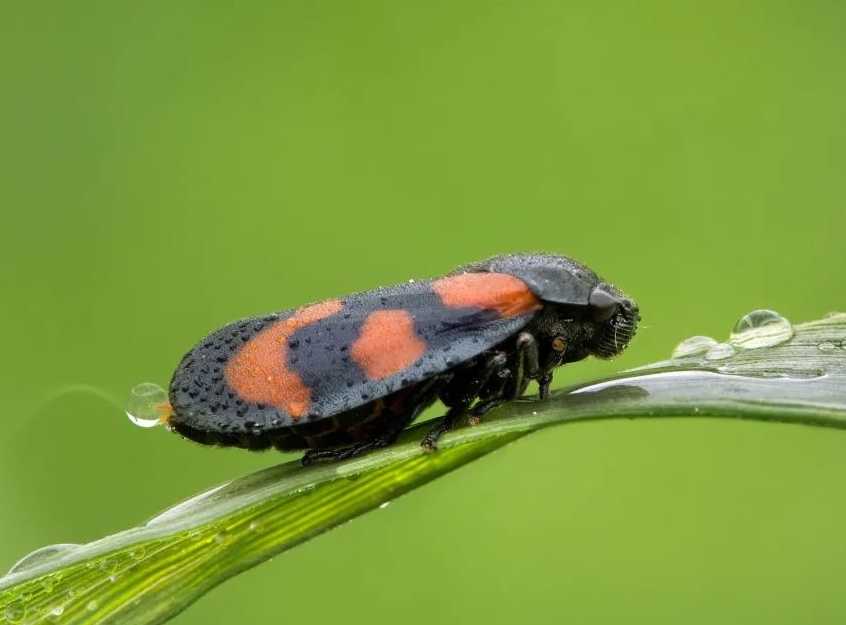
Spittlebugs: Nature's Mighty Jumpers and Foam - Nest BuildersSpittlebugs: Nature's Mighty Jumpers and Foam - Nest BuildersSpittlebugs, remarkable for their athletic leaping abilities, rank among the strongest jumping insects on the planet. These tiny arthropods, belonging to the family Cercopidae, blend plant - feeding habits with a unique parental strategy, making them a fascinating subject in entomology.
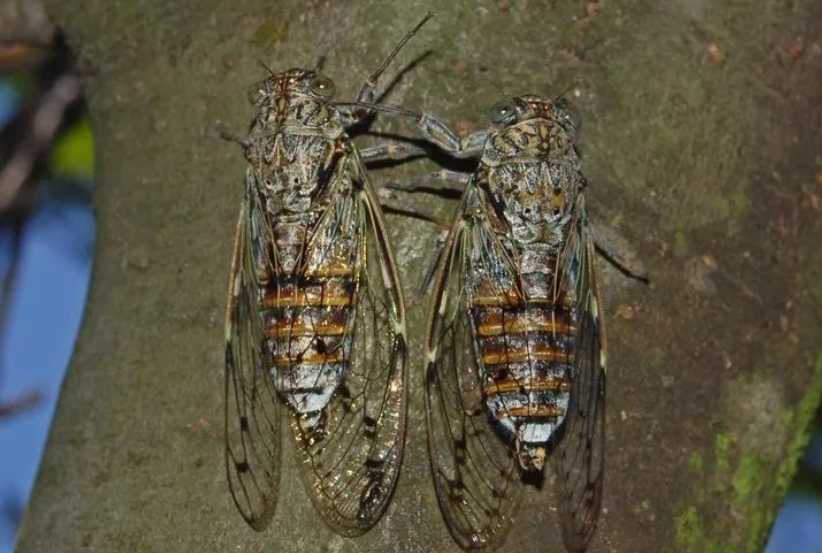
Cicadas: The Resonant Insects of Temperate to Tropical ClimesCicadas: The Resonant Insects of Temperate to Tropical ClimesCicadas, iconic insects inhabiting temperate to tropical regions worldwide, are renowned for their deafening calls—and often reviled for the noise that earns them a reputation as bothersome pests. These arthropods, belonging to the family Cicadidae, blend distinctive physical traits with a life cycle that spans years underground before their brief, noisy emergence.
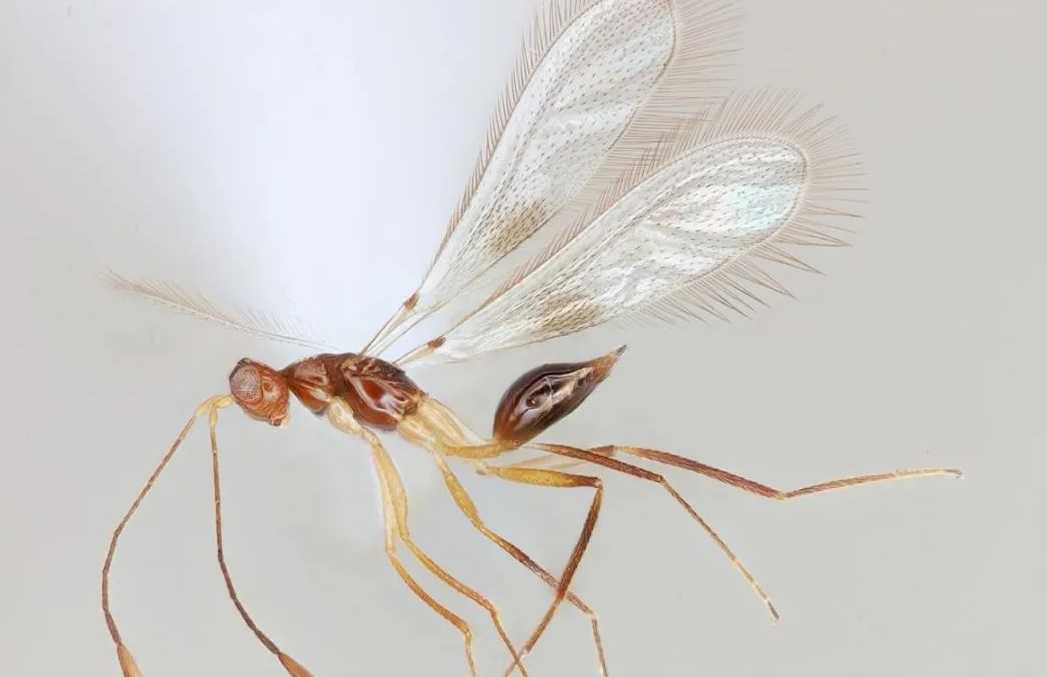
Fairyflies: The World's Tiniest Insects with a Mighty Role in Pest ControlFairyflies: The World's Tiniest Insects with a Mighty Role in Pest ControlFairyflies, belonging to the family Mymaridae, hold the title of some of the smallest insects on Earth, measuring a mere 0.2 millimeters in length. These minuscule flyers, smaller than the eye can easily perceive, have evolved an extraordinary lifestyle as parasitic wasps, specializing in a unique ecological niche that benefits both nature and agriculture.
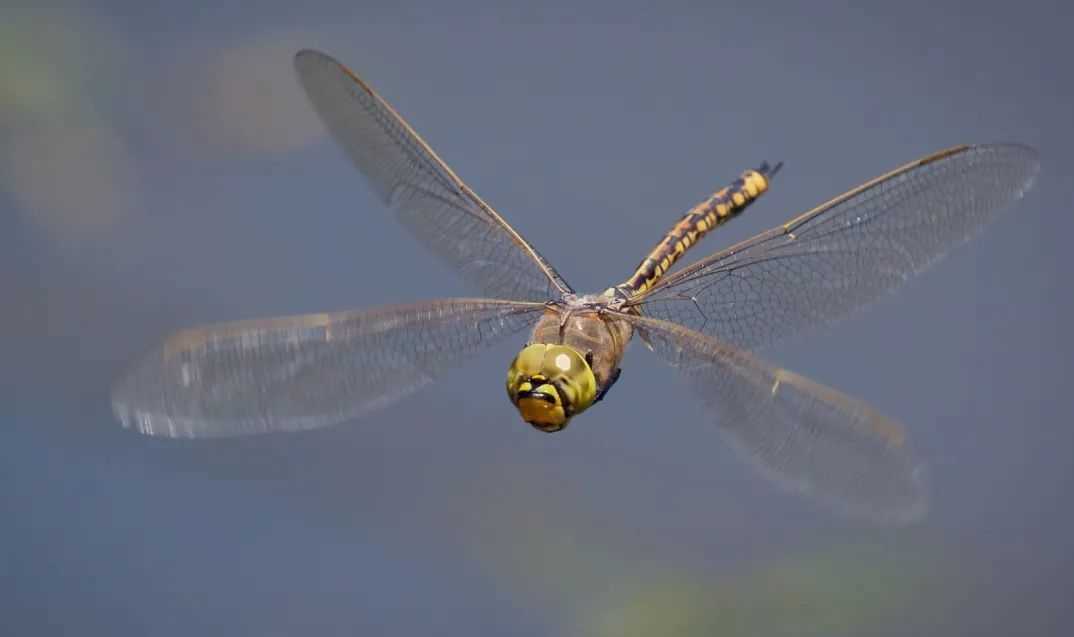
Australian Dragonfly: The Speedy Giant of the Insect WorldAustralian Dragonfly: The Speedy Giant of the Insect WorldThe Australian dragonfly (Austrophlebia costalis), renowned as one of the fastest insects on Earth, boasts a breathtaking short - distance sprint speed of up to 58 kilometers per hour. As the largest among the 5,000+ dragonfly species, this majestic insect stretches up to 12 centimeters in length, blending imposing size with unparalleled aerial agility.
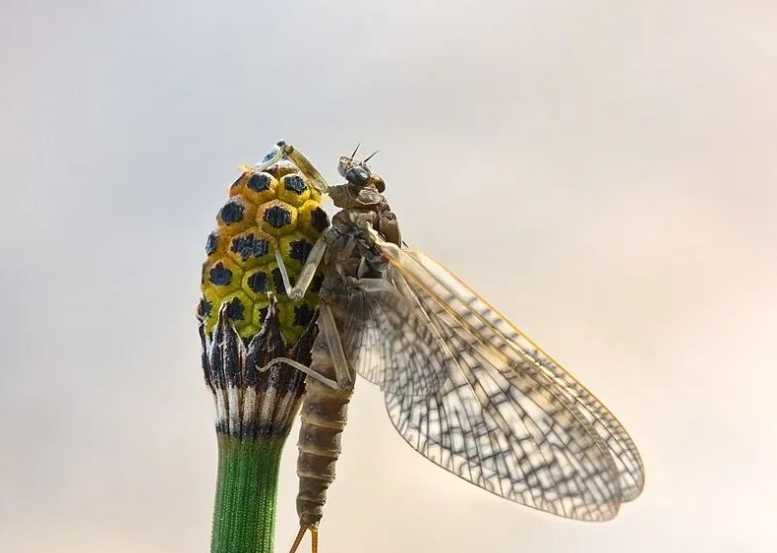
Mayflies: Nature's Ephemeral Wonders with a One - Day LegacyMayflies: Nature's Ephemeral Wonders with a One - Day LegacyMayflies, renowned as the insects with the shortest adult lifespan, live for just a single day, a fleeting existence that has captivated scientists and poets alike. These ancient winged creatures, belonging to the order Ephemeroptera, are among the most primitive flying insects, retaining evolutionary traits that hark back to prehistoric times.
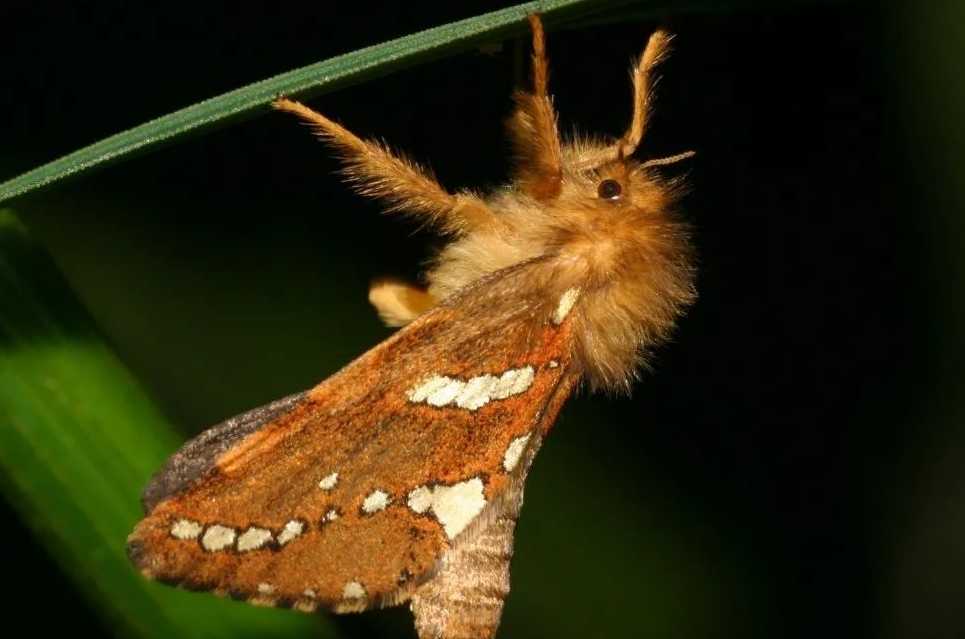
Bat Moths: A Diverse and Prolific Insect GroupBat Moths: A Diverse and Prolific Insect GroupBat moths belong to the genus Hepialus in the family Hepialidae. They are a group of insects with remarkable reproductive capabilities. A female bat moth can lay more than 2,900 eggs, which is quite prolific among insects.
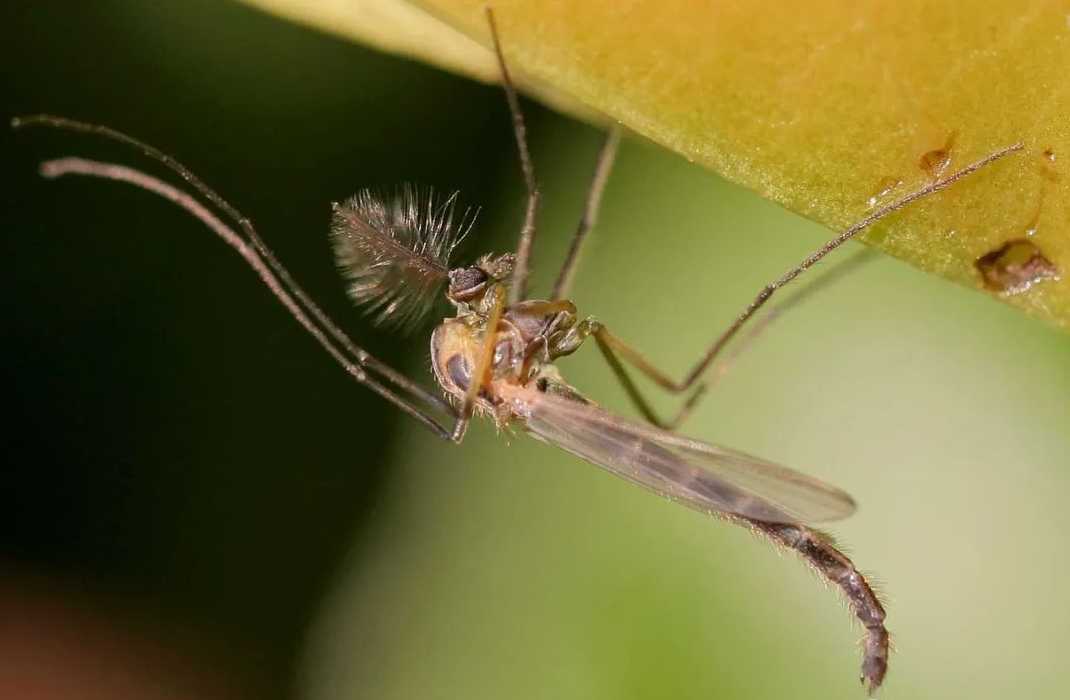
Chironomids: The High - Speed Wing Beaters of Aquatic EcosystemsChironomids: The High - Speed Wing Beaters of Aquatic EcosystemsChironomids, commonly known as non - biting midges, rank among nature’s most astonishing wing beaters, with estimates showing they can flap their wings up to 63,000 times per minute. This incredible frequency, almost too rapid for the human eye to track, highlights their unique adaptation to aquatic environments. Yet their physiological resilience is even more remarkable: when the wing tips are truncated and they’re placed in a warm environment of 99°F (约 37.2°C), their wing beats can surge to a staggering 130,000 times per minute, a testament to their muscular and neural efficiency.
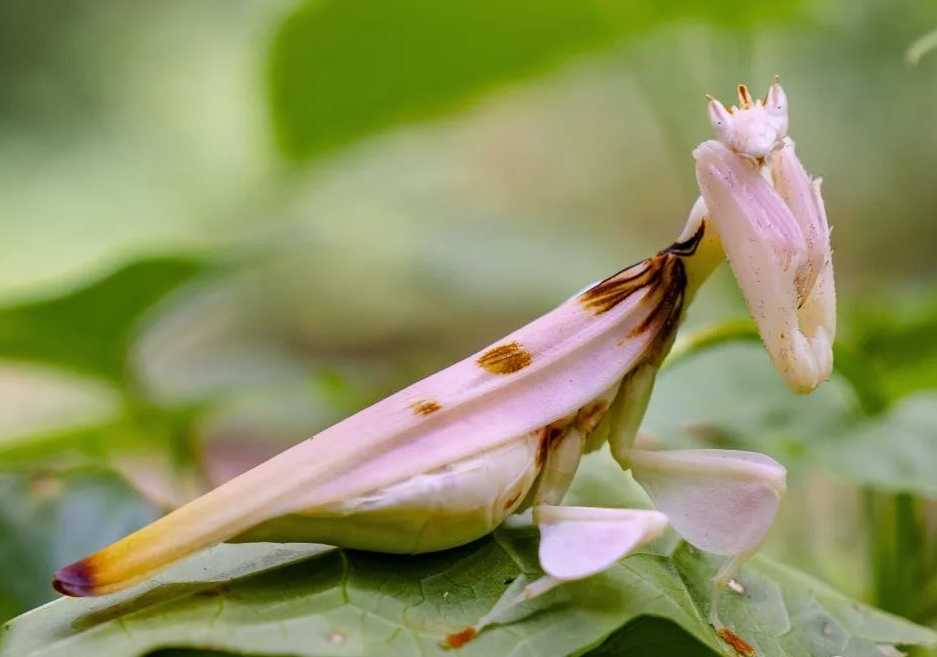
Orchid Mantis: Nature's Perfect Floral Mimic with Extreme Sexual DimorphismOrchid Mantis: Nature's Perfect Floral Mimic with Extreme Sexual DimorphismThe orchid mantis (Hymenopus coronatus) stands as a marvel of evolutionary adaptation, renowned for its uncanny ability to mimic orchids—an illusion so precise it deceives both prey and observers. This species exemplifies extreme sexual dimorphism, with adult females reaching 6–7 centimeters in length, while males measure a mere 2.5 centimeters. This size disparity is matched by striking differences in appearance, making them one of the most visually distinct insect species.
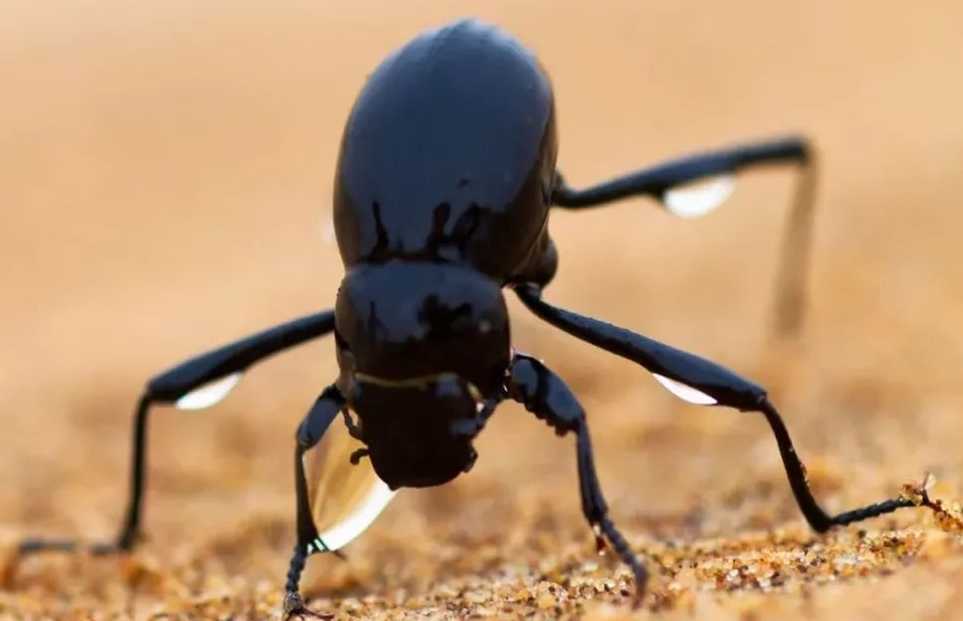
The Namib Desert Beetle (Stenocara gracilipes): Nature's Master of Fog HarvestingThe Namib Desert Beetle (Stenocara gracilipes): Nature's Master of Fog HarvestingThe Namib Desert beetle, Stenocara gracilipes, stands as a testament to evolutionary adaptation in one of Earth’s harshest environments. This coleopteran insect, endemic to the Namib Desert of southwestern Africa, has evolved a remarkable survival strategy: harvesting fog droplets through its uniquely textured elytra, a trait that has inspired groundbreaking biomimetic water-collection technologies.
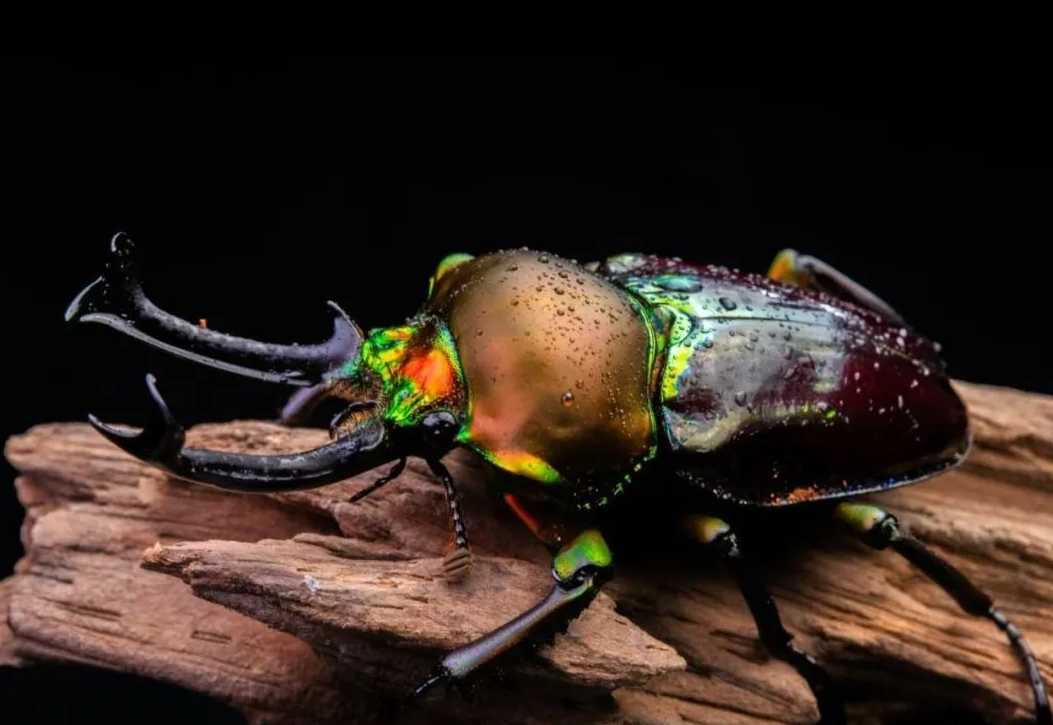
The Rainbow Stag Beetle (Phalacrognathus muelleri): Nature's Living JewelThe Rainbow Stag Beetle (Phalacrognathus muelleri): Nature's Living JewelThe rainbow stag beetle, Phalacrognathus muelleri, is a biological marvel renowned for its iridescent metallic hues that rival precious gems. Native to the forests of Australia and New Guinea, this coleopteran species has captivated entomologists and pet enthusiasts alike with its structural coloration—a phenomenon produced by microscopic wing surface ridges that refract light into a spectrum of blues, purples, golds, and greens.
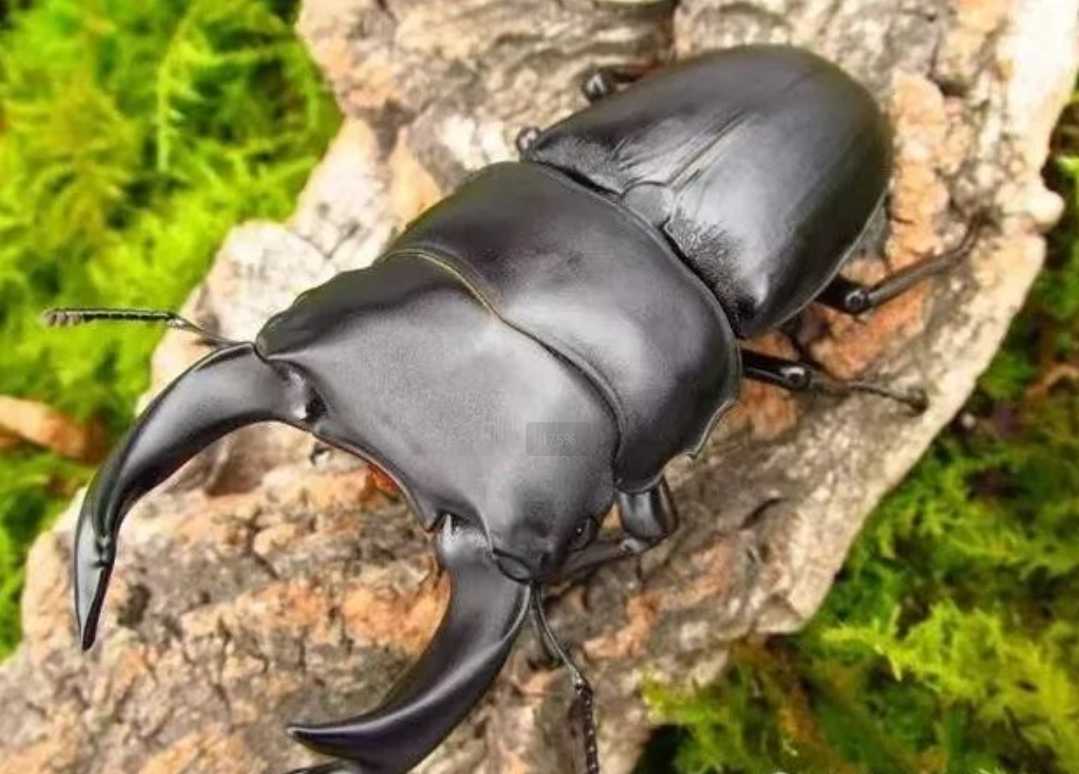
The Stag Beetle (Lucanidae): Nature's Antlered Warriors and Silent EngineersThe Stag Beetle (Lucanidae): Nature's Antlered Warriors and Silent EngineersStag beetles, members of the family Lucanidae, are iconic insects celebrated for their dramatic sexual dimorphism—nowhere more evident than in the antler-like mandibles of males, which can exceed body length in some species. With around 1,200 known species globally—50 of which are endemic to Taiwan—these beetles blend martial prowess with ecological utility, thriving in forest ecosystems where their larvae feed on decaying wood.
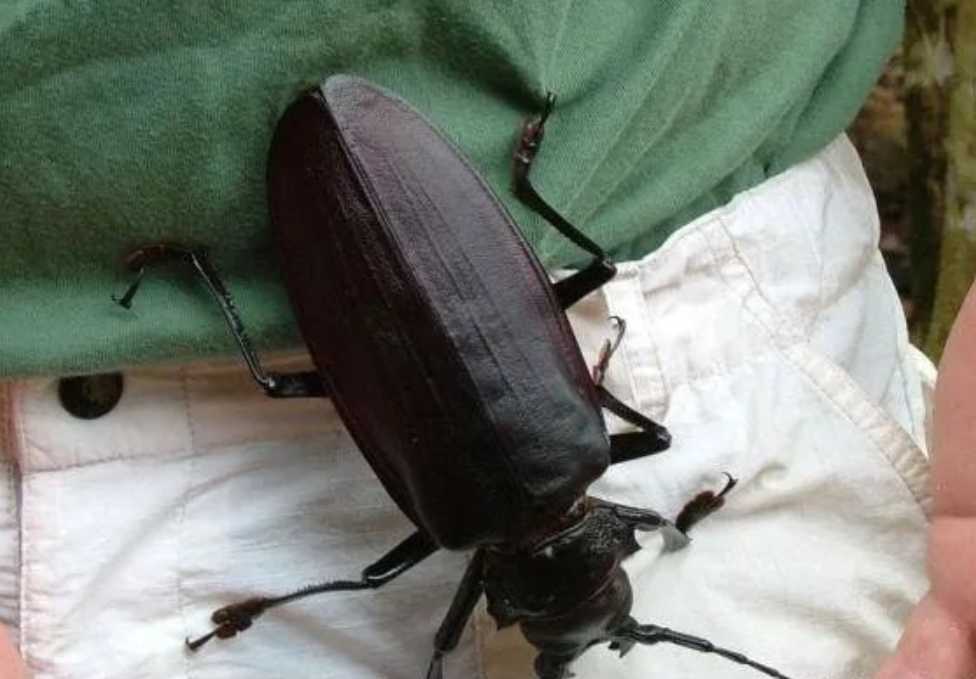
The Titan Beetle (Titanus giganteus): The Rainforest's Colossal Wood - CrusherThe Titan Beetle (Titanus giganteus): The Rainforest's Colossal Wood - CrusherThe Titan beetle, Titanus giganteus, stands as one of the largest beetles on Earth, commanding awe with its imposing size and formidable jaws. Native to the rainforests of South America, this insect can reach lengths of 16.5 centimeters, with antennae that extend even further, making it a true giant of the insect world.
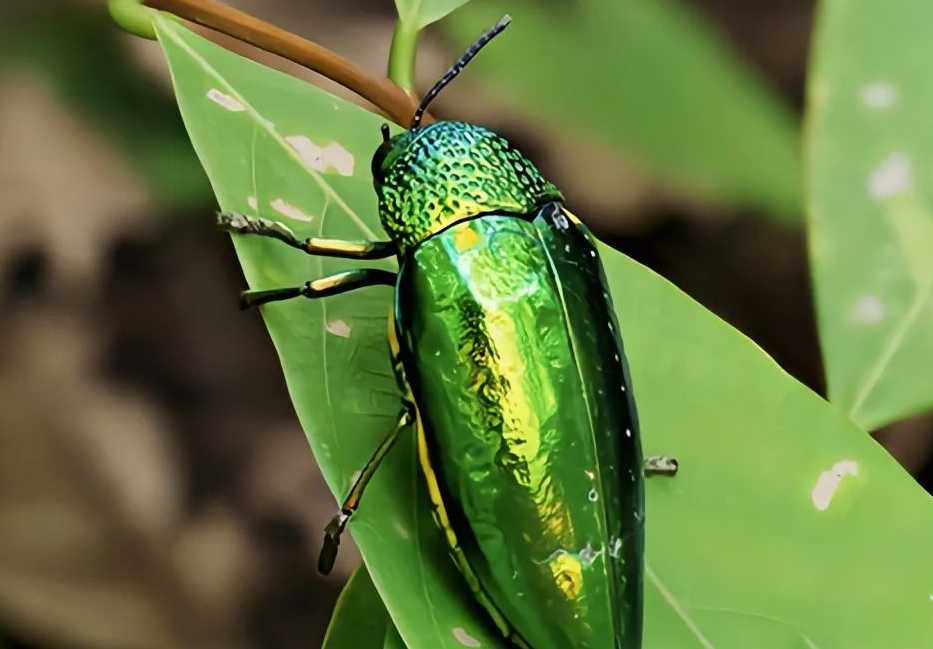
The Jewel Beetles (Buprestidae): Nature's Iridescent GemsThe Jewel Beetles (Buprestidae): Nature's Iridescent GemsJewel beetles, members of the family Buprestidae, are renowned for their exoskeletons that shimmer with metallic hues resembling emeralds, sapphires, and gold. This optical marvel arises from structural coloration—microscopic layers on their elytra that refract light, creating vibrant, fade - resistant iridescence. Found across Asia, Africa, and the Americas, these beetles have captivated humans for millennia with their gem - like appearance.
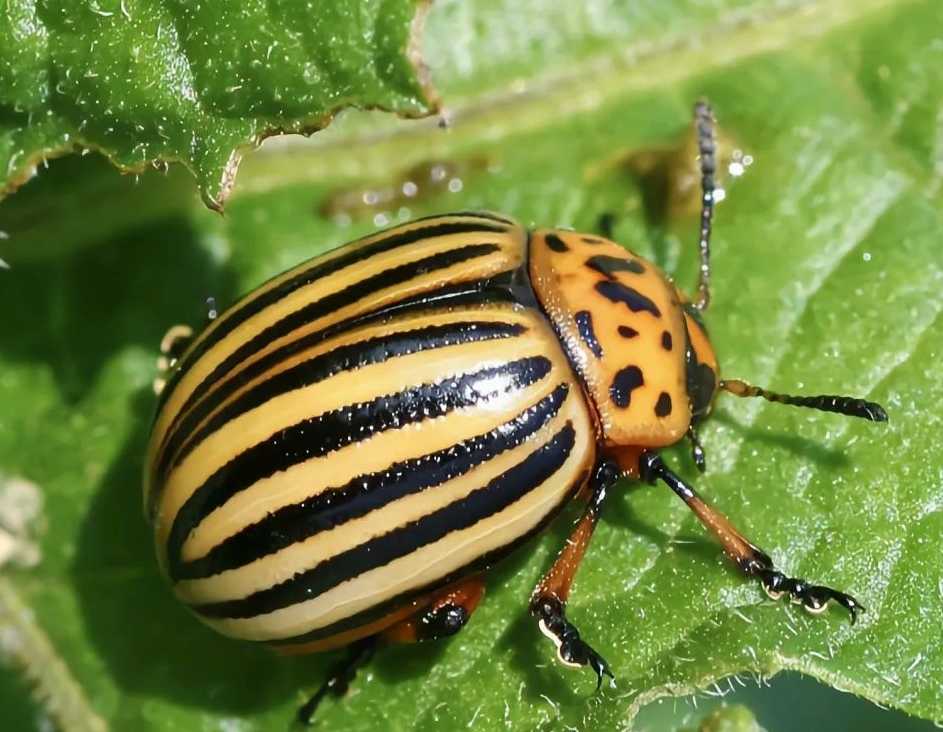
The Colorado Potato Beetle (Leptinotarsa decemlineata): A Persistent Agricultural MenaceThe Colorado Potato Beetle (Leptinotarsa decemlineata): A Persistent Agricultural MenaceThe Colorado potato beetle, scientifically known as Leptinotarsa decemlineata, is a notorious insect pest recognized by its distinctive yellow-orange elytra striped with ten black longitudinal lines. Native to North America, this beetle has earned global infamy for its voracious appetite for potato leaves and its remarkable ability to develop resistance to pesticides, making it a top quarantine target worldwide.